
Plants
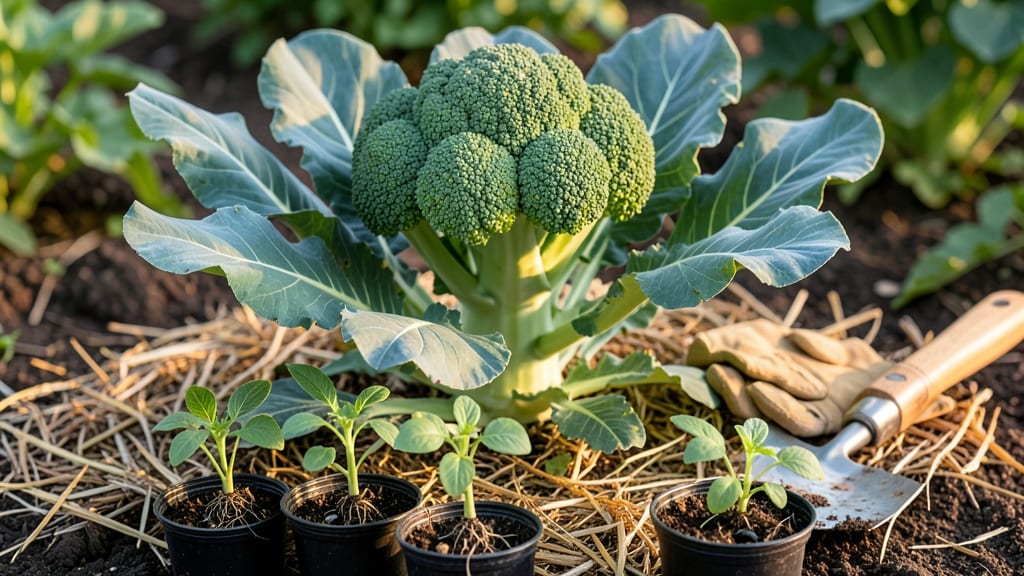
Timing your broccoli 🥦 planting in Kansas isn't just about the calendar—it's about beating the frost and dodging summer heat to get those perfect heads. Plant too early, and a late freeze will turn your seedlings into sad, wilted memories.
Too late, and your plants might bolt before you even see a harvest.
I’ve learned the hard way that Kansas’ 5b-7a zones demand precision. The key is planting 4-6 weeks before your last frost—typically by mid-April—or switching to late summer for a fall crop.
But here’s the catch: even the best-laid plans can go wrong if you don’t account for soil temperature or heat waves.
In this guide, I’ll break down the exact windows for your zone, plus pro tips to extend your harvest and avoid common mistakes. Whether you’re a first-time gardener or a seasoned pro, these strategies will help you grow broccoli that’s crisp, flavorful, and ready to pick—without the guesswork.
Ready to turn your Kansas garden into a broccoli powerhouse? Let’s get started with the foolproof planting schedule that works for your climate.
Kansas broccoli planting calendar by hardiness zone (5, 6, 7)
Kansas spans USDA hardiness zones 5b through 7a, meaning frost dates vary dramatically from north to south. For zone 5b, the average last frost arrives around April 22, while zone 7a gardeners can plant as early as March 20.
Understanding your specific zone ensures you plant broccoli at the perfect time for 60-90 days of growth before harvest.
Broccoli thrives in cool weather—both spring and fall plantings work well in Kansas. Spring plantings should happen 4-6 weeks before your last frost date, while fall plantings need 90-100 days before the first frost.
This timing prevents bolting (premature flowering) caused by summer heat or frost damage from early cold snaps.
Here’s how to align your planting schedule with Kansas’ three key hardiness zones, including soil temperature requirements and ideal transplant windows for maximum yield.
| Zone | Last Frost Date | First Frost Date | Spring Planting Window | Fall Planting Window | Soil Temp for Germination |
|---|---|---|---|---|---|
| Zone 5b | April 22 | October 15 | March 25 - April 15 | July 1 - August 15 | 45°F+ |
| Zone 6a | April 15 | October 22 | March 15 - April 5 | July 15 - August 25 | 45°F+ |
| Zone 7a | March 20 | November 1 | February 28 - March 15 | August 1 - September 10 | 50°F+ |
*Adjust dates 1-2 weeks earlier for southern Kansas or later for northern regions.
For zone 5b gardeners, start seeds indoors in early March to transplant outdoors by April 15. In zone 7a, you can even direct-sow seeds as early as February 28 if soil temperatures stay above 45°F.
Always test soil temperature with a soil thermometer—broccoli seeds won’t germinate below 40°F.
Fall plantings are critical in Kansas to avoid summer heat stress. Aim to transplant seedlings by July 15 for a September-October harvest. Use shade cloth if temperatures exceed 85°F to prevent bolting.
In zone 6a, you can push fall plantings slightly later—up to August 15—for a second harvest window.
Pro tip: Succession planting every 2 weeks in spring and 3 weeks in fall ensures a continuous harvest. For example, plant one batch on April 1, another on April 15, and a third on May 1 to stagger maturity and avoid gluts.
Kansas’ variable weather demands flexibility. Monitor local frost forecasts and adjust planting dates accordingly. If an unexpected late frost hits in May, protect young plants with row covers or move them to a sheltered microclimate like near a south-facing fence.
Remember: Broccoli loves cool weather but hates extremes. Aim for 50-75°F daytime temperatures during growth. If summer heat arrives early, opt for heat-tolerant varieties like 'Calabrese' or 'Packman' to improve success.
How to extend your Kansas broccoli harvest with succession planting
Succession planting is your secret weapon for a continuous broccoli harvest in Kansas. Instead of betting everything on one planting, this strategy lets you stagger crops every 2-3 weeks, ensuring fresh heads from spring through fall.
The key? Understanding your local frost dates and broccoli’s 60-90 day growth cycle to time each planting perfectly.
In Kansas, where summer heat can cause bolting (premature flowering), succession planting lets you avoid heat stress by spacing out plantings. Start with your first batch 4-6 weeks before the last frost (typically mid-March to early April), then add new seedlings every 2 weeks until early June.
For fall, begin transplants by July 15 and repeat every 3 weeks until mid-August.
Here’s how to maximize your harvest with proven timing intervals and planting spacing tips tailored to Kansas’ climate:
One common mistake Kansas gardeners make is planting too late in spring, which risks bolting. To avoid this, monitor weather forecasts and adjust your last spring planting to finish harvesting before June 15. For fall, prioritize early July transplants—they’ll mature just as summer cools down.
Pro tip: Use row covers for early spring or late fall plantings to extend your season by 2-3 weeks. These lightweight fabrics protect seedlings from frost and pests while allowing sunlight and water to pass through. Remove covers when heads form to prevent overheating.
With succession planting, you’ll enjoy fresh broccoli every 2-3 weeks from May through October—no more relying on a single harvest! Start small with 2-3 plantings to test your timing, then expand as you gain confidence. Your garden (and taste buds) will thank you.