
Plants
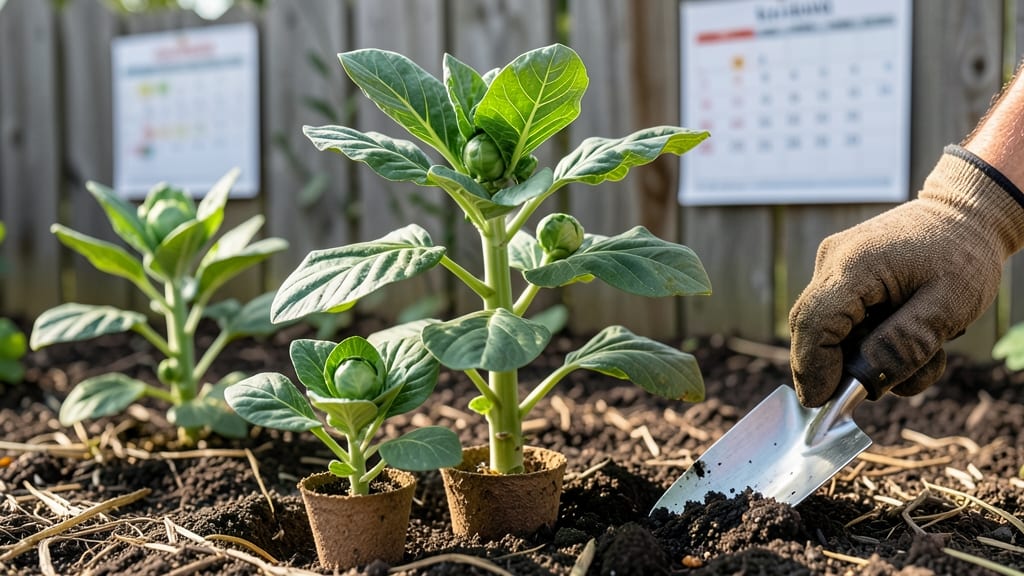
Planting Brussel sprouts 🥦 in Kansas at the wrong time means either struggling with frost damage or watching your harvest shrink before it even starts.
The key to success lies in those narrow windows between mid-March and mid-April for spring, or mid-July to mid-August for fall—timing that lets these cold-hardy plants mature just before the first frost hits.
Why does this matter? Because Kansas' USDA Zone 6a climate gives you only about 165 frost-free days, and Brussel sprouts need at least 90 days to reach harvest.
Get the timing right, and you'll enjoy a bounty of tender sprouts from October through December. Miss the window, and you're left with bitter-tasting or stunted plants.
I've grown these in Kansas gardens for years, and the difference between a great harvest and a disappointing one often comes down to one simple decision: when to put those seedlings in the ground.
The right variety, proper soil prep, and a little frost protection can turn a risky gamble into a reliable fall staple.
Let me show you exactly how to plant for Kansas' climate—including which varieties thrive here, how to protect your crop from late frosts, and the 3 biggest mistakes that ruin harvests every year. Ready to grow your best Brussel sprouts yet?
Best planting times for Brussel sprouts in Kansas (by variety & climate Zone)
Kansas gardeners know timing is everything, especially for cool-season crops like Brussel sprouts. With USDA Zones 5-7 across the state, your planting window depends on whether you're aiming for a spring harvest (rare) or the more common fall harvest.
Most Kansas growers focus on fall plantings, which mature just in time for crisp, flavorful sprouts before winter sets in.
For fall harvests, the sweet spot is planting mid-July to mid-August. This gives plants 90-120 days to mature before the first hard frost (typically mid-October in most of Kansas). If you're in Zone 5 (northwest Kansas), aim for the earlier end of this window to beat frost.
Spring plantings are riskier but possible in Zone 6-7 areas. Start seeds indoors 6-8 weeks before your last frost (around mid-February) and transplant outdoors mid-March to early April.
These plants will mature by late June to July, just as summer heat arrives—so expect smaller yields unless you provide shade.
Kansas' short growing season (about 165 frost-free days) means succession planting is key. For a continuous harvest, stagger plantings every 2-3 weeks from mid-July to early August. This ensures you have fresh sprouts from October through December, even as temperatures drop.
Here’s how to align your planting with Kansas’ climate zones and frost dates:
For direct sowing (skipping transplants), drop seeds ½ inch deep and 1 inch apart in rows 18 inches apart. Thin seedlings to 6 inches apart once they’re 3 inches tall. This spacing gives plants room to grow 2-3 feet tall and prevents crowding, which leads to disease.
If you’re in Zone 5 and want to push your harvest window, consider using row covers or a cold frame to extend the season by 2-3 weeks.
This is especially useful if you’re growing late-maturing varieties like 'Tonus' or 'Ruby Ball,' which need the extra time to develop flavorful sprouts.
Pro tip: Mark your calendar for September 15—this is when I start my final succession planting in Zone 6 to ensure a harvest before the first hard frost. Adjust this date by 1-2 weeks based on your local frost history.
One common mistake Kansas gardeners make is planting too late. If you miss the mid-August deadline, your sprouts won’t mature before frost, leaving you with small, bitter sprouts or no harvest at all. Plan ahead!
Best planting times for Brussel sprouts in Kansas (by variety & climate Zone)
Kansas gardeners have two prime windows to grow brussel sprouts: early spring and late summer. The key is avoiding late spring heat or early fall frosts, which can stunt growth or ruin flavor.
Since Kansas spans USDA Zones 5-7, timing varies slightly—northern areas have shorter seasons, while southern regions gain extra weeks.
For spring planting, aim for mid-March to mid-April (Zone 6a). Transplant seedlings after the last frost date (April 15 in most areas). Fall planting should start mid-July to mid-August to ensure sprouts mature before the first frost (October 15).
Early varieties like 'Long Island Improved' work best for fall harvests.
Here’s a quick reference for Kansas-specific planting windows:
| Planting Window | USDA Zone | Seed Start Date | Transplant Date | Harvest Window |
|---|---|---|---|---|
| Spring | 5-7 | Mid-March | April 15+ | October-December |
| Fall | 5-7 | Mid-July | August 15+ | October-November |
*Adjust dates 1-2 weeks earlier for Zone 5 or later for Zone 7.
If you’re in Zone 5 (northern Kansas), focus on early-maturing varieties like 'Ruby Ball' (85 days) to avoid early frosts. In Zone 7 (southern Kansas), you can push fall planting to early September for a second harvest. Always check your local frost dates—Kansas’ unpredictable weather demands flexibility!
For succession planting, sow seeds every 2-3 weeks in spring or fall to stagger harvests. This ensures a continuous supply of fresh sprouts from October through December. Just remember: Brussel sprouts need cool weather—they’ll bolt if exposed to temperatures above 80°F for too long.
Pro tip: Use row covers in early fall to protect sprouts from light frosts (28-32°F). This extends your harvest window by 2-3 weeks in Kansas’ unpredictable autumn. Just remove covers during the day to prevent overheating.