
Companion Plants
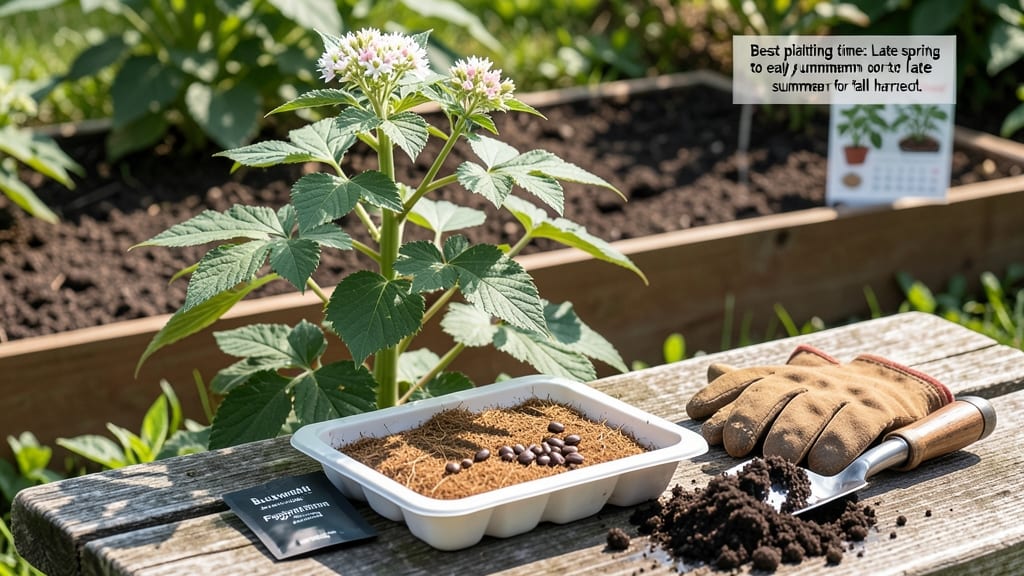
Planting buckwheat at the wrong time in Pennsylvania can turn your fast-growing crop into a flop—no matter how much care you put into it. This hardy annual 🌾 needs precise timing to avoid frost damage and maximize yields, whether you're growing it for grain, greens, or as a cover crop.
With Pennsylvania's 5b-7a climate zones, your planting window hinges on two key factors: soil temperature and frost dates. Skip the guesswork and plant when the ground reaches 60°F—that’s usually late April through early June for spring crops or August through early September for fall plantings.
Why does timing matter so much? Buckwheat germinates in just 5-7 days but needs 60-75 days to mature before frost hits. Plant too early, and you risk losing your crop to late frosts; too late, and you’ll miss the harvest window entirely.
In this guide, I’ll break down the exact months to plant buckwheat in PA, plus tips to adjust for your local microclimate—so you can enjoy a bountiful harvest without the stress.
Best planting months for buckwheat in Pennsylvania (with frost-free guarantees)
Pennsylvania’s USDA zones 5b-7a create two perfect windows for planting buckwheat: late spring and early fall. These timings align with soil temperatures of 50–60°F, which trigger fast germination.
Plant too early, and frost will damage tender seedlings; too late, and you’ll miss the 60–75-day harvest window before winter sets in.
For most of Pennsylvania, the last frost date falls between April 15–May 1, while the first frost arrives around October 15–November 1. This leaves a 150–200-day frost-free growing season, ideal for buckwheat’s quick growth cycle. Use these dates as your planting anchors.
In northern PA (zones 5b-6a), like Erie or Scranton, aim for May 1–June 1 for spring planting and August 15–September 1 for fall.
In southern PA (zones 6b-7a), such as Philadelphia or Pittsburgh, you can start as early as late April or extend fall planting until early September without frost risk.
Soil temperature is your best guide—use a soil thermometer to confirm it’s reached 60°F before sowing. Buckwheat seeds won’t germinate well below 50°F, so don’t rush into cold soil. If your soil is still chilly, wait a week or two for warmer conditions.
Buckwheat thrives in full sun (6–8 hours daily), so choose a south-facing plot with well-draining soil. Amend heavy clay with compost to improve aeration, as buckwheat hates soggy roots. A pH of 5.5–7.0 is ideal, though it’s adaptable to slightly acidic or alkaline soils.
Spring planting yields the most grain, while fall planting works well as a cover crop or for late-season greens. If you’re growing buckwheat for pollinators, a late summer planting (August) provides nectar just before winter.
| Planting Window | Soil Temp | Frost Risk | Best For |
|---|---|---|---|
| Late April–Early June | 50–60°F | Low (post-last frost) | Grain harvest, edible greens |
| August 15–September 1 | 55–65°F | None (before first frost) | Cover crop, pollinator support |
| June 15–July 15 | 60–75°F | None | Late greens, soil improvement |
If you’re planting in containers, start seeds indoors 4–6 weeks before your last frost date and transplant seedlings after soil warms. Container-grown buckwheat matures slightly faster due to better heat absorption, so adjust your harvest timeline accordingly.
For cover crop use, plant buckwheat 6–8 weeks before your first frost to allow time for root development and nitrogen fixation. A fall planting of Manchurian buckwheat (a cold-hardy variety) can even survive light frosts, making it ideal for late-season soil protection.
Always monitor your local weather forecasts in the weeks leading up to planting. A sudden cold snap can delay germination, so have a backup plan—like a row cover—ready if temperatures drop unexpectedly. With the right timing, buckwheat will reward you with fast growth and abundant yields! 🌾
How to time buckwheat planting for maximum yield (avoid these 3 mistakes)
Timing your buckwheat planting in Pennsylvania is all about avoiding three critical mistakes: planting too early (risking frost damage), too late (cutting harvest time), or ignoring soil temperature thresholds of 50–60°F for germination.
Buckwheat’s 60–90-day growth cycle means you must align planting with your region’s last frost dates—typically April 15–May 1—to ensure a full harvest before the first frost in mid-October.
For maximum yield, focus on two planting windows: late April–early June for a summer harvest or August–early September for a fall crop. These windows guarantee 60–75 days of growth before frost, avoiding the short harvest window that plagues gardeners who plant too late.
For example, planting in Pittsburgh (Zone 6a) by May 15 ensures harvest by late July, while Philadelphia (Zone 7a) gardeners can push planting to June 1 for an August harvest.
Here’s how to calculate your exact planting date: Subtract 60 days from your average first frost date (mid-October = August 15 cutoff for fall planting). Use a soil thermometer to confirm temperatures are above 50°F—buckwheat seeds won’t sprout in cooler soil.
Pro tip: Direct-sow seeds ½ inch deep, 1–2 inches apart, for faster germination than transplants.
⚠️ 3 Mistakes That Kill Buckwheat Yields
- Planting too early: Frost will blacken leaves and stunt growth. Wait until soil is 50°F+.
- Ignoring microclimates: Philadelphia’s urban heat island lets you plant 2 weeks later than rural PA.
- Skipping succession planting: For continuous harvests, sow new seeds every 2 weeks in summer.
Adjust your planting strategy based on buckwheat’s dual-purpose uses. As a cover crop, plant August–September to improve soil before winter. For grain or greens, prioritize May–June planting to avoid hot July temperatures, which can reduce seed quality.
In southern PA (Zones 7a–7b), you can even try a fall harvest by planting in late July—just monitor weather forecasts for early frosts.
Use local frost data as your guide: Check the Penn State Extension or NOAA frost maps for your county. For example, Erie (Zone 5b) has a shorter growing season, so plant by May 10 for a July harvest.
In contrast, Allentown (Zone 6b) allows planting until June 15 for an early September harvest. Always err on the side of earlier planting—buckwheat tolerates heat better than cold.
Finally, account for buckwheat’s fast growth by spacing plants 6–12 inches apart to prevent overcrowding. Thin seedlings to 4–6 inches apart once they’re 2–3 inches tall, using the thinnings as microgreens.
This simple step boosts airflow and sunlight penetration, reducing disease risk and maximizing your 60–75-day harvest window. With precise timing, you’ll enjoy abundant grain, greens, or soil improvement—without the stress of frost or poor yields.