
Plants
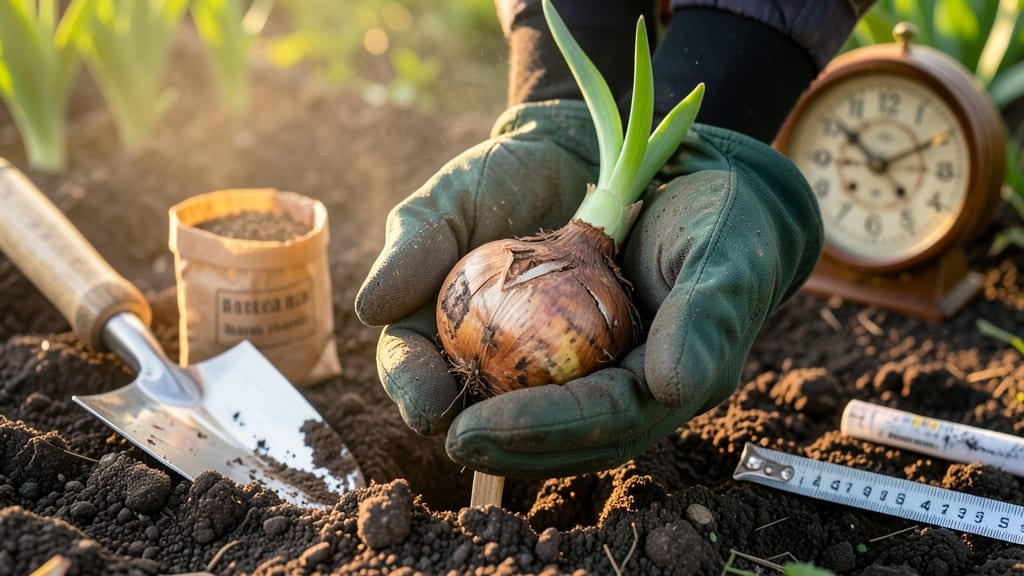
Planting bulbs in Minnesota isn’t just about timing—it’s about beating the clock before the ground freezes solid. If you miss the August-to-October window, your tulips and daffodils might never bloom, leaving you with empty garden beds come spring.
I’ve learned the hard way that USDA Zones 3-5 demand precision: plant too early, and a late frost will zap your efforts; too late, and the soil won’t have time to cool properly.
But here’s the good news: with the right strategy, you can guarantee vibrant blooms year after year, even in Minnesota’s harsh winters.
What if I told you the secret isn’t just when you plant, but how you prep the soil and choose the right bulbs for your zone?
We’ll break down the exact months for fall planting, plus pro tips to extend your blooming season—so you’re not left scrambling when the first frost hits.
Ready to transform your garden into a springtime explosion of color? Let’s dive into the zero-frost survival guide tailored just for Minnesota growers.
Minnesota bulb planting calendar by USDA Zone (exact months for frost-proof success)
Minnesota’s USDA Zones 3-5 create a tight window for planting bulbs—typically between late August and mid-October. The key is planting 6-8 weeks before the ground freezes, which usually lands in September for most regions.
In Zone 3 (northern MN), aim for early September, while Zone 5 (southern MN) can stretch until mid-October.
Bulbs like tulips and daffodils need 40-50°F soil temperatures to root before winter. Use a soil thermometer to confirm—if temps drop below 40°F, your bulbs won’t establish properly. Crocuses and snowdrops are exceptions; they tolerate cooler soils and can go in as late as early November.
Here’s the zone-by-zone breakdown for planting spring-blooming bulbs (the most popular choice for Minnesota gardens). Timing ensures bulbs survive winter’s freeze-thaw cycles without rotting or heaving out of the soil.
| USDA Zone | Ideal Planting Month | Soil Temp Goal (°F) | Planting Deadline | Bulb Depth (inches) | Best Varieties |
|---|---|---|---|---|---|
| Zone 3 (Northern MN) | Early September | 45-50°F | Mid-October | 6-8 inches | Daffodils, Alliums, Snowdrops |
| Zone 4 (Central MN) | Mid-September | 40-45°F | Late October | 5-7 inches | Tulips, Hyacinths, Crocuses |
| Zone 5 (Southern MN) | Late September | 38-42°F | Early November | 4-6 inches | Daffodils, Fritillaries, Muscari |
🌱 Pro Tip: Use a planting gauge to ensure depth—bulbs planted too shallow risk frost heave.
For spring-planted bulbs (like caladiums or begonias), wait until after the last frost in May. These bulbs thrive in Minnesota’s summer heat but need consistent moisture—aim for 1 inch of water per week during their active growing season.
If you’re in Zone 4 or 5 and miss the fall window, don’t panic. Container-grown bulbs can be planted in early spring (March-April) for summer blooms. Just use well-draining potting mix and place containers where they’ll get 6+ hours of sun.
One critical mistake Minnesota gardeners make? Planting bulbs in wet soil. Bulbs rot if soil doesn’t drain—amend heavy clay with compost or sand before planting. For sandy soils, mix in peat moss to retain moisture.
Test your soil’s drainage by digging a 6-inch hole, filling it with water, and timing how long it takes to drain. If it takes more than 4 hours, improve drainage before planting. Mulch with straw after planting to insulate bulbs from freeze-thaw cycles.
For late fall plantings (October), focus on hardy varieties like daffodils and alliums. These tolerate colder soils and shorter rooting windows. Avoid tender tulips unless you’re in Zone 5—they need 6+ weeks to establish roots.
Use this simple checklist before planting: ☑️ Check USDA Zone for your area ☑️ Test soil temperature (40-50°F ideal) ☑️ Amend soil for drainage ☑️ Plant at correct depth (3x bulb width) ☑️ Mulch after planting 🌱
Minnesota bulb planting calendar by USDA Zone (exact months for frost-proof success)
Minnesota’s USDA Zones 3-5 create a tight window for planting bulbs—typically between mid-August and early October. This timeline ensures bulbs establish roots before the ground freezes, giving them the best chance to survive winter and bloom next spring.
In Zone 3 (northern MN), aim for planting by September 15th, while Zone 5 (southern MN) can extend planting until early October.
Soil temperature is your best indicator: bulbs thrive when soil cools to 60°F or below. Use a soil thermometer to check—this usually happens in late August to early September across most of the state.
If you miss this window, wait until spring for crocuses and snowdrops, which can handle cooler soil.
Minnesota Bulb Planting by Zone & Month
| Zone | Ideal Planting Window | Bulb Types | Soil Temp Goal | Critical Deadline |
|---|---|---|---|---|
| Zone 3 (North) | Mid-August - Sept 15 | Daffodils, Tulips, Alliums | Below 60°F | Sept 25 (ground freeze risk) |
| Zone 4 (Central) | Late August - Oct 1 | Hyacinths, Crocuses, Snowdrops | Below 55°F | Oct 10 (first frost) |
| Zone 5 (South) | Late August - Early Oct | Tulips, Daffodils, Fritillaries | Below 50°F | Oct 15 (soil freeze) |
⚠️ Pro Tip: Use a soil thermometer to confirm readiness—bulbs need 4-6 weeks to root before winter sets in.
For spring-blooming bulbs like tulips and daffodils, focus on late September planting in Zone 3 and early October in Zone 5. These bulbs need time to develop roots before the ground freezes, ideally reaching 4-6 inches deep with 3-4 times their width apart.
In Zone 4, aim for planting by October 1st—any later, and you risk frost damage before roots establish.
If you’re unsure about your zone, check the USDA Plant Hardiness Zone Map or use Minnesota’s MNDNR frost date tracker. For example, Duluth (Zone 3) has a first frost by October 1st, while Rochester (Zone 5) can plant until mid-October.
Always plant 6-8 weeks before your average first frost—this is non-negotiable for winter survival.
Don’t forget: Crocuses and snowdrops are exceptions—they can handle late fall planting (even November in Zone 5) because they’re hardier and bloom earlier. For these, focus on well-draining soil and shallow planting (3 inches deep) to prevent rot.
Once planted, mulch with 2-3 inches of straw after the ground freezes to insulate bulbs. This extra layer can mean the difference between vibrant spring blooms and wasted bulbs—especially in Zone 3, where winters are harshest.