
Plants
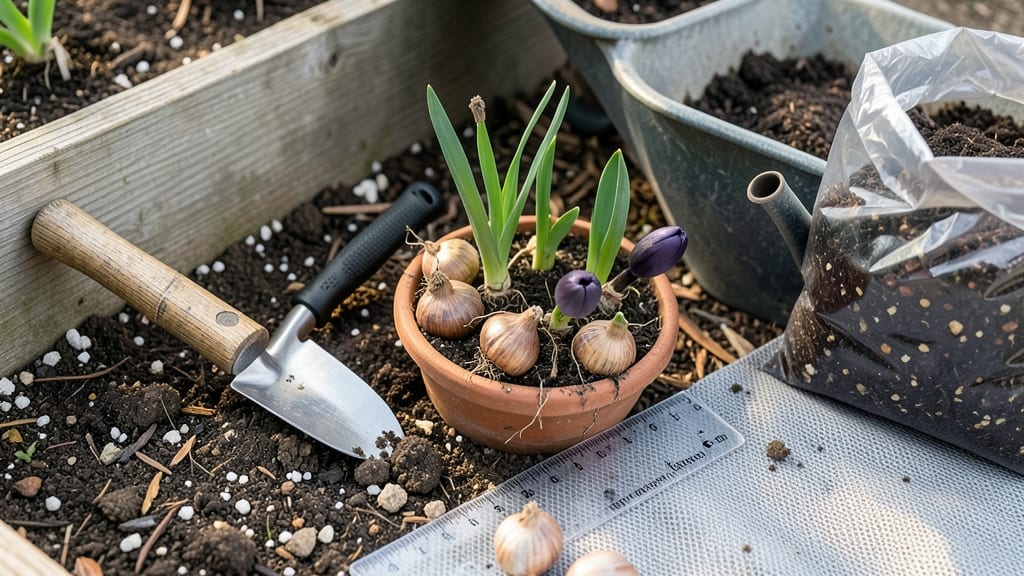
Planting bulbs in Phoenix isn’t just about timing—it’s about outsmarting the desert’s heat. Unlike traditional planting zones, your 9b climate demands a different approach, or those 🌷 spring blooms might never show up.
Most gardeners assume fall is the only window, but Phoenix’s warm winters actually give you two chances to plant successfully. The key? Choosing heat-resistant varieties and planting before monsoon season ends. I’ll show you exactly when—and how—to do it right.
Whether you’re dreaming of tulips or daffodils, the wrong timing can mean wasted effort. But with the right month-by-month guide, you’ll transform your garden into a desert oasis. Let’s dive into the secrets that work in Phoenix’s extreme climate.
From soil prep to watering hacks, I’ll cover everything you need to know to ensure your bulbs thrive. No more guessing—just proven strategies for blooms that last. Ready to get started?
Best months to plant bulbs in Phoenix’s extreme climate
Phoenix’s USDA Zone 9b climate means traditional bulb-planting advice doesn’t apply. Unlike colder regions where bulbs need frost exposure, Phoenix’s mild winters and intense summers demand a different approach. Most bulbs need 6-8 weeks to establish roots before extreme heat arrives, so timing is everything.
In most states, gardeners plant spring bulbs in fall (September-November) to bloom next year. But Phoenix’s warm winters (rarely below 40°F) mean bulbs can rot before blooming. The key is planting earlier—between October and December—to avoid summer heat stress.
Summer bulbs like rain lilies or agapanthus thrive when planted in late summer (August-September), taking advantage of monsoon rains. Fall-planted bulbs (like amaryllis) need well-draining soil to prevent rot during Phoenix’s 100°F+ winters.
Here’s the critical planting timeline for Phoenix’s climate:
| Bulb Type | Best Planting Month | Why This Timing? | Phoenix-Specific Tip |
|---|---|---|---|
| Spring Bulbs (Tulips, Daffodils) | October–December | Establish roots before summer heat | Use mulch to retain moisture |
| Summer Bulbs (Rain Lilies, Agapanthus) | August–September | Align with monsoon rains | Plant in full sun with drip irrigation |
| Fall Bulbs (Amaryllis, Nerine) | September–October | Bloom before winter dormancy | Avoid overwatering—bulbs rot easily |
| Winter Bulbs (Paperwhites, Hyacinths) | November–January | Cooler temps trigger blooms | Use shade cloth in summer |
Phoenix’s lack of frost means bulbs like tulips often fail because they don’t get cold dormancy. Instead, focus on heat-tolerant varieties like rain lilies or spider lilies, which naturally thrive in desert conditions. These bulbs store energy during summer dormancy and bloom when rains return.
Another critical factor is soil temperature. Plant when soil cools below 80°F to prevent bulb rot. Use a soil thermometer to check—ideal planting temps are 60–70°F. In Phoenix, this usually aligns with late September through November.
For container gardening, adjust timing slightly. Potted bulbs heat up faster, so plant 2–4 weeks earlier than in-ground bulbs. Place containers in partial shade during peak summer to protect roots. Use cactus/succulent mix for drainage—regular potting soil retains too much moisture.
Even with perfect timing, watering habits make or break success. Phoenix bulbs need deep, infrequent watering—once every 10–14 days after planting. Overwatering causes rot, while underwatering stresses bulbs. Use drip irrigation on a timer to maintain consistency.
Pro tip: Mark your calendar for January–February—this is when most Phoenix bulbs begin active growth. If you planted correctly, you’ll see sprouts emerging as temps rise. If not, adjust next year’s timing or switch to more heat-resistant varieties.
Remember: Phoenix’s desert climate rewards patience. Bulbs planted at the wrong time may not bloom for 2–3 years as they adjust. But with the right timing and care, your garden can burst into color year-round, defying the heat. 🌱💧☀️
Best months to plant bulbs in Phoenix’s extreme climate
Phoenix’s Zone 9b climate defies traditional bulb-planting rules. Most gardeners assume fall is the only window, but here, winter planting often works better. The key? Planting before monsoon season ends—typically by mid-October—to give roots time to establish before summer’s brutal heat.
Traditional spring bulbs like tulips may struggle, but heat-resistant varieties can thrive with the right timing.
Unlike cooler climates, Phoenix’s warm winters mean bulbs don’t need frost to trigger blooming. Instead, they rely on consistent moisture and cool soil temperatures. Planting in late fall (November-December) gives bulbs a head start before spring’s heat arrives.
Summer planting is risky but possible for rain lilies—we’ll cover those later.
If you miss fall planting, don’t despair—January is your second chance for heat-tolerant varieties. Bulbs like agapanthus and spider lilies can handle Phoenix’s warmth if planted early enough.
Just avoid planting in summer’s peak heat (June–July), as the soil can exceed 100°F, cooking the bulbs before they sprout.
Pro tip: Use a soil thermometer to check temperatures before planting. Ideal soil temps for bulbs should be between 60–70°F. In Phoenix, this usually aligns with October–December or January–February. If your soil runs hotter, opt for shade-loving bulbs or plant in raised beds with added compost for insulation.
Timing isn’t the only factor—soil prep is equally critical. Phoenix’s clay-heavy soil drains poorly, leading to bulb rot. Amend with organic matter (like coconut coir or compost) and plant in well-draining spots.
Mulch with gravel or bark to regulate moisture and temperature. With the right timing and soil, your bulbs will reward you with vibrant blooms even in the desert! 🌷