
Plants
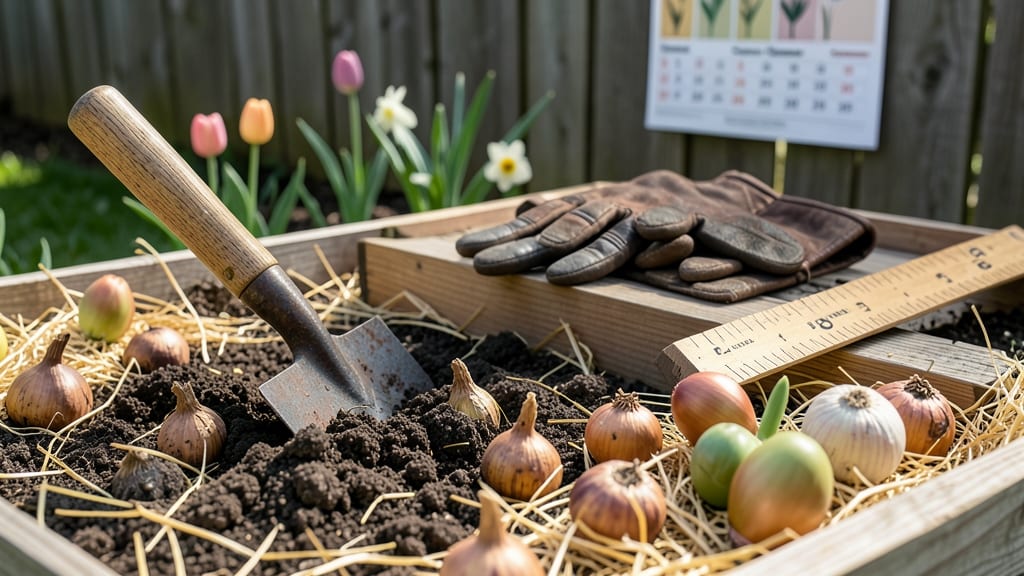
Planting bulbs in South Carolina’s mild winters can be tricky—get the timing wrong, and you’ll miss the bloom window entirely. But with the right chill-hour matching strategy, you can enjoy vibrant tulips, daffodils, and more every spring, even in frost-free zones.
Here’s the secret: most gardeners focus on frost dates, but chill hours are the real game-changer for 🌱 bulbs (General) in SC’s 7b-9a zones. If you plant too late in fall, bulbs won’t get enough cold exposure to bloom.
And if you wait for spring, you risk summer heat stress before flowers even appear.
In this guide, I’ll walk you through the exact fall planting window (October-November) for your region, plus early spring alternatives (February-March) that actually work in SC’s unpredictable climate. No more guessing—just proven timing for zero-frost success.
Whether you’re a beginner or a seasoned gardener, you’ll learn how to prep soil, choose the right bulbs for your microclimate, and avoid the 5 biggest mistakes SC gardeners make. Let’s get those blooms growing!
South Carolina’s chill-hour zones: how to match bulbs for perfect blooms
South Carolina’s mild winters make it tricky to grow traditional spring-blooming bulbs that need cold dormancy. But the key to success lies in chill-hour matching—pairing bulbs with your region’s winter chill.
Most of SC falls under USDA Zones 7b-9a, where 300-1,000 chill hours (temps 32-45°F) occur annually. Choose bulbs that align with your zone to avoid flops.
For example, tulips and hyacinths typically need 600+ chill hours, which works in the Upstate (Zone 7b-8a) but may struggle in Coastal SC (Zone 8b-9a). Instead, opt for daffodils, rain lilies, or alliums, which thrive with fewer chill hours or even skip dormancy entirely.
Here’s how to decode your chill-hour zone and pick the right bulbs:
| Zone | Chill Hours | Best Bulbs | Notes |
|---|---|---|---|
| 7b (Upstate) | 600-900 | Tulips, Hyacinths, Daffodils, Crocus | Traditional bulbs thrive here. |
| 8a (Piedmont) | 400-600 | Daffodils, Alliums, Rain Lilies, Snowdrops | Mix chill-loving and mild-climate bulbs. |
| 8b (Midlands) | 300-400 | Rain Lilies, Daffodils, Camassia, Fritillaria | Skip tulips; focus on low-chill bulbs. |
| 9a (Coastal) | 200-300 | Rain Lilies, Daffodils, Spanish Bluebells, Cyclamen | Plant in fall or spring; no dormancy needed. |
If you’re in Zone 9a (Coastal SC), you can even plant bulbs in early spring (February-March) since they won’t need winter dormancy. Just ensure soil temps are above 50°F to avoid rot. For Upstate gardeners (Zone 7b-8a), stick to fall planting (October-November) to let bulbs acclimate before winter.
Pro tip: Check your local Cooperative Extension Service for precise chill-hour data—some years are milder than others! For example, Charleston (Zone 8b) might only get 350 chill hours in a warm winter, while Greenville (Zone 7b) could see 800+ hours. Adjust your bulb choices accordingly.
For Container gardening in SC, use well-draining pots and plant bulbs in fall for winter chill exposure or spring for immediate blooms. Just avoid letting pots sit in standing water—root rot is a common killer of containerized bulbs.
Now that you’ve matched your bulbs to your chill zone, the next step is timing your fall plantings for maximum bloom potential. Stay tuned for our month-by-month SC planting guide—where we’ll cover soil temps, moisture tips, and how to prep bulbs for SC’s unpredictable winters. 🌱
Best fall planting timeline for SC bulbs: month-by-month guide
Timing is everything when planting bulbs in South Carolina, where winters are mild but unpredictable. The key is planting 6-8 weeks before the first frost, which typically lands in October-November for most of the state.
But your exact window depends on whether you're in the Upstate (Zone 7b) or Coastal Lowcountry (Zone 8a-9a).
For Upstate SC (Zone 7b), aim to plant between mid-October and early November. This gives bulbs enough time to root before winter sets in. In the Coastal Lowcountry (Zone 8a-9a), you’ve got a bit more flexibility—plant from late October through December, since frost is less reliable.
Here’s your month-by-month breakdown for perfect fall planting, including soil prep tips and moisture tricks to beat SC’s winter unpredictability.
- 1 September (Upstate only): Prep soil by adding compost or aged manure to improve drainage. Test soil pH—aim for 6.0-7.0 for most bulbs.
- 2 Mid-October (Upstate) / Late October (Coastal): Plant tulips, daffodils, and hyacinths at 3x their bulb height deep. Space them 4-6 inches apart for optimal blooms.
- 3 Early November (Upstate) / November (Coastal): Add mulch (2-3 inches) after planting to protect bulbs from freeze-thaw cycles. Avoid organic mulch like leaves—it can rot and suffocate bulbs.
- 4 December (Coastal only): Plant crocuses and rain lilies, which tolerate warmer winters. Water lightly after planting to encourage root growth before dormancy.
Don’t forget to water bulbs deeply after planting—this helps roots establish before winter. In Upstate SC, a light frost in December is fine, but Coastal gardeners should avoid planting after mid-December, as bulbs may not get enough chill hours to bloom.
If you miss fall planting, don’t panic! Early spring (February-March) is your second chance, especially for tender bulbs like dahlias. Just be ready to protect them from late frosts with row covers or cloches.
Now that you’ve got the timing down, let’s talk about the 5 biggest mistakes SC gardeners make—and how to avoid them completely. Trust me, skipping these will save your bulbs (and your sanity!) next spring.