
Plants
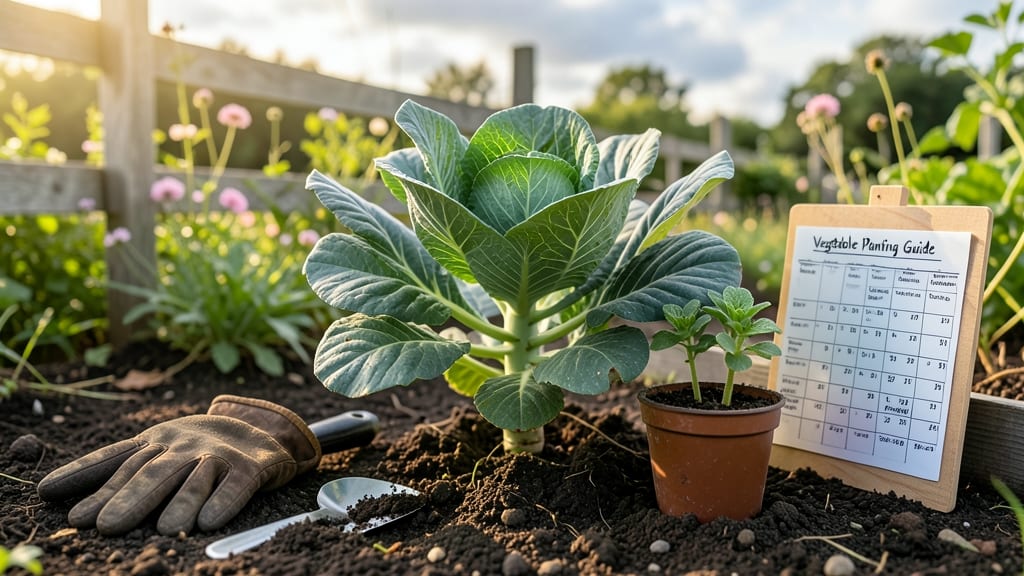
Timing your cabbage planting just right in Colorado is the key to avoiding frost damage and enjoying a bountiful harvest before winter sets in. With USDA zones 5-7 and unpredictable mountain weather, knowing the exact months to plant 🥬 can mean the difference between thriving plants and wasted effort.
Most gardeners in Colorado swear by two planting windows: early spring and late summer. But here's the catch—getting it wrong means your cabbage might bolt or freeze before it matures.
I'll show you the precise timing that works for both spring and fall plantings, so you can skip the guesswork and grow healthy, crisp heads.
Whether you're a first-time gardener or a seasoned pro, these strategies will help you prep your soil, choose the right varieties, and transplant at the perfect moment. Let's dive into the exact months and techniques that actually work in Colorado's climate.
By the end, you'll know not just when to plant, but how to give your cabbage the best shot at success—from frost-resistant varieties to spacing tips that maximize your yield. Ready to grow that perfect head of cabbage?
Optimal cabbage planting months in Colorado’s climate zones
Colorado’s diverse USDA hardiness zones 5–8 mean your cabbage planting window varies dramatically between the Front Range and high-altitude areas. In zone 5 (e.g., Fort Collins), frost lingers until mid-May, while zone 7 (e.g., Colorado Springs) enjoys a 60-day longer growing season.
Timing is everything—plant too early, and frost zaps your seedlings; too late, and heads won’t mature before winter. Let’s break down the exact planting months for each zone to maximize your harvest.
For spring cabbage, aim to sow seeds 4–6 weeks before your last frost date. In zone 5, that’s late March to early April, while zone 7 gardeners can start as early as mid-February.
Fall planting follows a 10–12 week rule before the first frost: late July to early August in most of Colorado. High-altitude zones (like zone 4 in Leadville) may need to delay spring planting until mid-April to avoid late frosts.
🌱Pro Tip: Use row covers or cold frames to extend your spring season by 2–3 weeks in colder zones.
| Zone | Spring Planting Window | Fall Planting Window | Frost Risk | Harvest Months |
|---|---|---|---|---|
| 5 (Fort Collins) | Late March–Early April | Late July–Early August | High (May & Oct) | June–July & Oct–Nov |
| 6 (Denver) | Mid-March–Mid-April | Early July–Mid-August | Moderate (Apr & Sep) | June–August & Sep–Oct |
| 7 (Colorado Springs) | Mid-February–March | June–July | Low (May & Oct) | May–July & Sep–Nov |
| 8 (Albuquerque NM border) | January–February | July–August | Minimal (Oct) | March–May & Oct–Dec |
If you’re in a high-altitude zone (e.g., zone 4), prioritize fast-maturing varieties like 'Early Jersey Wakefield', which can go from seed to harvest in 55–60 days. These varieties give you a 10–14 day buffer against unexpected late frosts.
For zone 7+, you can even try winter cabbage by planting in September for a holiday harvest—just protect with mulch or row covers when temps drop below 20°F.
🌡️Temperature Matters: Cabbage seedlings thrive in 50–60°F soil. If spring soil is still cold (40°F), use biodegradable pots to transplant seedlings once temperatures stabilize. For fall planting, wait until soil temps drop below 70°F to prevent bolting (premature flowering).
Another critical factor is elevation. Gardens above 7,000 feet (like in Boulder County) have a shorter growing season—opt for early-maturing varieties or start seeds indoors in February for a head start.
Use black plastic mulch to warm soil faster in spring, giving your cabbage a 2-week growth advantage.
✂️Transplanting Tip: Harden off seedlings for 7–10 days before moving them outdoors. Acclimate them to wind and sun gradually to avoid transplant shock, which can stunt growth.
For fall cabbage, time your planting so heads mature 4–6 weeks before the first frost. In zone 5, that means early October harvests, while zone 7 can enjoy November harvests. Use slow-bolting varieties like 'Golden Acre' to extend your fall window by 2–3 weeks.
🌿Soil Prep: Test your soil’s pH (6.5–7.0) and amend with compost or aged manure before planting. Cabbage is a heavy feeder, so enrich soil with balanced fertilizer (5-10-10)
Optimal cabbage planting months in Colorado’s climate zones
Colorado’s USDA zones 5-7 mean cabbage thrives in two distinct planting windows—spring and fall—each with unique timing to avoid frost damage.
The key is planting 4-6 weeks before your last frost date (typically mid-April in most areas) for spring, or 10-12 weeks before the first frost (usually mid-October) for fall.
For elevation adjustments, mountain regions (zones 6-7) can start 2-3 weeks earlier in spring, while lower elevations (zone 5) should delay until soil warms consistently above 40°F. Fall plantings in higher elevations may need to start by late July to mature before winter.
| Zone | Spring Planting Window | Fall Planting Window | Key Consideration |
|---|---|---|---|
| Zone 5 (Lower Elevations) | April 15–May 1 | August 1–15 | Soil must reach 40°F+ |
| Zone 6 (Moderate Elevations) | April 1–April 15 | July 20–August 10 | Frost risk higher in valleys |
| Zone 7 (Mountain Regions) | March 20–April 5 | July 10–July 25 | Shorter season; use fast varieties |
In spring, aim for March-April plantings when nighttime temperatures stay above 35°F consistently. For fall, July-August is ideal, but avoid planting after August 15 in most zones to allow 90-120 frost-free days for maturity. Use row covers if early/late frosts threaten.
Pro tip: Direct-sow seeds in spring for earliest harvests, but transplant seedlings in fall to extend the season. Harden off seedlings for 7-10 days before outdoor planting to reduce transplant shock.
For container growing, start seeds indoors 6-8 weeks before last frost and move pots outside after soil warms. Containers dry faster—water daily in summer to prevent bolting from stress.
Always check your local CoCoRaHS or Colorado State University Extension frost date maps for precise timing, as microclimates vary even within counties. 🌱