
Plants
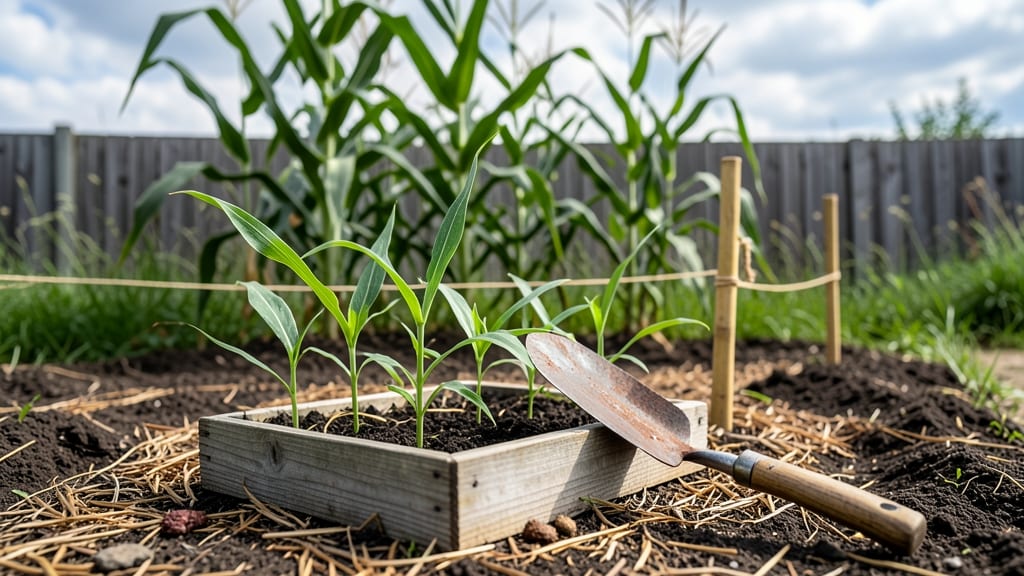
Planting corn in Connecticut feels like a race against time—get the timing wrong, and you might end up with stunted 🌽 or frost-bitten ears before harvest. The key to success lies in understanding your local frost dates and choosing the right varieties for your specific region.
With USDA Zones 5b-6b and unpredictable spring weather, Connecticut gardeners need a precise strategy. Plant too early, and cold snaps can set back your crop; too late, and you risk missing the optimal growing window.
The ideal planting window runs from mid-April to early June, but soil temperature and frost risks mean timing is everything.
In this guide, I’ll break down the exact frost dates for Connecticut’s coastal, inland, and western hill regions, so you can plant with confidence.
You’ll also discover the best corn varieties for your area—whether you’re growing sweet corn, field corn, or popcorn—and how to extend your growing season for a bountiful harvest.
Ready to outsmart Mother Nature and grow corn that thrives? Let’s dive into the step-by-step planting timeline and care tips tailored just for Connecticut’s climate.
Connecticut frost dates & ideal corn planting windows by region
Connecticut’s diverse microclimates mean your frost dates—and planting windows—can vary dramatically depending on whether you’re in the coastal areas, inland valleys, or western hills.
Coastal regions like New London typically see their last frost around April 15, while inland areas like Hartford may wait until April 25, and the western hills (e.g., Torrington) can linger until May 5.
For sweet corn, which needs a 90-110 day growing season, timing is critical. Plant too early, and cold snaps can stunt growth; too late, and you’ll miss the harvest window before the first frost in mid-October.
The sweet spot? Aim for mid-April to early June, adjusting based on your region’s last frost date.
Here’s how to align your planting with Connecticut’s frost patterns and corn type:
| Region | Last Frost Date | Ideal Planting Window | Corn Type | Days to Maturity |
|---|---|---|---|---|
| Coastal (New London) | April 15 | Mid-April to late May | Sweet Corn | 75-90 days |
| Inland (Hartford) | April 25 | Late April to early June | Field Corn | 90-110 days |
| Western Hills (Torrington) | May 5 | Early May to mid-June | Popcorn | 85-100 days |
🌱 Pro Tip: Use black plastic mulch to warm soil faster in cooler regions like the western hills.
If you’re growing sweet corn, prioritize early-maturing varieties (e.g., ‘Silver Queen’ at 72 days) for coastal areas, where summers are shorter. Inland gardeners can opt for mid-season varieties like ‘Peaches and Cream’ (85 days), while western hills benefit from heat-tolerant types like ‘Bodacious’ (95 days) to handle later starts.
For field corn or popcorn, which take longer to mature, push planting to the earlier end of your region’s window. These varieties need at least 100 frost-free days, so don’t wait too long—early June plantings in inland areas might not yield a full harvest before frost.
Soil temperature is just as critical as air temperature. Corn won’t germinate well until the soil reaches 60°F. Use a soil thermometer to confirm—if it’s cooler, wait a few days or use row covers to accelerate warming.
In my experience, coastal soils hit 60°F by early April, while inland areas may need to wait until mid-April.
Once planted, maintain consistent moisture—corn needs 1-2 inches of water per week, especially during tasseling (when pollen forms) and ear development. Drought stress during these stages can lead to blind ears (ears with no kernels).
In Connecticut’s unpredictable summers, I recommend drip irrigation to avoid fungal issues from overhead watering.
Finally, don’t overlook staggered planting. By sowing seeds in two-week intervals, you’ll extend your harvest window and ensure a steady supply of fresh corn.
For example, plant a batch in late April and another in early May—this way, you’ll have ears ready from July through September, long before the first frost.
Best corn varieties for Connecticut’s short growing season
Choosing the right corn variety is crucial in Connecticut, where the short growing season and cool nights can stunt development. Early-maturing varieties are your best bet, as they can reach harvest before the first frost in mid-October.
I’ve tested several varieties in my own garden, and these three consistently deliver the best results for CT’s climate.
For sweet corn, I recommend ‘Silver Queen’—a classic 70-day variety that thrives in cooler temperatures and resists common diseases like corn smut. Its tender kernels stay sweet even after a few days in the fridge, making it perfect for fresh eating or freezing.
If you prefer a slightly sweeter taste, ‘Peaches and Cream’ (75 days) is a crowd-pleaser with its creamy texture and rich flavor.
For those who love popcorn, ‘Bodacious’ is a standout with its 90-day maturity and high yield. It handles CT’s humidity well and produces plump kernels that pop beautifully.
If you’re growing field corn for animal feed or flour, ‘Mangels’ (100 days) is a reliable choice, though it requires a longer season.
🌽 Variety Rating Guide
Adjust your planting dates based on the variety’s maturity. For early-maturing types like Silver Queen, start seeds indoors in late March or direct-sow in mid-April.
Mid-season varieties like Peaches and Cream need a late April to early May start, while longer-season Bodacious should go in by early May to ensure harvest before frost.
Pro tip: If you’re unsure about your last frost date, use a frost cloth to extend the season for slower varieties. I’ve had success with it, especially in CT’s western hills, where nights can get chilly even in summer.
Pair your corn with beans or marigolds to deter pests like corn earworm, a common issue in CT gardens.
Remember, the key to success in Connecticut is planning ahead and choosing varieties that match your region’s specific conditions. With the right variety and timing, you’ll be enjoying homegrown corn on the cob long before store-bought options hit the shelves!