
Plants
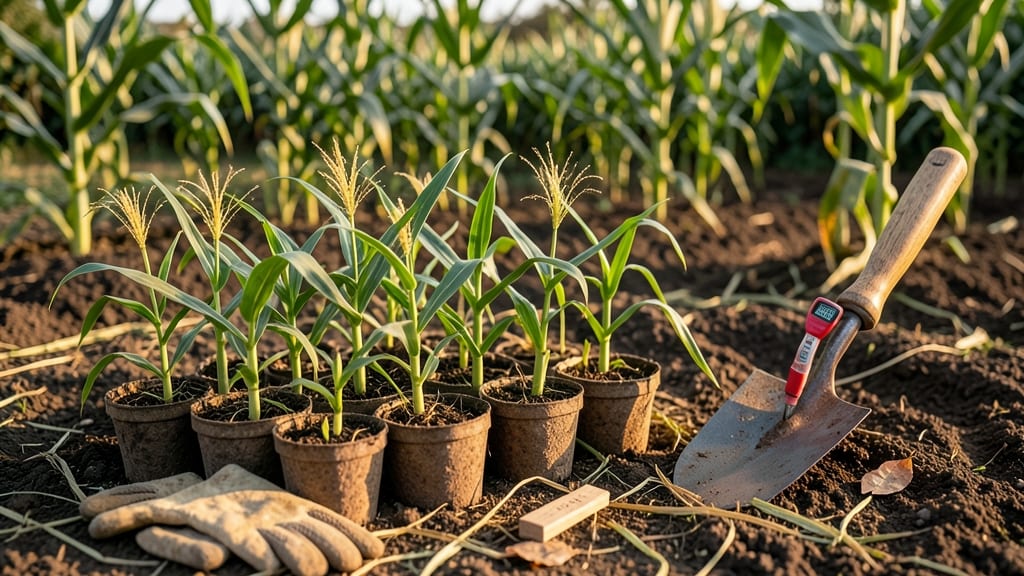
Timing your 🌽 corn planting in New Mexico isn’t just about the calendar—it’s about beating the heat, outrunning frost, and syncing with the monsoons. Get it wrong, and your stalks might bolt before the ears even form, leaving you with nothing but disappointment by harvest season.
Here’s the truth: the perfect window shifts wildly depending on whether you’re in the low desert, middle Rio Grande Valley, or high-altitude mountains.
I’ve grown corn across 6a-9a zones for years, and I’ll show you exactly when to drop those seeds—down to the week—for your specific elevation, so you don’t waste time (or money) on failed crops.
We’re talking mid-April for low desert (where soil warms fast) vs. late May for mountain zones (where frost lingers until June). Plus, I’ll reveal how to adjust for drought years or when to plant a second crop if your summer stretches long enough.
Let’s get your corn in the ground at the right moment—no guesswork, just results.
You’ll walk away knowing exactly which month to plant based on your location, how to prep soil for New Mexico’s arid conditions, and which short-season varieties thrive at 7,000+ feet where summers are brief. Ready to grow corn that actually produces? Let’s dive in.
New Mexico corn planting calendar by elevation zone (low to high desert)
New Mexico’s elevation zones drastically change corn planting times—what works in Albuquerque (5,000 ft) can fail in Taos (7,000+ ft). The key? Soil temperature thresholds and frost dates. At lower elevations, corn thrives with warmer springs, while high-altitude areas need earlier starts to avoid frost.
Let’s break it down by zone so you plant at the perfect moment for your location.
For Piñon-Juniper zones (4,000–6,000 ft), like Las Cruces or Deming, the window opens mid-April to early May. Here, last frost typically passes by March 15, and soil warms quickly.
But rush planting, and drought stress from summer heat can stunt growth. Aim for soil temps of 60°F+—use a soil thermometer to confirm.
In Middle Rio Grande (6,000–7,000 ft), including Albuquerque and Santa Fe, plant late April to mid-May. This zone balances frost risk and heat—too early, and late frosts nip tender seedlings; too late, and monsoon rains arrive too soon.
Monitor USDA Zone 7a frost dates and adjust your schedule accordingly.
At Mountain elevations (7,000+ ft), such as Taos or Angel Fire, corn must go in late March to early April. These areas have shorter growing seasons and cooler soils.
Choose short-season varieties (60–75 days) like ‘Amarillo’ or ‘Blue Lake’ to ensure harvest before first frost in October.
🌽
Pro tip: Use black plastic mulch in lower elevations to warm soil faster. In high-altitude areas, straw mulch retains moisture longer. Both tricks help extend your planting window by 1–2 weeks in marginal zones.
Timing isn’t just about frost—it’s also about monsoon alignment. Plant too early, and your corn may bolt before rains arrive. Too late, and drought stress sets in.
We’ll dive deeper into monsoon synchronization in the next section, but for now, mark your calendar: Piñon-Juniper gardeners have until May 15, while Mountain zone growers must finish by April 30.
One more critical factor: soil moisture. New Mexico’s arid climate means corn needs consistent water post-planting. If your soil feels dry below 2 inches, delay planting until rains arrive—or irrigate deeply before sowing. A moisture meter is your best friend here.
For container growing, adjust timing by 2 weeks earlier—pots heat up faster. But ensure containers are at least 12 inches deep to accommodate corn’s deep roots. Shallow pots stunt growth, especially in high-altitude zones where seasons are short.
🌡️
How to time corn planting with New Mexico’s monsoon cycle
New Mexico’s monsoon season isn’t just about sudden rain—it’s the lifeline your corn needs to thrive. Planting 2–4 weeks before the monsoons arrive gives your seedlings time to establish roots before the real moisture kicks in.
In most years, that means late April to early May for the Middle Rio Grande Valley, but timing shifts earlier for low desert (March) and later for high mountains (June).
Why the rush? Corn needs consistent moisture during tasseling and ear formation, stages when drought stress can cause blind ears (ears with no kernels). The monsoons provide that moisture, but if you plant too late, your corn might bolt before the rains arrive.
I’ve seen entire fields fail because the grower waited until June 1st—by then, the heat was already pushing the plants toward maturity too fast.
To track monsoon timing, monitor the National Weather Service’s Albuquerque forecast or local agricultural extension reports. Typically, monsoons start around mid-July, but drought years can delay them until August.
If you’re in a drought-prone year, consider planting heat-tolerant varieties like ‘Amarillo’ and supplement with drip irrigation to bridge the gap.
Align planting with predicted monsoon start dates (typically mid-July) to ensure moisture during critical growth stages.
If monsoons are delayed, use drip irrigation or plant shorter-season varieties (e.g., ‘Golden Bantam’) to avoid heat stress.
Test soil moisture weekly—corn roots need 1–2 inches of water per week, even if rains are frequent.
Apply straw or grass clippings after planting to reduce evaporation and keep roots cool during 100°F+ days.
Water in the morning to prevent corn smut and gray leaf spot, common in New Mexico’s humid monsoon periods.
Pro tip: If you’re in the high desert (e.g., Santa Fe), the monsoons may not reach you until late July. In this case, focus on short-season varieties like ‘Amarillo’ (70-day maturity) and start seeds indoors in April to transplant after the last frost.
I’ve had success with this method even at 8,000 feet—the key is getting those seedlings hardened off before the soil warms.
Don’t ignore the soil temperature either. Corn germinates best when soil is at least 60°F. In lower elevations, this happens by mid-April, but in the mountains, wait until late May.
Use a soil thermometer to confirm—planting too early in cold soil leads to poor germination and weak stalks.
Finally, if you’re in the Rio Grande Valley, you might squeeze in a second planting in early July for a fall harvest. Just choose fast-maturing varieties (60–70 days) and accept smaller ears—the heat and shorter daylight in late summer will limit growth.
I’ve grown ‘Silver Queen’ this way, and while the ears aren’t as large, they’re still delicious and worth the effort.