
Plants
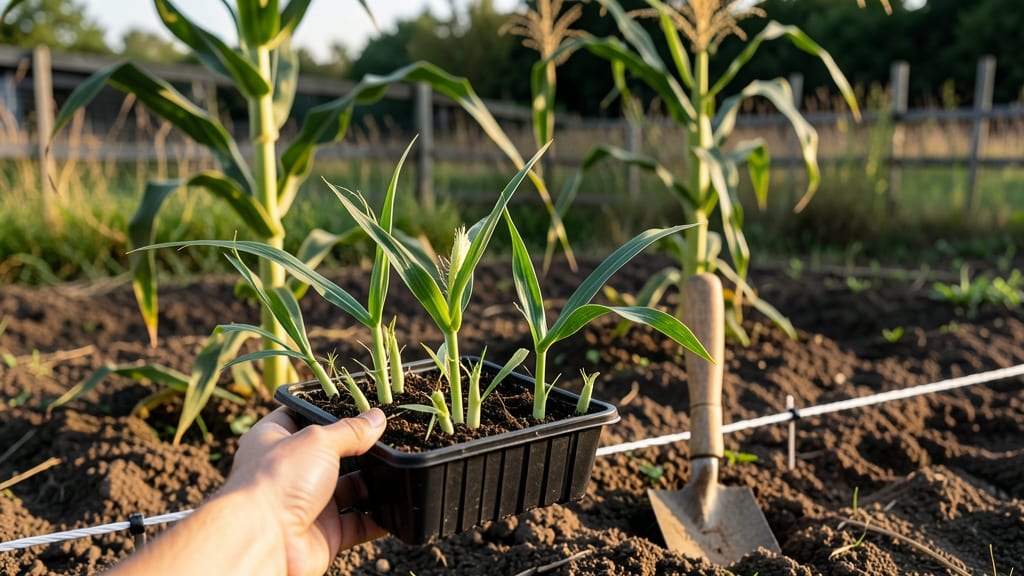
Planting corn in North Alabama isn’t just about dropping seeds in the dirt—it’s about timing it perfectly to avoid frost damage and maximize those sweet, juicy ears.
The mid-April to early May window is your golden opportunity, but even a few days off can mean the difference between a bumper crop and a sad, wilted 🌽 disappointment.
With USDA Zone 7a’s unpredictable spring weather, you’ll want to wait until soil temperatures hit at least 60°F and the last frost has passed—usually around April 15. Plant too early, and frost will nip your seedlings; too late, and you might miss the peak growing season.
The key is balancing patience with readiness, ensuring your corn has 90-120 days to mature before the first frost in October.
But here’s the thing: not all corn varieties play by the same rules. Early-maturing types can stretch your season, while late varieties might push your luck.
I’ll break down the best planting strategies for North Alabama’s microclimates—whether you’re in Huntsville’s cooler hills or Decatur’s warmer valleys—so you can adjust your schedule for the best results.
Ready to grow corn that rivals your favorite roadside stand? Let’s dive into the exact weeks, soil prep tips, and early-care secrets that’ll turn your garden into a cornucopia of fresh, homegrown goodness.
Best planting weeks before last frost in North Alabama (by variety)
North Alabama’s USDA Zone 7a/7b gives you a tight window—just 3-4 weeks between your average last frost (April 15) and when soil warms to 60°F+.
For sweet corn, this means planting between mid-April and early May, but your exact timing depends on the variety and your local microclimate.
Early varieties like 'Silver Queen' or 'Ambrosia' can handle cooler soil and are ideal for late March to early April plantings if you’re in a warmer microclimate. Meanwhile, longer-season varieties like 'Peaches and Cream' or 'Bodacious' need warmer soil and should wait until late April to early May.
Field corn and popcorn varieties are even more sensitive to cold. Field corn (like 'Pioneer Brand 3906') should wait until mid-to-late April, while popcorn (such as 'Gladiator' or 'Illini Yellow') thrives with soil temps above 65°F, pushing planting to early May.
Here’s the key: Count back from your harvest goal. Sweet corn takes 75-90 days to mature, so if you want ears by July 4th, plant by mid-April. Field corn needs 90-110 days, so aim for late April.
Pro tip: Use a soil thermometer to confirm temps. Corn won’t germinate well below 50°F, and roots struggle below 60°F. If your soil is cold, wait—rushing leads to rot.
🌱
If you’re in a higher-elevation area (like Chattanooga’s outskirts), push planting to early May—cooler nights delay germination. Conversely, urban heat islands (e.g., Birmingham suburbs) can let you plant 2 weeks earlier.
For successive plantings, stagger seeds every 10–14 days up to June 1st. This ensures a continuous harvest from July to September, avoiding the July heat slump that can reduce ear quality.
Remember: Corn is a heavy feeder. Amend your soil with compost or aged manure 4–6 weeks before planting. Test your soil’s pH (6.0–7.0)—corn hates acidic soil, and lime may be needed if your tests show pH below 6.0.
🌽
How to adjust planting dates for North Alabama’s microclimates
North Alabama’s geography isn’t one-size-fits-all—elevation, soil types, and even urban heat islands can shift your ideal planting window by 1–2 weeks.
If you’re gardening in Huntsville’s cooler hills, you might need to wait until late April for soil to warm, while Decatur’s lower elevations could be ready by mid-April. Microclimates near lakes or rivers may also hold warmth longer, giving you a head start.
Another critical factor is soil temperature. A soil thermometer is your best friend—corn seeds won’t sprout reliably below 60°F. In higher elevations (3,000+ feet), like in the Appalachian foothills, soils warm 1–2 weeks later than valley areas.
Use black plastic mulch or row covers to warm soil faster if you’re pushing early dates.
Unexpected cold snaps can derail even the best-laid plans. The National Weather Service’s Huntsville office reports that late frosts (after April 15) happen about once every 3–4 years in North Alabama.
To hedge your bets, plant successive batches every 2 weeks in May for staggered harvests. This works especially well for bush corn varieties, which mature faster.
Urban gardeners in cities like Birmingham or Tuscaloosa might experience urban heat islands, where pavement and buildings trap heat. This can warm soils 3–5 days earlier than rural areas.
Test your soil’s readiness by pressing a soil thermometer 2 inches deep—if it’s consistently 60°F+ for 3 days, it’s time to plant.
For mountainous regions (e.g., DeKalb County), consider shorter-season varieties like ‘Silver Queen’ (70–75 days) or ‘Peaches and Cream’ (80 days). These tolerate cooler soils better and still produce sweet ears.
In contrast, valley areas (e.g., Madison County) can handle longer-season types like ‘Golden Bantam’ (85 days) or ‘Country Gentleman’ (90 days).
Don’t ignore wind exposure, either. Gardens in open fields (like those near Huntsville’s airport) dry out faster and cool down quicker at night.
If your soil is ready but nights are still chilly (50°F or below), use frost blankets or plant near windbreaks like tall sunflowers or corn stalks from the previous year.
Pro tip: Check the Alabama Cooperative Extension System’s frost maps (updated annually) for your specific county. They adjust for local variations, like the 1–2 week lag in Jackson County compared to Marshall County. With these adjustments, you’ll turn North Alabama’s quirks into advantages for a reliable corn harvest.
- 1 Higher elevations (3,000+ ft): Wait until late April for soil to reach 60°F.
- 2 Valleys/lower elevations: Plant by mid-April if soil is warm enough.
- 3 Urban heat islands: Soils warm 3–5 days earlier—test with a thermometer.
- 4 Mountainous areas: Choose shorter-season varieties (70–80 days).
- 5 Open fields: Use windbreaks or row covers for cooler nights.