
Plants
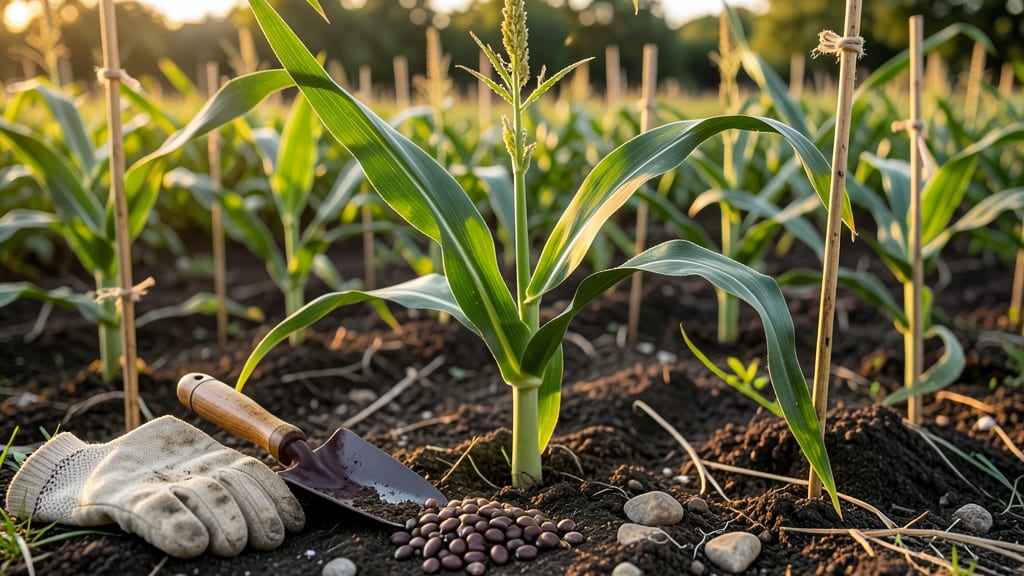
Planting corn in Pennsylvania at the wrong time could mean watching your 🌽 stalks wilt before they even get a chance to thrive—especially when late frosts and unpredictable spring weather throw off your best-laid plans.
If you’ve ever stared at your calendar, wondering whether to plant your corn in early April or wait until May, you’re not alone. The difference between a bountiful harvest and a disappointing one often comes down to timing, soil temperature, and knowing your local microclimate.
In USDA Zones 5b-6a, getting it right means waiting until the soil warms to at least 60°F and the last frost has passed—usually mid-April to mid-May.
But here’s the thing: not all corn varieties play by the same rules. Sweet corn, field corn, and even dwarf varieties like ‘Golden Bantam’ have different needs, and Pennsylvania’s diverse regions—from Erie’s cooler lakeside climate to Philadelphia’s humid southeast—can shift those windows by weeks.
I’ll break down the exact dates, soil prep secrets, and weather tricks to ensure your corn gets the perfect start.
Ready to turn your garden into a cornfield goldmine? Let’s dive into the step-by-step planting calendar that’ll have your ears plumping up just in time for harvest—no guesswork, just results.
Optimal corn planting dates in Pennsylvania by USDA zone 5b-6a
Pennsylvania’s USDA Zones 5b-6a offer a short but productive growing season for corn, where precise timing prevents frost damage and maximizes yields. The last average frost date varies dramatically across regions—from April 15 in Philadelphia (Zone 6a) to May 1 in Erie (Zone 5b)—so local data is critical.
Corn seeds won’t germinate until soil reaches 50°F+, but roots thrive at 60°F+, making early planting risky.
For sweet corn varieties (like 'Silver Queen' or 'Ambrosia'), aim to plant 2-3 weeks after your last frost date to align with peak harvest windows in late July to October.
Field corn or dwarf varieties (e.g., 'Golden Bantam') can tolerate slightly earlier planting, but even they need 120+ frost-free days to mature. Use your county’s NOAA frost calendar to pinpoint exact dates.
Here’s how planting windows break down by Pennsylvania region, accounting for microclimates and soil warming needs:
| Region | USDA Zone | Last Frost Date | Optimal Planting Window | Soil Temp Goal |
|---|---|---|---|---|
| Southeast PA (Philadelphia) | 6a | April 15 | April 25–May 10 | 60°F+ |
| Central PA (Lancaster) | 6a | April 20 | May 1–May 15 | 60°F+ |
| Northeast PA (Erie) | 5b | May 1 | May 15–May 30 | 60°F+ |
| Northwest PA (Pittsburgh) | 6a | April 22 | May 2–May 12 | 60°F+ |
*Adjust dates 1–2 weeks earlier for black plastic mulch or raised beds.
If you’re planting early varieties (like 'Early Sunglow'), you can push the envelope by 10–14 days earlier than the table suggests, but only if you use row covers or cold frames to protect seedlings.
For late-season varieties (e.g., 'Peaches and Cream'), delay planting until mid-May to ensure harvests before the first frost in mid-October.
Pro tip: Use a soil thermometer to confirm temperatures. Corn seeds won’t germinate below 50°F, and roots struggle below 60°F. If your soil is too cold, try black plastic mulch or straw mulch to warm it faster.
In clay-heavy soils (common in PA), amend with compost to improve drainage and warmth retention.
For successive planting, stagger seeds every 10–14 days up to June 15 to extend your harvest window. This works especially well for bush corn varieties, which mature faster than standard types. Just remember: corn needs 60–90 days to reach harvest, so late plantings won’t ripen before frost.
Monitor local NOAA forecasts and microclimate tools like PlantMap for real-time adjustments. Urban areas (e.g., Philadelphia) often have 2–3°F warmer microclimates than rural zones, so you might plant 1 week earlier without risk.
Conversely, valley regions (like Lancaster County) can trap cold air, delaying planting by 5–7 days.
Once planted, maintain consistent moisture—corn needs 1–2 inches of water weekly—and watch for tasseling (when pollen appears). This is your cue to fertilize with nitrogen (e.g., 10-10-10) to boost ear development. With the right timing, you’ll enjoy sweet, homegrown corn from late July through September.
How to adjust corn planting for Pennsylvania’s unpredictable spring weather
Pennsylvania’s spring weather can be as unpredictable as a whirlwind through a cornfield—one day warm and sunny, the next a surprise frost. If you’ve ever watched your tender corn seedlings wilt overnight, you know how critical it is to adjust planting strategies for these fluctuations.
The key is extending your growing season while protecting young plants from late frosts, which can strike as late as mid-May in some regions.
I’ve learned the hard way that planting too early—even by a few weeks—can turn your hopeful rows of corn into a sad, frost-nipped memory. Instead, focus on delaying planting until soil temperatures consistently stay above 50°F (use a soil thermometer!) and using cold-hardy varieties to buy extra time.
For example, ‘Golden Bantam’ and ‘Country Gentleman’ tolerate cooler soils better than standard sweet corn varieties.
Use row covers or frost blankets to protect seedlings
Lightweight fabric raises soil temps by 5-8°F and shields from wind. Remove when plants are 6 inches tall to avoid overheating.
Warm soil with black plastic mulch 2-3 weeks before planting
Lays 2-3 weeks earlier than bare soil, reaching 60°F+ faster. Cut X’s for seed placement to avoid disturbing roots.
Monitor NOAA frost forecasts and local microclimates
Check 7-day outlooks for frost warnings. Valley areas (like Poconos) freeze 2-5 days later than ridges.
Plant in raised beds for faster warming
Raised beds warm 2-3°F faster than in-ground soil. Add compost to improve drainage in Pennsylvania’s clay-heavy soils.
Stagger plantings in 2-week intervals for extended harvest
Plant half your seeds at the earliest safe date, then half 2 weeks later to ensure a continuous supply of fresh ears.
Another trick I swear by is planting near windbreaks—like a fence or hedgerow—to create a microclimate that’s 3-5°F warmer than open fields. Corn thrives on warmth, and even a slight edge can mean the difference between a thriving plant and one struggling to survive.
If you’re in Southeast PA (Philadelphia area), aim for mid-May planting after the average last frost date of April 20th, but always have row covers ready.
For those in Northeast PA (Erie), where frosts can linger into May, consider starting seeds indoors 2-3 weeks before the last frost date and transplanting once the soil warms. Just be sure to harden off seedlings for a week before moving them outside to avoid transplant shock.
And remember—patience is key. Rushing your corn into cold soil is like sending a toddler out in a snowstorm: it’s not going to end well 🌱.
Finally, keep an eye on the NOAA Climate Prediction Center for regional forecasts. Their 7-day outlooks can give you a heads-up on temperature shifts, helping you time your planting with precision.
In my experience, combining soil warming techniques with cold-hardy varieties gives me the best chance of beating Pennsylvania’s unpredictable spring—so my corn gets the strong start it deserves! ☀️