
Plants
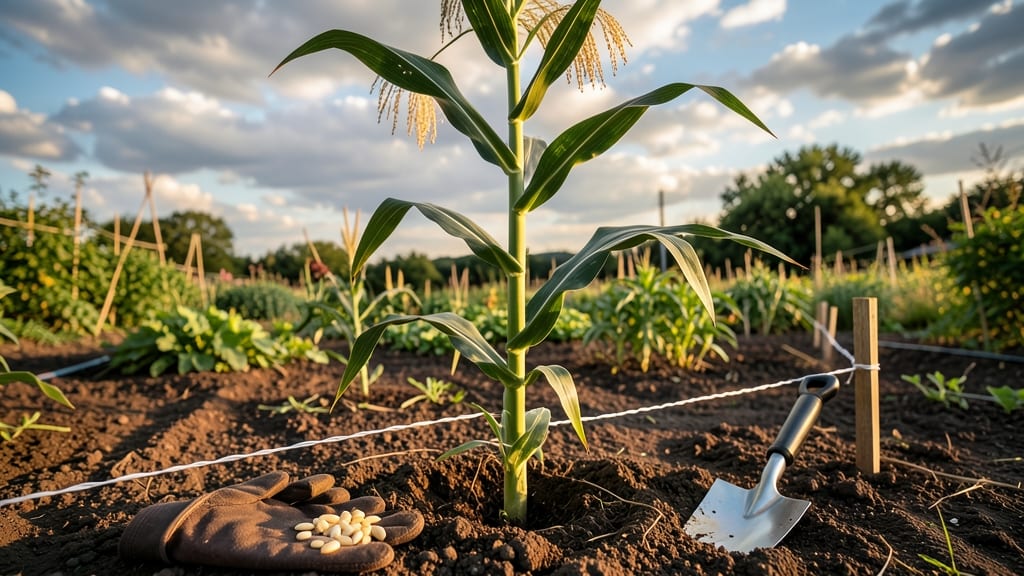
Timing your corn planting in Tennessee just right can mean the difference between a bountiful harvest of sweet, tender ears and a disappointing flop. With USDA Zones 6-8 and Tennessee’s diverse microclimates, knowing exactly when to plant is everything.
Most Tennessee gardeners should start corn seeds indoors 6-8 weeks before the last expected frost—or plant directly in the garden once soil temperatures hit 60°F.
But here’s the catch: your exact planting window depends on whether you’re in East, Middle, or West Tennessee, where frost dates can vary by 2-3 weeks.
I’ve grown corn in Tennessee for years, and I’ll share my proven strategies for beating late frosts, choosing the right varieties, and maximizing your yield. Whether you’re a first-time gardener or a seasoned pro, these tips will help you grow corn that’s sweeter, taller, and more productive than ever before.
From early-maturing varieties for short seasons to heat-tolerant picks for hotter regions, we’ll cover everything you need to know. Let’s get your 🌽 off to the best possible start!
Tennessee corn planting dates by region: exact weeks before last frost
Tennessee’s diverse climate means your corn planting date should depend on your specific region. The state spans USDA Zones 6-8, with East Tennessee typically cooler and West Tennessee warmer.
For most gardeners, the ideal planting window is 2-4 weeks after the last frost date—but soil temperature matters just as much as calendar dates.
Corn seeds need soil temperatures of at least 60°F (15°C) to germinate properly. In Tennessee, this usually aligns with mid-April in West Tennessee and early May in East Tennessee. However, these dates can shift by 1-2 weeks depending on spring weather patterns.
Here’s a quick breakdown of when to plant corn in each Tennessee region, based on historical frost data and soil warming trends:
| Region | Average Last Frost | Ideal Planting Window | Soil Temp Requirement | Notes |
|---|---|---|---|---|
| East Tennessee (USDA 6-7a) | April 15-May 1 | Late April to early May | 60°F+ | Cooler springs; use early varieties |
| Middle Tennessee (USDA 7a-7b) | March 30-April 15 | Mid-April to early May | 60°F+ | Moderate climate; flexible window |
| West Tennessee (USDA 7b-8) | March 15-April 1 | Early April to mid-April | 60°F+ | Warmer soils; can plant earlier |
If you’re unsure about your last frost date, check your local Cooperative Extension Service or use a frost calendar from the National Weather Service. I always plant a few extra seeds as a backup in case of late frosts—more on that in the next section!
For gardeners in USDA Zone 6 areas (like the Appalachian foothills), I recommend starting seeds indoors 8-10 weeks before the last frost. This gives you a head start on the growing season and helps avoid the risk of late spring frosts damaging tender seedlings.
One common mistake I see is planting corn too early when the soil is still cold. Corn seeds won’t germinate below 50°F (10°C), and even if they do, the seedlings will struggle.
Always check soil temperature with a soil thermometer—it’s the most reliable way to know when it’s safe to plant.
Pro tip: If you’re in a microclimate (like a valley or hillside), your frost dates may differ from the regional average. Observe your garden for 3-5 years to refine your planting schedule. I’ve seen gardens in the same county with frost dates 2 weeks apart due to elevation differences!
Once your soil is warm enough, plant corn seeds 1 inch deep and 4-6 inches apart in rows spaced 30-36 inches apart. This spacing gives plants room to grow and improves air circulation, reducing the risk of corn smut or other fungal diseases.
Remember, corn is a warm-season crop, so don’t rush it. Patience now means bigger ears later! Whether you’re in East, Middle, or West Tennessee, timing your planting right will set you up for a successful harvest of sweet, juicy corn.
How to adjust corn planting for Tennessee’s unpredictable spring weather
Tennessee’s spring weather is famously unpredictable—one day it’s 70°F and sunny, the next a hard frost threatens your 🌽. If you’ve ever watched your corn seedlings wilt after a late frost, you know how quickly things can go wrong. The key to success? Flexibility in your planting plan.
Most gardeners aim to plant corn 2-3 weeks after the last frost, but Tennessee’s USDA Zones 6-8 mean frost dates can shift dramatically. For example, East Tennessee’s last frost often hits around April 15, while West Tennessee may see frost-free conditions by March 15.
That’s a 6-week difference—plenty of time for your seeds to rot or sprout too early.
Here’s my pro tip: Always have a backup planting date ready. If your primary planting window (usually April-May) gets delayed by cold weather, switch to heat-tolerant varieties like 'Pioneer 39T03' that can handle cooler soils. These varieties germinate well at 55°F, giving you a safety net.
Another trick I swear by? Planting corn with beans or squash. The beans fix nitrogen in the soil, while squash shades the ground, keeping it cooler and more moist. This companion planting strategy can add 10-14 days of buffer time if spring drags on.
Don’t forget to check your local Cooperative Extension Service for real-time frost alerts. In Tennessee, Middle Tennessee State University and UT Extension often update frost forecasts weekly—bookmark their sites before planting season starts. With these adjustments, you’ll turn Tennessee’s unpredictable weather into an advantage, not a setback.
🌱