
Plants
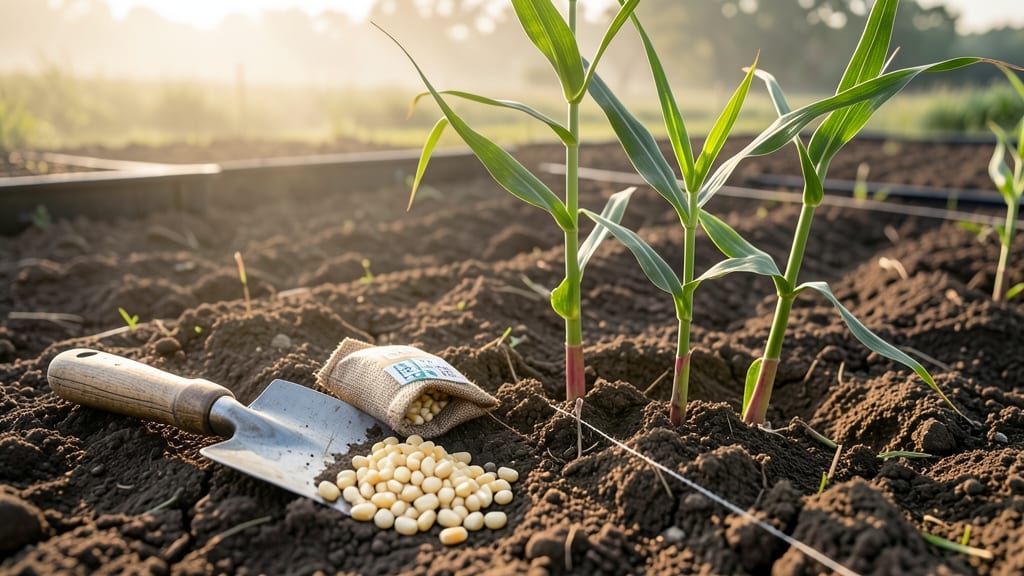
Planting corn in West Virginia at the wrong time can turn your 🌽 dreams into a sad, stunted garden experiment—especially when spring weather plays hide-and-seek with frost dates.
The key to a bountiful harvest lies in knowing exactly when to drop those seeds into warm soil, not just guessing based on the calendar.
West Virginia’s USDA Zone 6a climate means you’ve got roughly mid-April to late May as your sweet spot, but timing isn’t one-size-fits-all. Some years, a late frost sneaks in around April 15, while others let you push planting into early June without worry.
The trick? Waiting until soil temps hit 60°F—no matter what the thermometer outside says.
I’ve learned the hard way that rushing corn into cold ground leads to leggy, weak plants that never produce ears worth harvesting. But get the timing right, and you’ll be pulling golden 🌽 ears from late July through October—just in time for fresh corn on the cob nightly.
Let’s break down exactly how to nail those frost-free windows by county and avoid common pitfalls.
From adjusting for your local microclimate to choosing the right corn varieties for West Virginia’s heat and humidity, this guide cuts through the guesswork. You’ll discover practical tips like soil temperature checks, companion planting tricks, and even how to stretch your planting window with simple tools.
Ready to grow corn that actually thrives?
West Virginia frost-free dates by county: the critical planting window for corn
West Virginia’s diverse microclimates create varying frost-free dates across counties, making precise timing essential for corn success. The average last frost ranges from April 1-15 in southern regions to April 15-30 in northern areas.
Planting too early risks frost damage, while waiting too long may shorten the growing season—critical for 60-120 day varieties common in WV.
For sweet corn, aim to plant 2-3 weeks after your county’s average last frost date. This ensures 100-120 frost-free days before WV’s first fall frost (mid-October). Northern counties like Monongalia or Pocahontas need earlier starts, while southern Putnam or Kanawha counties can plant slightly later.
Use this county-specific guide to pinpoint your ideal planting window. Remember: Soil temperature (not air temperature) is the real indicator—corn seeds need 60°F+ soil to germinate reliably. Test with a soil thermometer before planting.
| County | Avg Last Frost | Plant Window | Best Varieties |
|---|---|---|---|
| Monongalia | April 15-22 | May 1-15 | Early Sunglow, Silver Queen |
| Berkeley | April 1-8 | April 25-May 10 | Peaches & Cream, Bodacious |
| Kanawha | April 10-18 | May 1-20 | Ambrosia, Honey & Pearl |
| Pocahontas | April 25-May 2 | May 15-June 1 | Golden Bantam, Country Gentleman |
| Putnam | April 5-12 | April 25-May 15 | Peaches & Cream, Silver Queen |
For field corn or popcorn, extend your planting window slightly later (mid-May to early June) since these varieties have longer maturity times (90-120 days). Southern counties can push to June 1 for second crops, but avoid planting after July 1—ears won’t mature before frost.
Pro tip: Check WVU Extension’s frost maps (updated annually) for real-time adjustments. 2023 data showed some counties experienced 10-day delays in spring warming—always verify before planting. Use black plastic mulch to warm soil faster in cooler regions like Pocahontas County.
Remember: Corn thrives on warmth. If your county’s soil stays below 60°F past May 15, consider row covers or a cold frame to jumpstart germination. Southern WV gardeners can sometimes plant late March for early varieties, but frost risk remains high.
For succession planting, schedule 2-week intervals through mid-June to ensure a continuous harvest. This works best in USDA Zone 7a (southern WV) but may fail in Zone 6b (northern WV) due to shorter seasons.
Always account for WV’s unpredictable weather. A late-May frost in Monongalia County wiped out unprotected corn in 2020. When in doubt, plant a few extra seeds and thin later—better to have healthy seedlings than risk losing your crop to timing errors.
🌽
How to adjust planting dates for West Virginia’s unpredictable weather patterns
West Virginia’s spring weather can be as unpredictable as a toddler’s mood—one day it’s sunny and warm, the next you’re shoveling snow. That’s why relying solely on calendar dates for planting corn is a recipe for disappointment.
Instead, I’ve learned to use a combination of soil temperature, historical frost data, and flexible planting strategies to maximize my chances of success.
The golden rule for corn planting in WV is to wait until the soil temperature consistently reaches 60°F at 4 inches deep. A simple soil thermometer (only $10 at garden centers) becomes your best friend here.
Cold soil slows germination and leads to weak, leggy plants that never produce ears. I’ve seen corn seeds sprout in pots indoors only to wilt when transplanted into chilly ground—don’t let that happen to you!
Another trick I use is the 5-4-3-2-1 rule for adjusting planting dates. Count backward from your average first fall frost date (typically October 15 in WV) to determine how many days your corn needs to mature.
Most sweet corn varieties take 75-90 days to harvest, so subtract that from your frost date. This gives you a flexible planting window that accounts for late springs or early frosts.
For those who can’t wait for perfect weather, row covers and cold frames are game-changers. I’ve used floating row covers to protect young corn plants from late frosts (even as late as May 10 in some years).
These lightweight fabrics raise soil temperatures by 2-5°F and shield seedlings from wind. Just remember to remove them once plants are established to prevent overheating.
🌱 5 Pro Tips for Adjusting Corn Planting in WV
- 🌡️ Test soil temp daily—corn won’t germinate below 50°F, but 60°F+ is ideal.
- 📅 Plant in blocks, not rows—stagger seeds every 3-5 days for staggered harvests and insurance against frost.
- 🌿 Use black plastic mulch to warm soil 5-10°F faster than bare earth (great for late springs).
- 🌬️ Watch for wind—corn needs calm conditions to pollinate; plant near windbreaks if your garden is exposed.
- 🌅 Extend the season with late plantings—some varieties (like Silver Queen) tolerate cooler soils better than others.
If you’re in a northern WV county like Pocahontas or Webster, where frosts linger longer, consider early-maturing varieties (60-day harvest) planted in late April or early May. Meanwhile, southern counties like Mercer or Putnam can sometimes push planting into early June for a fall harvest.
The key is flexibility—don’t get married to a single planting date.
One year, I planted corn on May 15 in my USDA Zone 6a garden, only to hit a 50°F night that stalled growth. The lesson? Always have a backup plan, like a small batch of seeds ready to direct-sow if conditions improve.
And if all else fails, container growing lets you move plants to warmer microclimates or even indoors during heatwaves.
Remember, corn is a high-stakes crop in WV—get the timing right, and you’ll enjoy fresh ears for weeks. Get it wrong, and you’ll be left with bald stalks and empty silks.
The good news? With these strategies, you’ll turn West Virginia’s weather quirks into advantages rather than obstacles. Happy planting!