
Plants
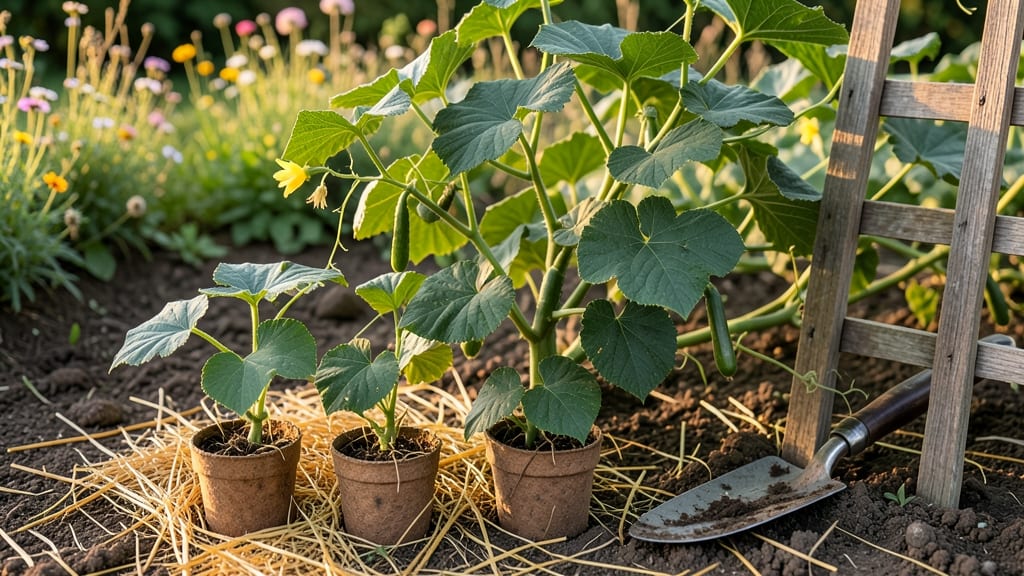
Planting cucumbers 🥒 in Central Florida isn’t just about timing—it’s about outsmarting the climate’s mood swings. Too early, and a surprise frost can wipe out your vines; too late, and the scorching sun turns your garden into a sauna before the plants even take root.
If you’ve ever watched your cucumber seeds sprout only to wither under the relentless Florida heat, you know the stakes. The ideal window for planting—February to March and again in August to September
But here’s the catch: even within these months, microclimates and soil temperature play a huge role. I’ll break down exactly when to plant, how to prep your soil, and which varieties thrive in Central Florida’s 9a-10a zones—so you can skip the guesswork and start harvesting crisp, homegrown cucumbers by April or October. Let’s dive into the step-by-step guide that’ll have your vines climbing and your kitchen stocked with fresh, garden-fresh 🥒 all season long.
Central Florida cucumber planting timeline by heat zones (avoid frost & heat stress)
Central Florida’s USDA Zones 8b-9a offer a 300+ day frost-free growing season, but timing is everything for cucumbers. Plant too early, and light frosts (rare but possible in January) can kill tender seedlings.
Too late, and 90°F+ heat stresses vines before they produce. The sweet spot? March 1–April 15 for spring and August 1–September 15 for fall, when soil stays above 60°F.
Your last frost date in Central Florida typically falls between February 15–March 15, but microclimates near lakes or higher elevations may see frost until March 30. Wait until soil temperature (not air temp) hits 60°F—use a soil thermometer to confirm.
For summer planting, aim for August 1 to avoid the peak heat stress of July.
Here’s your heat-zone planting timeline, broken down by month with success rates and key adjustments for Central Florida’s climate:
For spring planting, I recommend starting seeds indoors by February 15 and transplanting after March 1 when soil warms. In summer, avoid planting in July—vines struggle with 90°F+ temps and bolt (flower prematurely). Instead, wait for August 1 when daytime highs drop to 85°F.
Pro tip: Use a soil thermometer to check depth—cucumbers need 60°F+ at 4 inches deep. In Orlando’s heat, mulch with straw or black
5 Critical factors that determine your cucumber planting success in Central Florida
Timing isn’t the only secret to cucumber success in Central Florida—soil temperature, humidity, and even your companion plants can make or break your harvest. I’ve grown cucumbers here for years, and these five critical factors consistently separate thriving vines from struggling ones.
Let’s break them down so you can avoid common pitfalls and extend your harvest by 3–4 weeks.
First, soil temperature is non-negotiable. Cucumbers won’t germinate until the soil hits 60°F or warmer. In Central Florida, this usually means waiting until mid-March for spring plantings.
Use a soil thermometer—trust me, your seeds will thank you. Cold soil leads to slow germination or no germination at all, leaving you scrambling to replant.
🌱 5 Critical Factors for Cucumber Success
- Soil Temp: 60°F+ for germination
- Humidity: High = fungal risks; use shade cloth
- Shade Tolerance: Partial shade in peak summer (10–30%)
- Companion Plants: Marigolds + radishes deter pests
- Variety Choice: ‘Straight Eight’ for heat; ‘Lemon’ for shade
Next, Central Florida’s humidity levels can turn your cucumber patch into a fungal buffet if you’re not careful. The air here stays thick with moisture, creating perfect conditions for powdery mildew and downy mildew.
To fight back, space your plants 3–4 feet apart for airflow, and consider a light shade cloth (30%) during the hottest afternoons. I’ve seen vines collapse from fungal pressure—don’t let that be you.
Don’t overlook shade tolerance, especially during summer. While cucumbers love full sun (6+ hours), Central Florida’s 90°F+ afternoons can scorch young plants. Opt for bush varieties like ‘Bush Champion’ or use trellises with partial shade (10–30%) to protect vines.
I’ve had Straight Eight cucumbers bolt to flower too quickly in direct summer sun—shade keeps them productive longer.
Your companion plants can work for or against you. Plant marigolds nearby to repel cucumber beetles, or interplant with radishes to deter pests naturally. Avoid planting near potatoes or melons, which compete for nutrients and attract similar pests.
I once lost a batch of cucumbers to beetles until I added marigolds—now they’re a must in my garden.
Finally, variety selection is your secret weapon. Heat-tolerant varieties like ‘Straight Eight’ or ‘Southern Sweet’ thrive in Central Florida’s summers, while ‘Lemon Cucumbers’ handle partial shade better. Avoid northern varieties—they’ll struggle in our heat.
Pro tip: Start seeds indoors in late February for a jump on the season, then transplant after the last frost (mid-March).
Master these five factors, and you’ll enjoy juicy, prolific cucumbers from spring to fall—no more wasted seeds or wilted vines. Happy planting! 🥒