
Plants
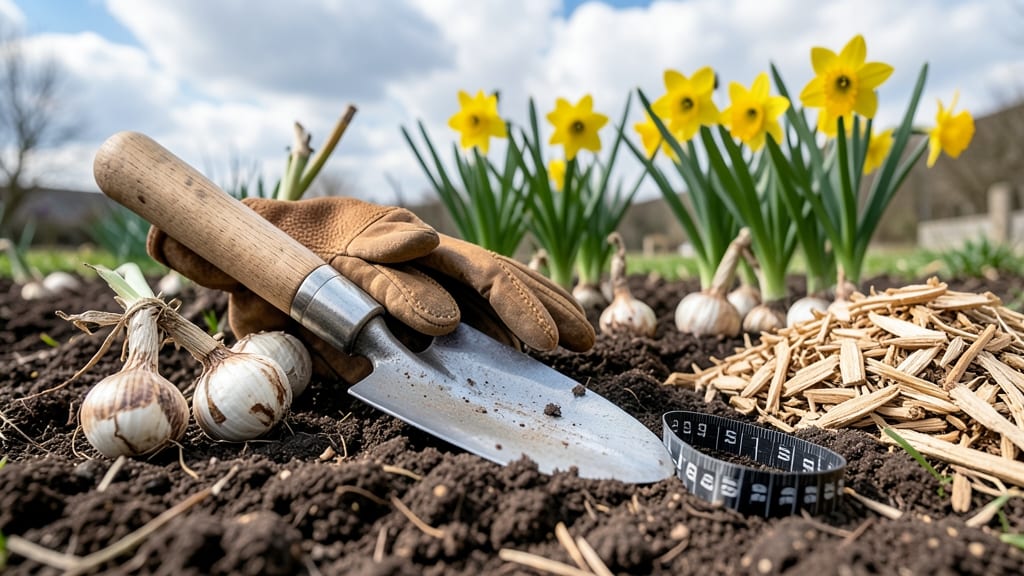
Planting daffodil bulbs at the wrong time in Alabama can mean waiting years for those cheerful 🌼 blooms—or never seeing them at all. The key to reliable spring color lies in matching your planting schedule to the region's chill-hour requirements, which vary between 7b-8a zones.
Most gardeners in Alabama rush to plant too early, only to watch their bulbs rot in warm soil. But timing it just right—4-6 weeks before the first frost—gives those bulbs the perfect balance of cool weather to root while avoiding summer heat stress.
I’ll break down exactly when to plant in your specific zone, how to prep your soil for maximum success, and what to watch for after you tuck those bulbs into the ground. Skip the guesswork and set your daffodils up for vibrant, long-lasting blooms every spring.
Whether you're a first-time gardener or a seasoned pro, these Alabama-specific tips will help you avoid common mistakes and get the most out of your fall planting. Let’s make next spring your brightest yet!
Alabama’s ideal daffodil planting timeline: chill-hours explained
Alabama’s mild winters and occasional warm spells make daffodil planting timing critical for reliable blooms. Unlike northern states, we can’t rely on long, cold winters—chill-hours (32°F–45°F) become our secret weapon.
Most daffodils need 1,000–1,500 chill-hours, but Alabama’s USDA zones 7b–8a often fall short naturally. That’s why we plant early to maximize winter exposure before soil warms.
Your planting window in Alabama runs from mid-October to early November, targeting 4–6 weeks before your first frost date. This gives bulbs time to root before winter sets in.
For example, if your area typically hits 32°F by November 15th, aim to plant by October 20th to ensure roots establish before freezing.
Here’s the chill-hour breakdown for Alabama’s zones: - Zone 7b (north AL): ~1,200–1,400 chill-hours - Zone 8a (south AL): ~800–1,000 chill-hours Daffodils in Zone 8a may need extra-cold-hardy varieties like ‘Tête-à-Tête’ or ‘Ice Follies’ to compensate for fewer chill-hours.
| Zone | Chill-Hours Needed | Ideal Planting Window | Soil Temp for Planting |
|---|---|---|---|
| 7b (North AL) | 1,200–1,500 | Mid-October – Early November | 50–60°F |
| 8a (South AL) | 800–1,000 | Late October – Mid-November | 55–65°F |
🌱 Pro Tip: Use a soil thermometer to confirm temps—plant when soil is 50–65°F depending on your zone.
To calculate your local chill-hours, check NOAA’s climate data for your county or use a chill-hour calculator like the one from the University of Georgia Extension.
For example, Huntsville (Zone 7b) typically accumulates 1,300 chill-hours, while Mobile (Zone 8a) only hits 900–1,000. Adjust your variety choice accordingly.
If you’re in Zone 8a and worried about insufficient chill, try ‘February Gold’ or ‘Solfatare’, which bloom earlier and tolerate warmer winters. These varieties often skip the chill requirement entirely, making them ideal for Alabama’s milder climate.
Watch for soil temperature shifts—if your soil stays above 60°F for more than 2 weeks after planting, bulbs may sprout prematurely and get damaged by a late frost.
To prevent this, mulch heavily with 4–6 inches of straw or shredded leaves after planting. This insulates bulbs and regulates soil temperature.
Another critical factor is moisture consistency. Daffodil bulbs need even moisture during root establishment (first 6–8 weeks after planting). In Alabama’s dry falls, water deeply once a week until the ground freezes. Overwatering can cause rot, but underwatering leads to poor root growth—neither helps your bulbs survive winter.
Timing isn’t just about the calendar—it’s about weather patterns. If your area experiences unseasonably warm spells in late fall (like the 2022–2023 winter in Birmingham), delay planting until mid-November to avoid encouraging early sprouting.
Always have a backup plan: store bulbs in a cool, dark place (like a garage) if frost arrives unexpectedly early.
Finally, mark your planting locations with biodegradable flags or a simple sketch of your garden. Alabama’s mild winters can make it hard to remember where bulbs are planted, and you’ll want to avoid disturbing them in early spring when they’re most vulnerable.
Step-by-step daffodil planting guide for Alabama gardens
Now that you know the ideal chill-hour window, let’s dive into the hands-on process of planting daffodil bulbs in Alabama. The key is to mimic their natural fall planting rhythm while accounting for our region’s unpredictable frost dates.
Start by selecting a well-draining location with at least 6 hours of sunlight daily—this is non-negotiable for healthy blooms.
Before you plant, loosen the soil to a depth of 12 inches using a garden fork or tiller. Alabama’s clay-heavy soils can compact easily, so amending with compost or aged manure improves drainage and nutrient availability.
Aim for a soil pH between 6.0 and 7.0, which daffodils prefer for optimal root development.
- 📅 Choose Your Window: Plant bulbs 4–6 weeks before your average first frost date (typically late October to early November in Alabama).
- 🌱 Plant Depth: Dig holes 6–8 inches deep—about 3 times the bulb’s height. This protects roots from freezing and ensures stability.
- 📏 Spacing: Space bulbs 4–6 inches apart in rows 6 inches apart for easy maintenance and airflow, which reduces disease risk.
- 🪴 Orientation: Place bulbs with the pointy end up—this ensures proper growth direction and prevents stunted stems.
- 🌿 Mulch Lightly: Cover planted areas with 2–3 inches of mulch (straw or shredded leaves) to insulate bulbs from temperature swings and retain moisture.
- 💧 Water Immediately: Give bulbs a deep watering after planting to encourage root establishment before winter dormancy.
One of Alabama’s biggest challenges is erratic freeze-thaw cycles, which can heave bulbs out of the ground. To combat this, plant bulbs in raised beds or containers if your yard has heavy clay or poor drainage.
These methods also make it easier to control soil conditions and protect bulbs from voles or squirrels, which love to snack on tender daffodil roots.
After planting, mark your daffodil locations with biodegradable flags or landscape fabric markers. Alabama’s mild winters can make it hard to remember where bulbs are planted, and you’ll want to avoid disturbing them in early spring.
Once foliage appears in late winter, avoid cutting it back until it yellows naturally—this ensures the bulb stores enough energy for next year’s blooms.
Finally, resist the urge to fertilize right after planting. Daffodils need time to establish roots before they can utilize nutrients. Instead, apply a light layer of compost around the base in early spring when shoots emerge.
This timing aligns with their natural growth cycle and prevents overfeeding, which can lead to weak stems or fewer blooms.
With these steps, your daffodils will emerge stronger and more vibrant than ever, proving that Alabama’s climate isn’t a barrier—just a puzzle to solve with the right timing and care. 🌼