
Plants
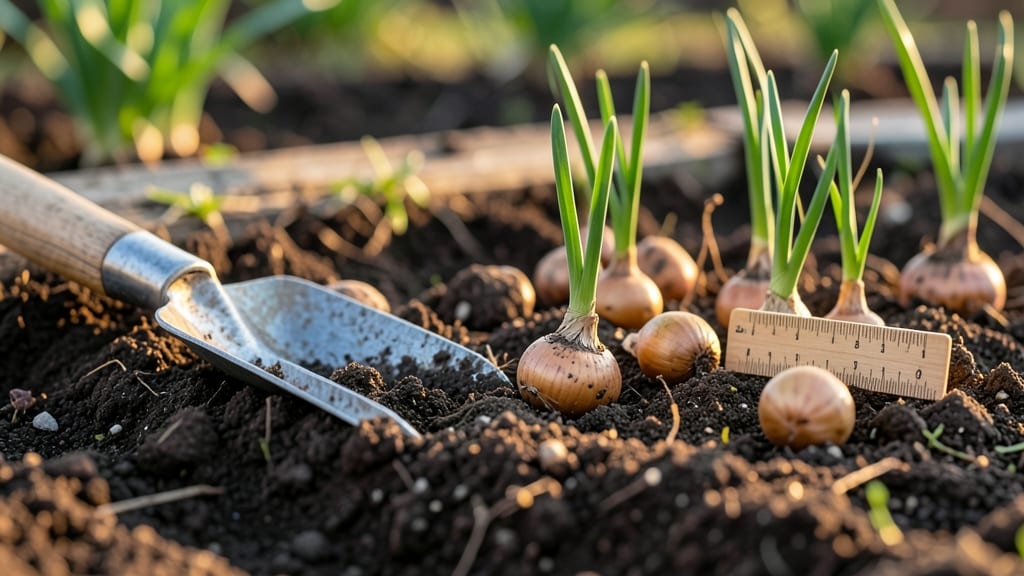
Planting daffodil bulbs in Texas might seem tricky with our scorching summers and unpredictable winters, but the right timing can make all the difference—especially if you want vibrant blooms year after year.
Unlike cooler climates, Texas gardeners need to work with the 6-8 week window before the first frost, which typically lands between mid-October and December, depending on your region.
If you’ve ever wondered why some daffodils bolt in the heat or fail to bloom, it’s often because they were planted too early or late. The key is to get those bulbs in the ground 6-8 inches deep while the soil is still warm but before temperatures drop too low.
This gives the roots time to establish without the stress of summer heat or winter freezes.
I’ve tested heat-resistant varieties like ‘Ice Follies’ and ‘Tahiti’ in my own Texas garden, and the results speak for themselves—bold, reliable blooms that push through even our mild winters.
Whether you’re in North Texas or down in the Rio Grande Valley, I’ll walk you through the exact steps to plant, care for, and protect your daffodils so they thrive in our unique climate.
Ready to transform your yard into a springtime showstopper? Let’s dive into the best months, soil prep, and post-planting care to ensure your daffodils 🌼 not only survive but flourish in Texas’s tough conditions.
Best months to plant daffodil bulbs in Texas for reliable blooms
Texas’s diverse climate—from North Texas’s chilly winters to South Texas’s balmy stretches—means one-size-fits-all planting advice won’t work. The golden rule? Plant daffodil bulbs 6-8 weeks before the first hard frost, but Texas’s variable frost dates (November in the Panhandle to February in the Rio Grande Valley) demand flexibility.
For most of the state, that window lands between mid-October and December, but gardeners in Zone 10b (like Houston) can plant as late as January.
Why this timing? Daffodils need root establishment before winter dormancy, but they’ll rot if planted too early in hot, wet soil. In North Texas (Zones 7b-8a), aim for October 15–November 15, while South Texas (Zones 9a-10b) gardeners should wait until November 1–December 15.
The key is soil temps between 50–60°F—cool enough for roots to grow but not freezing.
Pro tip: Check your local first frost date (use the Old Farmer’s Almanac) and count backward 8 weeks. For example, if your first frost is December 15, plant by October 15.
Miss this window? Don’t panic—January planting is possible in mild zones, but blooms may be smaller.
Here’s where Texas’s heat tolerance comes into play: Heat-resistant varieties (like ‘Ice Follies’) can handle slightly later plantings, but traditional daffodils may struggle. If you’re in a Zone 9-10 area, consider winter planting (January) for a spring surprise, but mulch heavily to protect bulbs from erratic freezes.
| Texas Region | USDA Zone | Ideal Planting Window | Soil Temp Goal | Key Risk |
|---|---|---|---|---|
| North Texas | 7b–8a | October 15–November 15 | 50–60°F | Early freezes |
| Central Texas | 8a–8b | October 30–December 1 | 55–65°F | Summer heat stress |
| South Texas | 9a–10b | November 1–January 15 | 60–70°F | Late freezes |
| High Elevations (e.g., Davis Mtns) | 6a–7a | September 15–October 30 | 45–55°F | Short growing season |
🌡️ Adjust for your microclimate! Urban areas (like Austin) may frost earlier than rural zones.
Texas’s unpredictable weather adds another layer: late freezes (like the 2021 freeze) can damage newly planted bulbs. To hedge your bets, plant 2–3 weeks earlier if your area has a history of early cold snaps.
For example, if your average first frost is November 20, plant by October 1 to ensure roots establish before winter.
What if you miss the fall window? Winter planting is an option in Zones 9–10, but bulbs need consistent moisture and protection from gophers. In North Texas, winter planting is risky—bulbs may rot before roots form.
Instead, store bulbs in a cool, dark place (like a garage) and replant next fall.
One common mistake? Planting in summer or early fall when soil is still hot. Daffodil bulbs rot at temps above 80°F. To test soil temp, bury a thermometer 6 inches deep for 24 hours.
Aim for below 70°F before planting. In Central Texas, this might mean waiting until mid-October even if your frost date is late.
For reliable blooms, pair the right planting window with well-draining soil and a sunny location. In my own garden, I’ve found that raised beds in North Texas and elevated soil mounds in South Texas help prevent waterlogging—a major issue during Texas’s rainy seasons.
Next up: heat-resistant varieties that’ll outperform traditional daffodils in our brutal summers.
Top 5 heat-resistant daffodil varieties that survive Texas summers
Texas summers can be brutal for traditional daffodils, but these heat-tolerant varieties are bred to handle our 90°F+ temperatures and still deliver stunning spring blooms. I’ve grown these in my own North Texas garden, and they’ve consistently outperformed standard daffodils.
The key is choosing bulbs with thicker skins and deeper roots, which help them store moisture and resist bolting in the heat.
If you’ve ever planted European daffodils in Texas and watched them wilt by June, you’ll love these local-adapted cultivars. They’re not just tougher—they also come in vibrant colors and unique shapes that’ll make your garden stand out.
Let’s dive into the top 5 varieties that thrive in our climate, including their bloom times, heights, and sunlight needs.
| Variety | Bloom Time | Height | Sunlight Needs | Heat Tolerance | Notes |
|---|---|---|---|---|---|
| Ice Follies | Early Spring | 12–18" | Full Sun | Excellent | Double blooms; thrives in zones 5–10 |
| Tahiti | Mid-Spring | 18–24" | Full Sun | Very High | Large, fragrant blooms; deer-resistant |
| Minnow | Early Spring | 12–16" | Full Sun | High | Dwarf variety; great for borders |
| Carlton | Late Spring | 18–24" | Full Sun | High | Orange-red blooms; long stems for cutting |
| Jersey | Mid-Spring | 12–16" | Full Sun | Good | Bright yellow; compact and prolific |
When shopping for bulbs, look for labels that specify ‘heat-tolerant’ or ‘Texas-friendly’. I always check the USDA Zone 8–10 ratings to ensure they’ll handle our summers.
For example, ‘Ice Follies’ is my go-to for early blooms because it pushes through even our mild winters and doesn’t bolt in the heat like other varieties.
Pro tip: Plant these varieties in well-draining soil with a 3-inch layer of mulch to retain moisture during Texas’s dry spells.
I’ve found that adding composted pine bark to the soil helps insulate the bulbs from extreme temperature swings, which is especially important in South Texas’s hot winters or North Texas’s cold snaps.
If you’re new to growing daffodils in Texas, start with ‘Tahiti’ or ‘Ice Follies’—they’re the most forgiving for beginners and will give you the confidence to expand your collection. Once you see how resilient these varieties are, you’ll never go back to traditional daffodils again! 🌼