
Plants
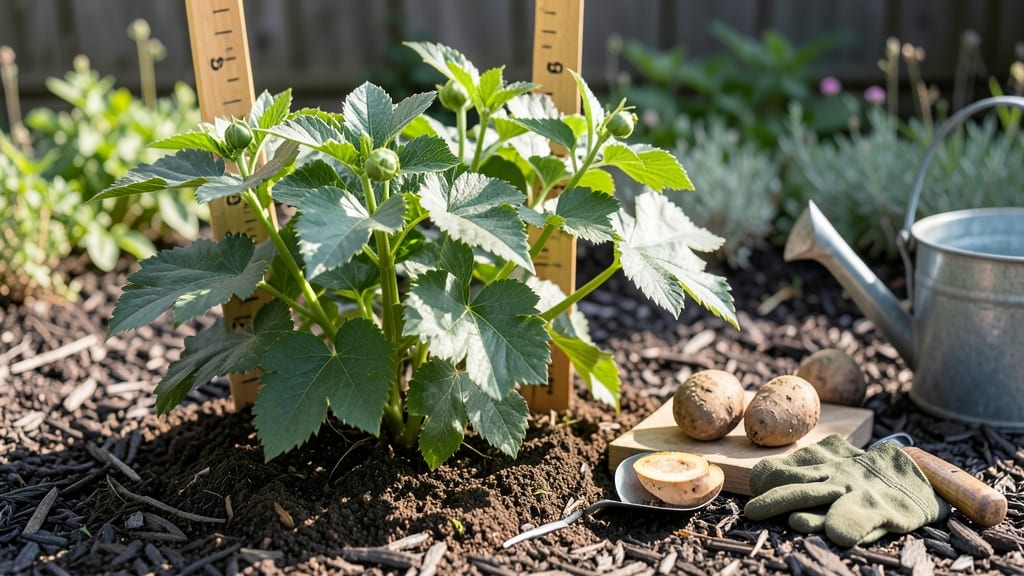
Planting dahlias in South Africa at the wrong time can mean the difference between a stunning summer display and wasted effort. The key is timing it perfectly—whether you're in frost-prone Johannesburg or the milder coastal areas of Cape Town.
With 9b-10a zones across the country, your 🌼 dahlia planting window shifts dramatically. Spring planting in September-October gives you vibrant blooms by summer, while February-March offers a second chance for late-season varieties. But get it wrong, and you risk stunted growth or frost damage.
I’ll show you exactly when to plant in your region, how to prepare soil for maximum tuber survival, and simple tricks to extend your blooming season—so you can enjoy these showstoppers from November through May.
Ready to unlock zero-frost success? Let’s dive into the heat-zone guide that’ll have your dahlias thriving all season long.
South Africa’s dahlia planting calendar by heat zone: exact months for zero-frost success
South Africa’s microclimates create a puzzle for dahlia lovers—plant too early in frost-prone zones like Johannesburg, and your tubers freeze; wait too long in coastal heat zones like Cape Town, and summer droughts stress your blooms.
The solution? Zone-specific planting windows that align with your last frost date and seasonal rainfall.
Dahlias are frost-sensitive tubers, so timing is everything. In USDA Zone 9b (Johannesburg, Pretoria), aim for mid-September when soil temps hit 15°C+. Coastal areas in Zone 10a (Cape Town, Durban) can plant as early as late August, thanks to milder winters.
The key is soil warmth, not air temperature—stick your finger in the soil; if it’s cold and damp, wait a week.
Here’s how to match your region’s last frost date with the ideal planting window for maximum tuber survival:
| Region | USDA Zone | Last Frost | Planting Window | Soil Prep Tip |
|---|---|---|---|---|
| Johannesburg/Pretoria | 9b | July 15 | Mid-Sept to early Oct | Add compost to heavy clay soils |
| Cape Town | 10a | June 1 | Late Aug to Sept | Mulch with gravel to prevent rot |
| Durban/Pietermaritzburg | 10a | May 15 | Sept to early Oct | Test pH 6.5-7.0; amend if needed |
| Free State/Lesotho | 8a | July 30 | Late Sept to Oct | Use raised beds for warmth |
For coastal gardeners, consider a second planting in February-March for late-season blooms. This works in Zone 10a where winters are mild, but avoid it in colder zones—dahlias need 60+ frost-free days to mature.
Pro tip: Pre-sprout tubers indoors 4-6 weeks before your zone’s planting window. Place them in potting mix at 18°C and watch for green shoots. This gives you a 2-week head start on the season, especially useful in high-altitude areas like Bloemfontein.
Soil preparation is just as critical as timing. Dahlias hate soggy roots, so amend your beds with sand or perlite if your soil drains poorly. A well-draining mix prevents tuber rot, the #1 killer of newly planted dahlias in South Africa’s summer rainfall zones.
After planting, mulch heavily with straw or wood chips to retain moisture and regulate soil temperature. In drought-prone areas like the Western Cape, this can mean the difference between wilting blooms and vibrant, long-lasting flowers. Water deeply once a week after planting to encourage root growth.
Watch for early signs of stress: yellowing leaves or stunted growth often mean your dahlias are too cold or too wet. Adjust your care based on your region—coastal gardeners may need to water more frequently, while inland growers should focus on frost protection.
With the right timing and prep, your dahlias will reward you with months of blooms, from November through May. The secret? Know your zone, prep your soil, and plant when the stars align—literally, when the last frost has passed and the sun shines warm.
How to extend your dahlia season in South Africa: tubers, mulching, and frost-proofing hacks
Want dahlias blooming from spring to autumn? The secret lies in strategic season extension—because South Africa’s frost-free zones and warm winters let you push boundaries. I’ve grown dahlias in Cape Town’s coastal warmth and Johannesburg’s cooler highveld, and these tricks work in both.
Start by pre-sprouting tubers indoors 4-6 weeks before your last frost date. Place them in moist perlite or vermiculite at 18-20°C—sprouts appear in 2-3 weeks, giving you a head start. For cooler regions, this means starting in late July.
⚠️ CRITICAL: Never plant sprouted tubers too early—soil must be warm (above 10°C) or roots will rot. Test with a soil thermometer or wait until mid-September for most areas.
🌱 5 Proven Season-Extension Hacks for South African Dahlias
- 🌱 Pre-sprout tubers: Start indoors 4-6 weeks before last frost (July-August for inland areas).
- 🌡️ Use black plastic mulch: Raises soil temp by 3-5°C—plant tubers directly on mulch for faster growth.
- ❄️ Frost cloths for late bloomers: Cover plants after May 15 in frost-prone areas (e.g., Johannesburg).
- 🪴 Container growing: Move pots to sheltered spots or greenhouses in winter to extend blooming.
- 🌿 Succession planting: Plant new tubers every 2 weeks from September to February for nonstop blooms.
For coastal gardeners, mulching is non-negotiable. Use straw or wood chips (5-7cm thick) to retain moisture and insulate roots. In summer-rainfall zones like the Western Cape, mulch also prevents soil erosion during heavy downpours.
In frost-prone areas, microclimates save dahlias. Plant near south-facing walls or under deciduous trees—these spots stay 2-3°C warmer at night. For late-season bloomers, wrap stems in bubble wrap or use frost cloths after May 15.
Pro tip: Harvest tubers early if frost threatens. Dig up mature tubers in late May, cure them in shade for 2 weeks, then store in sand or peat moss at 5-10°C. Replant in February for a second bloom cycle.
With these tricks, I’ve had dahlias flowering from November to April—even in Johannesburg’s cooler climate. The key? Plan ahead, protect roots, and leverage microclimates. Your garden will thank you with nonstop color all season long. 🌼