
Plants
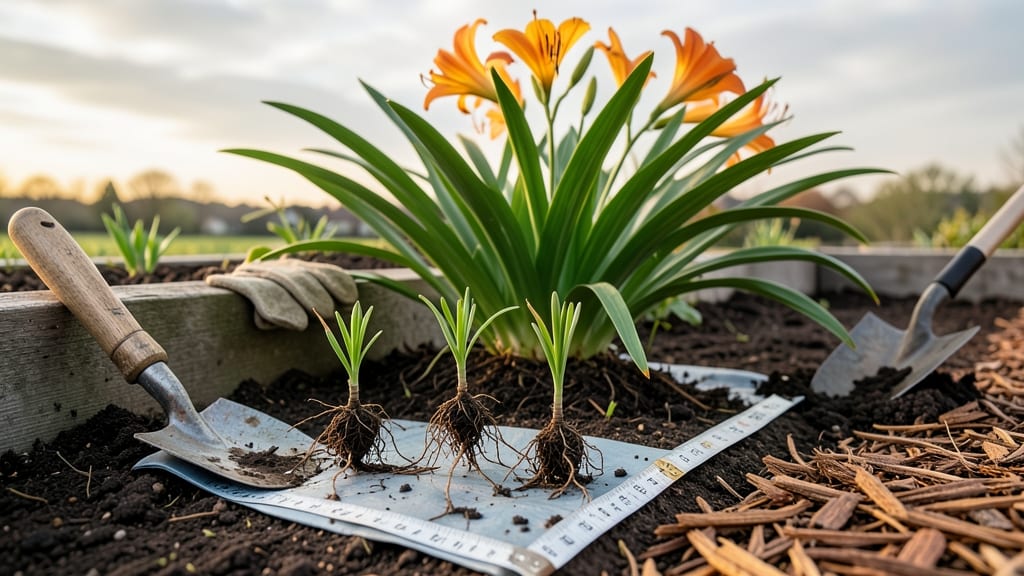
Planting daylilies 🌸 in Texas isn't just about grabbing a shovel—it's about outsmarting the heat and avoiding the frost-free chaos that can turn your garden dreams into a sad, wilted mess.
I’ve learned the hard way that timing these perennials wrong means struggling with weak roots or heat-stressed blooms. But here’s the good news: Texas gardeners can actually plant daylilies during two perfect windows—fall or early spring—when the soil is just right and the weather plays nice.
Whether you’re in North Texas where frost lingers or the Gulf Coast where summer never really quits, I’ll break down the exact months to dig in for zero-frost survival and vibrant blooms all season.
Ready to skip the guesswork? Let’s get your daylilies in the ground at the perfect moment—no more waiting for "someday" in the Texas heat.
Best months to plant daylilies in Texas by climate Zone
Texas’ diverse climate zones—from North Texas’ chilly winters to South Texas’ year-round heat—mean daylilies thrive in different windows. North Texas (Zones 7b-8a) offers February–March planting before heat peaks, while Central Texas (Zones 8a-9a) benefits from March–April timing. South Texas (Zones 9b-11) gardeners can plant September–November or February–March to avoid summer’s extreme heat.
Always check last frost dates—North Texas averages February 15, while South Texas rarely sees frost.
Daylilies’ heat tolerance makes them ideal for Texas, but soil temperature is critical.
Plant when soil reaches 60°F+—use a soil thermometer to confirm. Spring planting (March–April) aligns with Texas’ rainfall patterns, reducing irrigation needs. Fall planting (September–November) works in South Texas but risks winter dieback in North Texas if planted too late.
Key temperature thresholds: Avoid planting when daytime highs exceed 95°F (common in June–August). North Texas can plant 1–2 weeks earlier than Central Texas due to cooler springs. South Texas extends fall planting until November 15 to capitalize on winter blooms before summer heat returns.
| Texas Zone | Best Planting Months | Soil Temp Requirement | Last Frost Date | Key Considerations |
|---|---|---|---|---|
| North Texas (7b-8a) | February–March | 60°F+ | February 15 | Cool springs; risk of late frost |
| Central Texas (8a-9a) | March–April | 65°F+ | March 15 | Moderate heat; ideal rainfall |
| South Texas (9b-11) | September–November or February–March | 70°F+ | January 15 | Year-round heat; extend fall window |
For North Texas gardeners, prioritize early spring planting (February–March) to avoid summer stress. Central Texas benefits from March–April timing, when daytime temps stabilize above 70°F. South Texas can plant twice yearly: fall (September–November) for winter blooms or early spring (February–March) to beat summer heat.
Always amend clay soils with compost to improve drainage—Texas’ heavy clay can suffocate roots.
Microclimates matter: Urban areas like Dallas or Houston may experience heat islands, delaying planting by 1–2 weeks. Rural areas with cooler nights can plant earlier. Use shade cloth if planting in June–August—daylilies tolerate partial shade (4–6 hours of sun) in extreme heat.
Pro tip: Divide daylilies in fall (October–November) to replant in spring. This two-step process ensures established roots by summer. Fall-divided plants often bloom earlier the following spring due to head starts on root growth during cooler months.
Watch for Texas-specific pests like daylily rust or aphids, which thrive in humid summers. Neem oil or insecticidal soap applied post-planting can prevent outbreaks. Mulch with pine straw to suppress weeds and retain moisture—critical in West Texas’ dry spells.
If you miss traditional windows, container planting extends flexibility. 5-gallon pots with well-draining soil let you move plants to shade during heatwaves. Dwarf varieties like ‘Little Grapette’ thrive in containers, making them ideal for balconies or patios in urban Texas.
Remember: Daylilies’ first year focuses on root establishment, not blooms. Skip fertilizer the first year—overfeeding stresses new plants. Water deeply (1–2 inches per week) but reduce frequency once established. Texas heat hardens daylilies over time, but proper timing sets the stage for years of low-maintenance blooms. 🌸
How to extend daylily planting season in Texas heat
Texas’ scorching summers and unpredictable winters make traditional planting windows tricky for daylilies. But with the right strategies, you can plant these hardy perennials outside the ideal February–April window. The key? Soil prep, shade protection, and mulching to beat the heat and cold.
Let’s break down how to extend your planting season for zero-frost survival and vibrant blooms.
Fall planting is a game-changer for Texas gardeners. By planting daylilies in September–November, you give roots time to establish before winter’s chill. This method works especially well in Central and South Texas, where frost is rare.
For North Texas, aim for late September to avoid early frost. The trick? Choose heat-tolerant varieties and prep the soil with organic matter to retain moisture.
🌱 Did You Know? Daylilies planted in fall often bloom earlier the following spring because they’ve already established a strong root system. In South Texas (Zone 9–11), you can even plant as late as December, though growth slows during cooler months. The secret? Mulch heavily (3–4 inches) to insulate roots and conserve water.
If you’re planting in summer (June–August), focus on soil moisture retention. Mix hydrated mulch (like coconut coir) into the top 6 inches of soil to lock in water. Pair this with a drip irrigation system set to water early morning (before 8 AM) to minimize evaporation.
This method lets you plant daylilies as late as July in South Texas, though growth will be slower until cooler weather arrives.
For North Texas gardeners, extending the planting season means working with fall’s shorter window. Plant in late September and protect with straw mulch (4–6 inches) to insulate roots during winter dips below 20°F.
Choose cold-hardy varieties like 'Happy Returns', which tolerates Zone 4–10 and blooms reliably even after early frosts.
Pro tip: Divide and replant established daylily clumps in early fall (September) or late winter (January–February). This refreshes plants and lets you fill gaps in your garden without stressing new roots. Just ensure the crown stays above soil level—burying it too deep causes rot in Texas’ humid summers.