
Plants
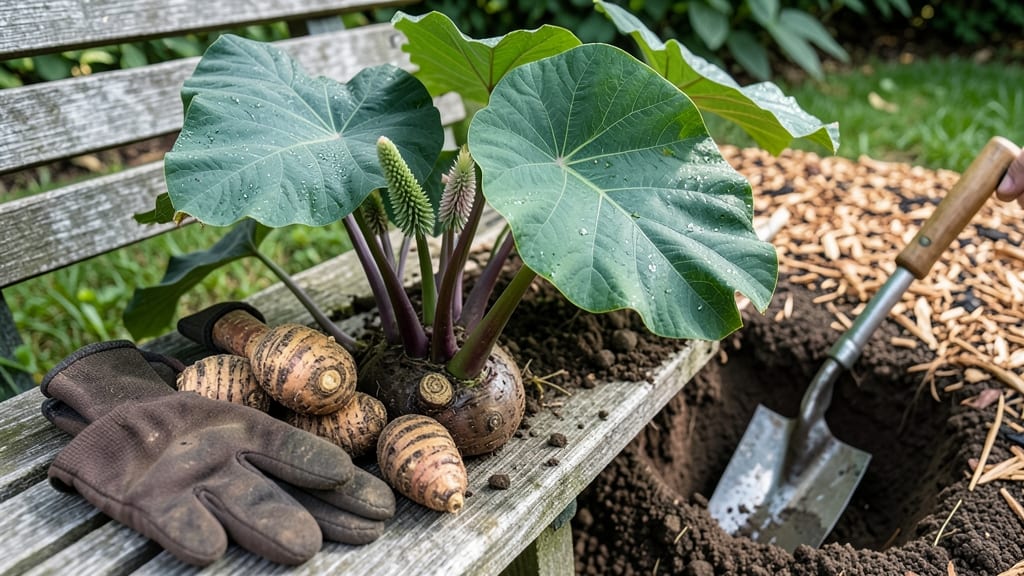
Planting elephant ear bulbs at the wrong time in Georgia can mean the difference between stunning 🌿 foliage and sad, frost-nipped leaves. Since Georgia’s last frost typically hits around March 15, waiting until after that date ensures your tubers have the warm soil they crave to thrive.
But here’s the catch: not all elephant ear varieties play by the same rules. Cold-hardy types like Colocasia can handle Zone 7a-8b springs, while tropical Alocasia types need even warmer soil. I’ll break down the exact frost-free window for each, so you can plant with confidence and avoid common mistakes.
You’ll also discover how to prep your tubers for spring planting—whether chilling is needed or if you can dive right in. Plus, I’ll share the best soil conditions to set your elephant ears up for 3-5 feet of lush growth all season long.
Ready to transform your garden? Let’s get those bulbs in the ground at the perfect moment—no guesswork, just gorgeous results.
Georgia’s frost-free planting calendar for elephant ear bulbs by variety
Elephant ear bulbs thrive in Georgia’s Zone 7a–8b climate, but the timing depends on whether you’re growing cold-hardy Colocasia or tropical Alocasia varieties. Most gardeners in Georgia plant after the last frost date, which typically falls between mid-March and early April, depending on your region.
For example, Atlanta’s last frost usually occurs around March 15, while Savannah’s can be as late as March 30. If you plant too early, frost can kill tender tubers, while planting too late may reduce the plant’s growth window.
Cold-hardy Colocasia varieties like ‘Black Stem’ or ‘Illustris’ can handle Zone 7a springs, but tropical Alocasia types (like ‘Polly’ or ‘Frydek’) need warmer soil—wait until soil temps reach 60°F before planting.
Here’s a quick reference for Georgia’s frost-free planting window by variety:
| Variety Type | Planting Window | Soil Temp Requirement | Georgia Regions |
|---|---|---|---|
| Cold-Hardy Colocasia | Mid-March to early April | 50°F+ | Atlanta, Augusta, Athens |
| Tropical Alocasia | Late April to early May | 60°F+ | Savannah, Brunswick, coastal areas |
| Hybrid Varieties | Early April to mid-April | 55°F+ | All regions |
If you’re unsure about your last frost date, check the National Weather Service or use a frost calendar for your specific Georgia county. For example, Augusta’s last frost often arrives by March 20, while Valdosta’s may wait until March 25.
Pro tip: If you’re planting in February, cover tubers with mulch or frost cloth to protect them from unexpected cold snaps. This gives you a head start while keeping your plants safe.
For container gardening, you can plant tropical varieties slightly earlier (late March) since pots warm up faster in the sun. Just ensure your containers have drainage holes to prevent root rot.
Once planted, keep soil consistently moist but not soggy—elephant ears love partial shade (4–6 hours of sunlight daily) and rich, well-draining soil. With the right timing, you’ll see 3–5 foot foliage by summer!
Signs your Georgia garden is ready for elephant ear planting (beyond dates)
Counting down the days until the last frost is helpful, but Georgia’s unpredictable spring weather means you should also watch for soil temperature and local microclimate signs before planting elephant ear bulbs. Cold soil can stunt growth, while warm soil speeds up sprouting—both critical for your plants’ success.
First, check your soil temperature using a soil thermometer. Cold-hardy Colocasia varieties need soil at 50°F+, while tropical Alocasia types require 60°F+ to thrive. If your soil is still chilly, wait a few more days—rushing can lead to slow growth or rot.
Next, observe your garden’s local microclimate. Areas near large trees or buildings may warm up faster than open spaces, creating a 2–3 week difference in planting readiness. For example, Atlanta’s downtown often warms up earlier than rural areas 30 miles away.
Here are the key signs your garden is ready for planting:
- Soil temperature reaches 50°F+ (Colocasia) or 60°F+ (Alocasia)
- Daytime temperatures consistently stay above 60°F for at least 5 days
- Nearby dandelions or clover are actively growing (signs of warming soil)
- No more frost warnings in your local 10-day forecast
- Your hardiness zone (7a–8b) has passed the average last frost date
If you’re planting in containers, place them in a sunny spot a few days before planting to warm the soil faster. Containers heat up quicker than garden beds, so you can often plant tropical varieties 1–2 weeks earlier than in-ground.
One more trick: Plant a test tuber 1–2 weeks before your target date. If it sprouts within 7–10 days, your soil is ready. If not, wait another week—this simple test saves you from planting too soon and risking frost damage.
Finally, prepare your planting site by amending the soil with compost or aged manure for nutrient-rich growth. Elephant ears thrive in moist, well-draining soil with partial shade, so choose a spot with morning sun and afternoon shade for the best results.