
Plants
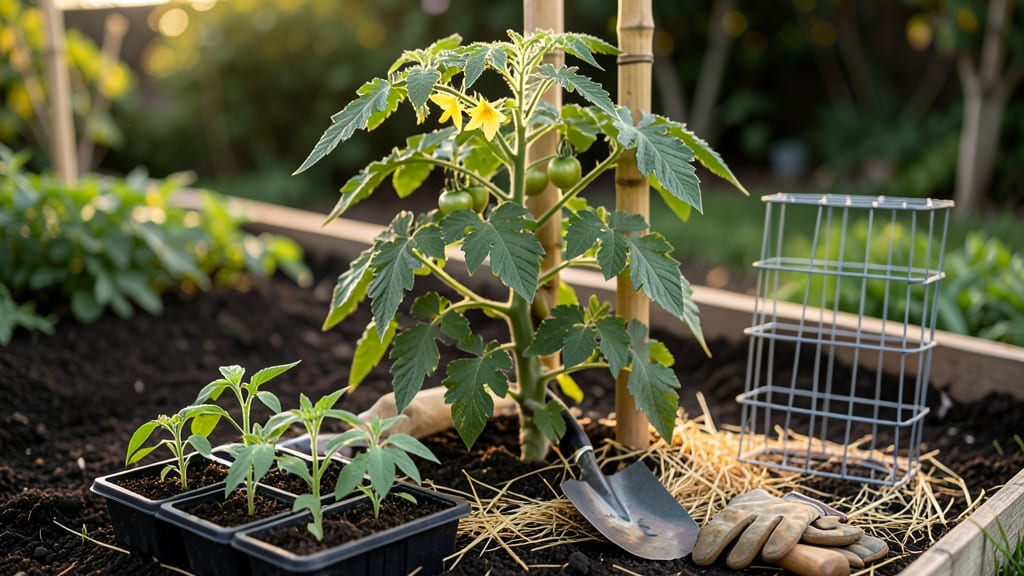
Planting fall tomatoes in North Texas isn't just about throwing seeds in the dirt—it's a delicate timing game that can mean the difference between a bountiful harvest and wasted effort.
If you get the schedule wrong, your 🍅 plants could either burn under late-summer heat or get nipped by early frost before they ripen.
I've learned the hard way that the ideal window is August through early September, when soil temps cool enough to support strong root growth but still leave 60-85 days before that November 15 frost date.
But here's the catch: not all tomato varieties play nice in North Texas' heat, and even the best timing won't help if you skip these critical prep steps.
What if I told you there's a week-by-week schedule that accounts for your specific microclimate—whether you're in Dallas, Waco, or Abilene?
We'll cover exactly when to transplant heat-tolerant varieties, how to prep your soil for fall success, and the 3 biggest mistakes gardeners here make that kill their harvest before it starts.
Ready to grow tomatoes that actually make it to your table? Let's dive into the precise timing and care your North Texas garden needs for a fall harvest that'll put store-bought to shame.
Exact North Texas fall tomato planting weeks by variety type
North Texas gardeners face a tight window for fall tomatoes—just 6-8 weeks before the average November 15 frost. But with the right timing, you can still harvest ripe tomatoes in October.
The key? Planting transplants (not seeds) in late summer when soil temps drop below 90°F but stay above 60°F.
Your planting schedule depends on whether you grow determinate (bush) or indeterminate (vining) varieties. Determinate types mature faster (60-70 days) and are better for late starts, while indeterminate varieties need 75-85 days and should be planted earlier.
Let’s break it down by week for Dallas-Fort Worth, Waco, and Abilene.
🌱
| Variety Type | Planting Window | Soil Temp Threshold | Days to Maturity | Best For |
|---|---|---|---|---|
| Determinate (Bush) | Late August - Early September | 60-65°F | 60-70 days | Containers, small spaces |
| Indeterminate (Vining) | Early August - Mid-August | 65-70°F | 75-85 days | Trellises, large gardens |
| Heat-Tolerant Hybrid | Mid-August - Late August | 70-75°F | 70-80 days | Extended harvest |
| Cherry Tomatoes | Late August - Early September | 60-65°F | 65-75 days | Snacking, containers |
For Dallas-Fort Worth, aim for August 15-31 for indeterminate varieties and September 1-15 for determinate types. In Waco and Abilene, push back 1-2 weeks later due to slightly cooler nights. Always check your local first-frost date—some years, it arrives as early as November 1.
Use a soil thermometer to confirm temps. Tomatoes won’t thrive if soil stays above 85°F for more than a few days. If your garden is still scorching in late August, opt for shade cloth or delay planting until early September.
Pro tip: Plant heat-tolerant varieties like 'Solar Fire' or 'Heatmaster' in late August to maximize your harvest window. These varieties can handle 90°F+ temps better than standard types, giving you an extra 2-3 weeks of growth.
After planting, focus on consistent watering (deep soaks every 2-3 days) and mulching to retain moisture. Avoid fertilizing heavily—too much nitrogen now will delay fruiting. Instead, use a balanced 5-10-10 fertilizer sparingly to encourage root growth.
🌿
If you miss the ideal window, don’t despair! You can still try container gardening with fast-maturing varieties like 'Tiny Tim' or 'Patio Princess.' These determinate types can produce harvests in as little as 55 days, giving you a chance to enjoy tomatoes even with a late start.
Remember: The goal is to have ripe tomatoes on the vine by mid-October. With the right timing and care, you’ll be enjoying homegrown tomatoes long after your neighbors’ gardens have gone dormant.
Critical mistakes to avoid when planting fall tomatoes in North Texas
Even with perfect timing, fall tomato failures often come down to overlooked details. I've seen seasoned gardeners lose their entire crop because they skipped one of these common pitfalls. Let's tackle the top 3 mistakes that derail North Texas fall tomato gardens—and how to fix them before they happen.
The first big mistake? Ignoring soil temperature. Many gardeners focus on air temps but forget that soil needs to be at least 60°F for roots to establish. If you plant too early when soil is still warm from summer, your seedlings will stress out and struggle to grow.
Use a soil thermometer to check before planting—it's the only way to know for sure.
Overcrowding seedlings is another silent killer. I've seen gardeners squeeze in too many plants to "maximize yield," but this leads to poor air circulation and fungal diseases like early blight. Space determinate varieties 2-3 feet apart and indeterminate types 3-4 feet apart. Trust me, a little extra space now means healthier plants and more tomatoes later.
🚨 CRITICAL MISTAKE: Skipping mulch in fall gardens. Without mulch, soil cools too quickly at night, shocking your plants. Apply 2-3 inches of straw or shredded leaves right after transplanting to retain heat and suppress weeds.
This simple step can mean the difference between a thriving plant and one that gives up before harvest.
Rushing your transplant schedule is a recipe for disaster. If you move seedlings too early, they'll struggle with transplant shock. Harden off seedlings for 7-10 days before planting, and avoid transplanting when temps exceed 90°F. The best time? Early morning or late afternoon on a cloudy day—when roots can establish without stress.
Another frequent error is underestimating water needs during fall's unpredictable weather. Many gardeners cut back on water as temps drop, but tomatoes still need 1-1.5 inches per week until harvest.
Water deeply in the morning to prevent fungal issues, and never let soil dry out completely—especially when fruit is setting. A drip irrigation system is worth the investment for fall tomatoes.
Finally, don't forget about disease pressure in North Texas' humid fall air. Many gardeners skip the copper fungicide spray because they think it's only for summer, but early blight and septoria leaf spot thrive in fall too.
Apply a preventative spray every 2-3 weeks starting when plants are 6 inches tall. It's better to prevent problems than cure them mid-season.
By avoiding these common mistakes, your fall tomatoes will have the best chance to thrive. Remember: timing is everything, but execution matters more. With these adjustments, you'll be harvesting juicy, homegrown tomatoes long after your neighbors' gardens have given up for the year.