
Plants
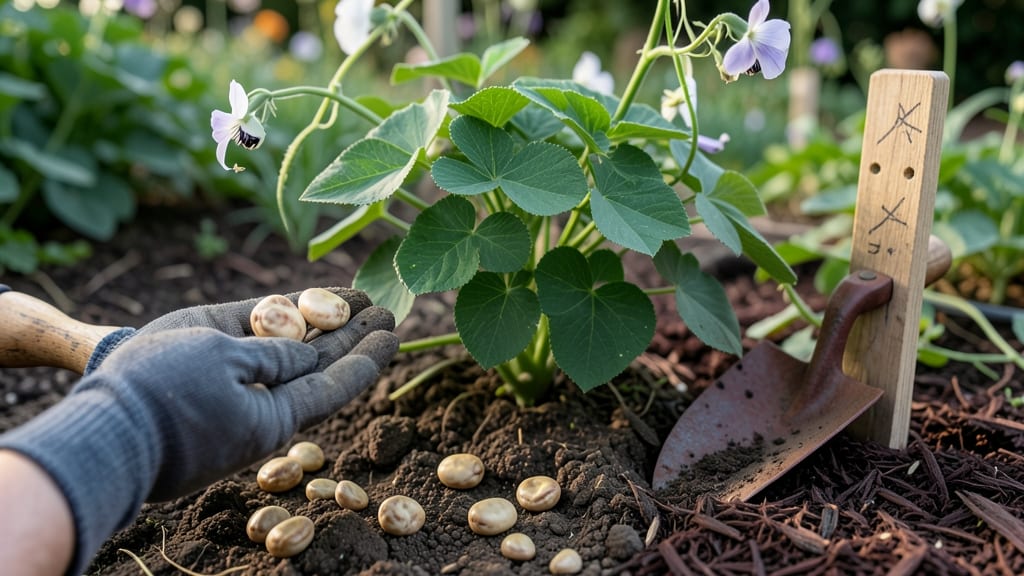
Planting fava beans at the wrong time in California could mean the difference between a bountiful harvest and a wasted garden bed. These hardy 🌱 legumes thrive when sown in the cooler months, but coastal regions like San Francisco and inland valleys like Sacramento have completely different ideal windows.
If you're growing in USDA zones 9-10, timing matters more than you might think. Coastal areas can plant as early as October, while inland zones often wait until November to avoid unexpected frost. The key is understanding your microclimate—whether you're dealing with coastal fog or Central Valley heat.
I've tested planting schedules across California's diverse zones, and what works in one area fails spectacularly in another. For example, fall planting in December gives coastal gardeners a head start, while inland growers often wait until January to avoid early cold snaps.
Let me show you exactly when to plant for your specific location.
Beyond just dates, we'll cover soil prep, frost protection, and companion planting to maximize your yield. Whether you're a coastal gardener or tucked into the valley, these insights will help you grow fava beans like a pro—no guesswork required.
California coastal fava bean planting calendar: exact months & microclimate tips
Coastal California offers the perfect fall and winter conditions for growing fava beans, but timing varies dramatically from San Francisco to Santa Barbara. Unlike inland areas, coastal regions rarely experience frost, giving you a longer window to plant.
However, microclimates—like foggy mornings or ocean breezes—can shift your ideal planting window by 2-4 weeks.
For Northern California (e.g., San Francisco Bay Area), aim to plant between mid-October and November for a late winter harvest. Southern coastal areas like Los Angeles and Santa Barbara can start slightly later, around late October to December, thanks to milder winters.
The key is to plant 60-90 days before your first expected frost—or none at all, since coastal zones rarely freeze.
Here’s how microclimates affect your planting schedule:
| Region | Best Planting Window | Soil Temp for Germination | Frost Risk | Microclimate Tip |
|---|---|---|---|---|
| San Francisco Bay Area | Mid-October – November | 50–60°F (10–15°C) | Low (rare frost) | Plant after first fog clears; use black plastic mulch for warmth. |
| Los Angeles Basin | Late October – December | 55–65°F (13–18°C) | None | Avoid coastal wind exposure; plant near windbreaks. |
| Santa Barbara | November – Early December | 50–60°F (10–15°C) | Very low | Use drip irrigation to prevent soil compaction from winter rains. |
Before planting, test your soil temperature with a soil thermometer. Fava beans germinate best when soil is between 50–65°F (10–18°C). If temperatures drop below 40°F (4°C), germination slows dramatically, and seeds may rot.
In fog-prone areas, like San Francisco, wait until mornings are consistently clear to avoid damp soil conditions that invite root rot.
Prepare your soil by amending it with compost or aged manure to boost phosphorus levels, which fava beans crave for strong root development. Aim for a pH of 6.0–7.0—coastal soils often lean acidic due to ocean spray, so a lime application may be needed.
Plant seeds 1–2 inches deep and 2–3 inches apart, with rows spaced 12–18 inches apart to allow for airflow and reduce disease risk.
One pro tip for coastal gardeners: Succession plant every 2–3 weeks from October through December to ensure a continuous harvest. Since fava beans take 90–120 days to mature, staggered plantings mean you’ll have fresh pods from February through April.
This works especially well in Santa Barbara, where winters are mild enough for year-round growth with proper care.
Watch for pest pressure like leaf miners or aphids, which thrive in coastal humidity. Use neem oil or introduce ladybugs to keep populations in check. If you notice yellowing leaves, it could signal chlorosis—a common issue in alkaline coastal soils.
In this case, apply chelated iron to correct the deficiency.
Harvest pods when they’re 2–3 inches long and firm to the touch, typically in late winter. Unlike many crops, fava beans tolerate light frost, so don’t rush to pick them—wait until pods are fully developed but before seeds inside become too large.
A sharp pair of pruners makes the job easier, and always harvest in the morning when pods are crisp.
Save seeds from your best pods for next year’s garden! Fava beans are self-pollinating, so saved seeds will reproduce true to type. Store them in a cool, dry place and plant them 2–3 months before your target harvest date the following season.
With the right timing and care, your coastal fava bean patch can become a reliable spring staple.
Inland California fava bean planting: heat tolerance tricks for Sacramento, Central Valley & desert zones
Inland California’s hotter microclimates (like Sacramento, Fresno, and Palm Springs) demand special strategies to grow fava beans successfully. Unlike coastal areas, these regions face bolting risks from sudden heat spikes and water scarcity, but with the right techniques, you can extend your growing season and maximize yields.
Fava beans thrive in cooler winter months, but inland zones often experience unpredictable temperature swings. Planting too early in fall can expose seedlings to heat stress, while waiting too late may push harvests into spring’s rising temperatures. The key? Strategic timing and protective measures.
⚠️ Heat Warning: Avoid Bolting!
Inland areas like the Central Valley can see sudden 80°F+ days even in winter. Fava beans bolt (flower prematurely) when exposed to consistent temps above 70°F. To prevent this:
- ✅ Use shade cloth (30-50%) during peak afternoon sun
- ✅ Plant in late fall (November-December) for cooler germination
- ✅ Choose heat-tolerant varieties like 'Himalaya' or 'Alaska'
- ❌ Avoid planting before November 15 in most inland zones
For Sacramento and Central Valley gardens, aim to plant fava beans between November 15 and January 15. This window ensures seedlings establish before spring heat ramps up. In desert regions (Palm Springs, Coachella Valley), push planting to December-January to avoid even more extreme temperatures.
Soil preparation is critical in inland zones. Amend your soil with compost and organic matter to improve water retention, and mulch heavily (3-4 inches) to lock in moisture.
Drip irrigation is your best friend here—water deeply 2-3 times per week in winter, then reduce to weekly in spring as temperatures rise.
Pro tip: Try a second crop in early spring (March) for desert zones like Palm Springs. Use shade cloth and daily watering to protect seedlings from bolting. Harvest pods by mid-April before summer heat sets in completely.
With these heat tolerance tricks, you can grow fava beans successfully in inland California—even in the hottest regions. Just remember: timing, shade, and moisture are your best allies against bolting and heat stress! 🌡️💧