
Flowers
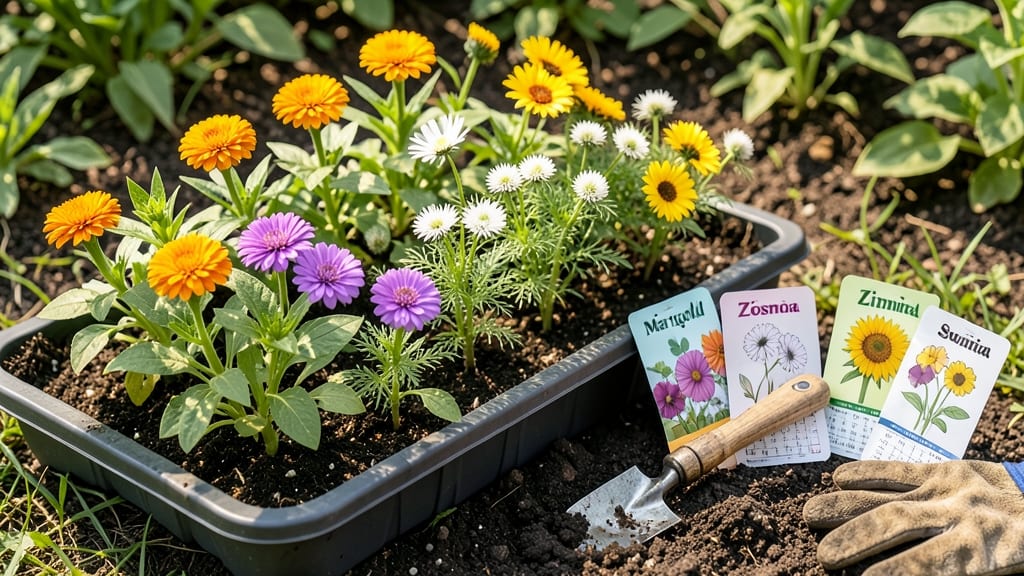
Planting flower seeds in Kansas at the wrong time can mean the difference between a garden bursting with 🌸 color and a sad, frost-bitten disappointment.
With last frosts lingering around April 15 and first frosts creeping in by October 15, timing is everything—especially when Kansas’s 5b-7a zones throw in unpredictable weather twists.
You’ve probably heard the generic advice to plant in spring, but Kansas isn’t one-size-fits-all. Eastern regions like Lawrence can start sowing as early as March, while western areas near Hays might wait until April to avoid late frosts.
The key is matching your microclimate to the right flower seeds—whether it’s hardy coneflowers or delicate zinnias.
In this guide, I’ll break down the exact months to plant for zero-frost blooms, plus how to adjust for Kansas’s wild swings from drought to sudden downpours. No more guessing—just vibrant gardens that thrive from March to September.
Ready to turn your Kansas yard into a year-round floral show? Let’s dig into the science behind the perfect planting window—so you can enjoy those first blooms without the frost worries.
Kansas flower seed planting calendar by microclimate zone
Kansas spans USDA Zones 5a-7a, meaning frost dates vary dramatically—from mid-April in the west to late April in the east.
To avoid frost damage, I always check the Kansas State University Extension for local updates, but these general guidelines work for most gardeners. Eastern Kansas (Zone 6-7) can start sowing late March to early April, while western Kansas (Zone 5) should wait until mid-April.
Soil temperature is critical—most flower seeds need at least 60°F to germinate.
Use a soil thermometer to confirm readiness. Cold-hardy flowers like sweet alyssum or pansies can handle 50°F soil, but tropical varieties like marigolds or zinnias need warmth. Fall planting for perennials like coneflowers should happen 6-8 weeks before first frost (typically late August to early September).
| Zone & Region | Last Frost Date | Best Planting Months | Ideal Soil Temp | Top Flowers |
|---|---|---|---|---|
| Zone 5a (Western KS) | Mid-April | April–May, Aug–Sept | 60°F+ | Sunflowers, Cosmos, Black-Eyed Susans |
| Zone 6a (Central KS) | Early April | March–April, July–Aug | 55°F+ | Marigolds, Zinnias, Petunias |
| Zone 7a (Eastern KS) | Late March | February–March, June–July | 50°F+ | Pansies, Snapdragons, Sweet Alyssum |
For cool-season flowers, I start seeds indoors 6-8 weeks before last frost (by February) using grow lights. Warm-season flowers like geraniums or impatiens need to wait until after April 15 in most of Kansas. Direct-sow hardy varieties like lupines or columbines in early spring—they tolerate light frost and self-seed easily.
Pro tip: Use row covers or cold frames to extend your season. I’ve successfully planted calendulas in late February under protection, giving me blooms by May.
Just remove covers when temps rise above 50°F to prevent overheating. Fall planting works too—try asters or goldenrod in August for autumn color.
Kansas’s western regions (e.g., Garden City) have drier soil and hotter summers, so I prioritize drought-tolerant flowers like blanket flower or yarrow. In humid eastern areas (e.g., Kansas City), moisture-loving flowers such as columbine or foxglove thrive.
Always amend soil with compost before planting to improve drainage and fertility.
If you’re unsure about your exact last frost date, check the Kansas Mesonet or local Cooperative Extension Service. I’ve had years where late May frosts zapped my tender seedlings, so I keep a frost watch calendar handy.
For container gardening, move pots to sheltered spots at night until danger of frost passes.
For longer blooming seasons, succession plant every 2-3 weeks from April to July.
This ensures continuous color—start with fast-growing cosmos or marigolds, then follow with slower zinnias or sunflowers. Perennials like bee balm or shasta daisies can be planted in spring or fall, but spring planting gives them time to establish roots before summer heat.
Remember: Kansas’s weather is unpredictable. Even if the calendar says it’s safe, keep an eye on 10-day forecasts.
I once lost a batch of nasturtiums to a late April freezefrost cloth as a precaution. Heat waves can also stress young plants, so always water deeply and mulch to retain moisture.
For beginner gardeners, start with easy-to-grow flowers like sunflowers or marigolds, which forgive
How to adjust planting times for Kansas’s unpredictable weather patterns
Kansas’s weather can be as unpredictable as a tornado warning—one day it’s 70°F and sunny, the next it’s 30°F with frost. For gardeners, this means flexible planting strategies are a must.
Late frosts in April or early heatwaves in May can derail even the best-laid plans. The key? Adjusting your timeline based on soil temperature, not just the calendar.
Start by monitoring soil temps—most annual flower seeds need at least 60°F to germinate. Use a soil thermometer or check online resources like the Kansas State University Extension for real-time updates.
If your soil is too cold but the air is warm, consider warming tricks like black plastic mulch or a cold frame to jumpstart germination.
For cool-season flowers like sweet alyssum or pansies, you can plant seeds 4-6 weeks before the last frost (typically mid-March). But if a late frost hits, don’t panic—these hardy blooms can often recover with mulch.
For heat-loving annuals like zinnias or marigolds, wait until after May 15 to avoid stunted growth from cool nights.
⚠️ Watch for Late Frost Warnings
Kansas’s last frost date can vary by 1-2 weeks from year to year. Sign up for local weather alerts (like NOAA’s National Weather Service) and have frost cloth ready. If frost is forecasted, cover tender seedlings with row covers or old bedsheets for protection.
Pro tip: Plant fast-germinating seeds like cosmos or marigolds as backup options—they’ll pop up quickly if your first batch gets nipped by frost.
If unseasonable heat arrives early, switch to shade-tolerant varieties like impatiens or begonias, which thrive in partial shade until temps stabilize. For drought-prone areas (common in western Kansas), opt for drought-resistant blooms like lantana or blanket flower, which need less frequent watering once established.
Don’t forget fall planting! Many flowers, such as calendulas or stocks, can be sown in late summer (August-September) for fall and early winter blooms. These cool-season champions will thrive in Kansas’s shorter days and often survive light frosts, giving you color when other gardens fade.
For container gardeners, timing is even more critical. Move pots to warmer microclimates (like near a south-facing wall) during cool snaps or use heat mats under trays to speed up germination.
And always water deeply in the morning to prevent fungal diseases that thrive in Kansas’s humid summers.
Finally, keep a planting journal to track what works in your specific microclimate. Note which seeds germinated fastest, which survived late frosts, and which flourished in heatwaves. Over time, you’ll refine your schedule to outsmart Kansas’s unpredictable weather—and enjoy blooms from spring to frost.