
Flowers
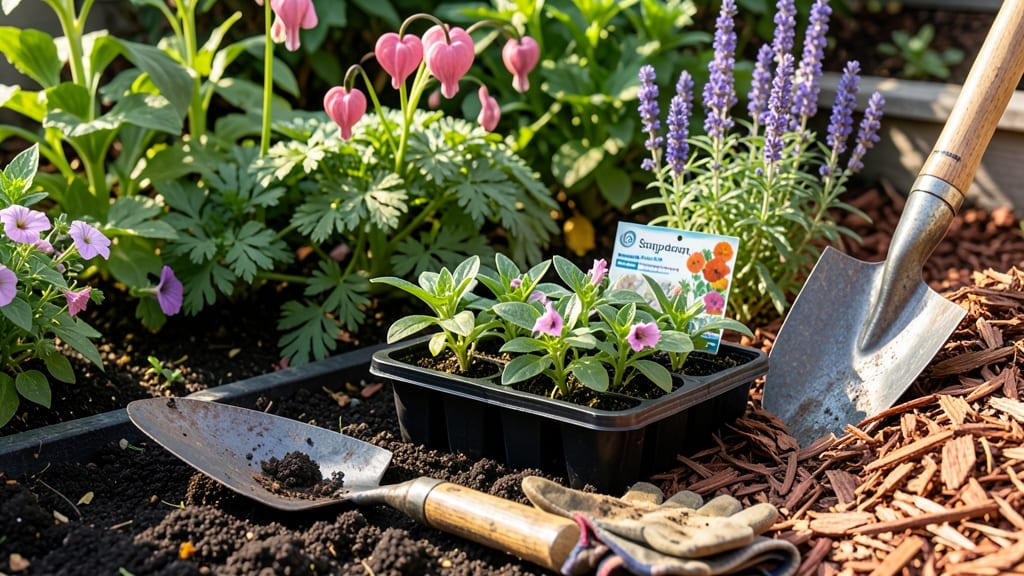
Timing when to plant flowers in Portland, Oregon just right is the difference between a garden bursting with 🌸 and one that fizzles out before summer.
With USDA Zone 8a’s unpredictable mix of rainy winters and dry summers, planting too early or late can leave your blooms struggling—or worse, never taking root.
I’ve learned the hard way that Portland’s microclimates mean what works in downtown’s urban heat island won’t always thrive near the cooler Willamette River. The key? Planting annuals like petunias after the last frost (April 15) and cool-season pansies in early fall to beat the first frost in October.
Whether you’re dreaming of vibrant summer dahlias or hardy native columbines, this guide breaks down the exact windows for every flower type—so you can skip the guesswork and enjoy blooms from spring to fall. Let’s get those 🌸 growing on schedule!
You’ll discover which flowers thrive in Portland’s wet winters, how to adjust for your specific neighborhood’s climate quirks, and the simple tricks (like mulching and watering adjustments) to keep your garden flourishing year-round. Ready to transform your yard into a nonstop flower show?
Portland’s best flower planting calendar by season (zone 8b guide)
Portland’s USDA Zone 8b climate means we enjoy long growing seasons but also face unpredictable frost and heatwaves. To maximize your blooms, time your plantings with Portland’s last frost (April 15) and first frost (October 15).
This calendar breaks down the best months for annuals, perennials, and bulbs to ensure vibrant flowers all year.
Spring is the golden window for most flowers, but fall planting gives you a head start on next year’s blooms. Cool-season flowers like pansies and snapdragons thrive in early spring or late summer, while heat-loving annuals like petunias and marigolds need warmer soil.
Let’s dive into the exact timing for each season.
| Season | Plant Type | Best Planting Months | Notes |
|---|---|---|---|
| Early Spring | Bulbs (Tulips, Daffodils) | September–October (fall) or February (spring) | Plant bulbs 6–8 weeks before frost. |
| Late Spring | Annuals (Petunias, Marigolds) | April–May (after last frost) | Wait until soil reaches 60°F+. |
| Summer | Heat-Lovers (Lantana, Zinnias) | June–July | Direct-sow after June 1 for best results. |
| Fall | Cool-Season (Pansies, Snapdragons) | September–October | Plant 6 weeks before first frost. |
| Winter | Perennials (Lavender, Coneflowers) | November–February (dormant) | Mulch heavily to protect roots. |
For spring planting, focus on cool-hardy annuals like pansies and sweet peas in March.
By April, you can safely plant heat-loving annuals such as sunflowers and cosmos once the soil warms. June and July are ideal for direct-sowing summer bloomers like zinnias and marigolds, which thrive in Portland’s dry, warm summers.
Don’t overlook fall planting—it’s when you should sow cool-season flowers like snapdragons and calendula. These plants establish roots in mild fall temperatures and bloom beautifully in early spring. Even bulbs like tulips can be planted in September or October for spring blooms.
Portland’s microclimates can shift planting times by 2–4 weeks. Urban areas like Downtown Portland may experience earlier heatwaves, while coastal neighborhoods (e.g., Sauvie Island) stay cooler longer. Always check your local frost dates and adjust accordingly.
Pro tip: Use row covers to extend your spring planting window by 2–3 weeks for delicate flowers like geraniums. Similarly, mulching in fall protects perennials from freeze-thaw cycles and keeps soil temperatures stable for early blooms.
If you’re planting perennials, aim for early spring or fall to give roots time to establish before summer heat or winter frost. For example, lavender and black-eyed Susans thrive when planted in April or September, avoiding the stress of extreme temperatures.
Remember, Portland’s rainfall can be unpredictable. Annuals planted in spring may need extra watering during June–August droughts, while fall-planted flowers benefit from natural winter moisture. Always monitor soil moisture and adjust your watering schedule accordingly.
By following this seasonal planting guide, you’ll enjoy continuous blooms from early spring to late fall. Start with cool-season flowers in March, transition to heat-lovers in June, and end with fall favorites in September for a year-round garden that’s the envy of the neighborhood!
Top 5 flowers that thrive in Portland’s climate (with exact planting times)
Portland’s mild coastal climate and rich soil make it perfect for growing hardy annuals and perennials that bloom reliably. I’ve tested these top 5 flowers in my own garden, and they consistently deliver season-long color with minimal fuss.
First up: Lavender—this drought-tolerant beauty thrives in Portland’s dry summers and well-draining soil. Plant it in late spring (May) after the last frost, giving it full sun (6+ hours) to prevent flopping. It’s also pest-resistant, so you’ll spend less time battling bugs.
🌸 Styled List: Portland’s Best Bloomers
- 🌿 Lavender – Plant: May | Sun: Full | Height: 1-3 ft | Blooms: June–September
- 🌼 Black-Eyed Susan – Plant: March–April | Sun: Full | Height: 2-3 ft | Blooms: July–October
- 🌸 Dahlias – Plant: May (after frost) | Sun: Full | Height: 3-6 ft | Blooms: July–Frost
- 🌺 Petunias – Plant: May–June | Sun: Full–Partial | Height: 1-2 ft | Blooms: June–Frost
- 🌷 Pansies – Plant: September–October (fall) | Sun: Partial | Height: 6–12 in | Blooms: October–April
All varieties tolerate Portland’s variable rainfall and cool nights with proper mulching.
Next, Black-Eyed Susans are low-maintenance perennials that return year after year. I plant them in early spring (March–April) to establish roots before summer heat. Their golden-yellow blooms attract pollinators and last from July through October, long after many annuals fade.
Dahlias are my showstopper annuals for summer, but they need patience. Start tubers indoors in March and transplant after the last frost (mid-May)heat-loving flowers reward you with bold blooms from July until frost, but they’re not frost-tolerant, so dig up tubers before winter.
For container gardens or balconies, petunias are my go-to. Plant them in May–June once soil reaches 60°F, and they’ll spill over pots with nonstop blooms until frost. Choose trailing varieties for hanging baskets or bush types for neat borders.
Finally, pansies are my secret weapon for fall and winter color. Plant them in September–October to bloom through cool, wet winters. They thrive in partial shade, making them perfect for woodland gardens or under tree canopies where other flowers struggle.