
Flowers
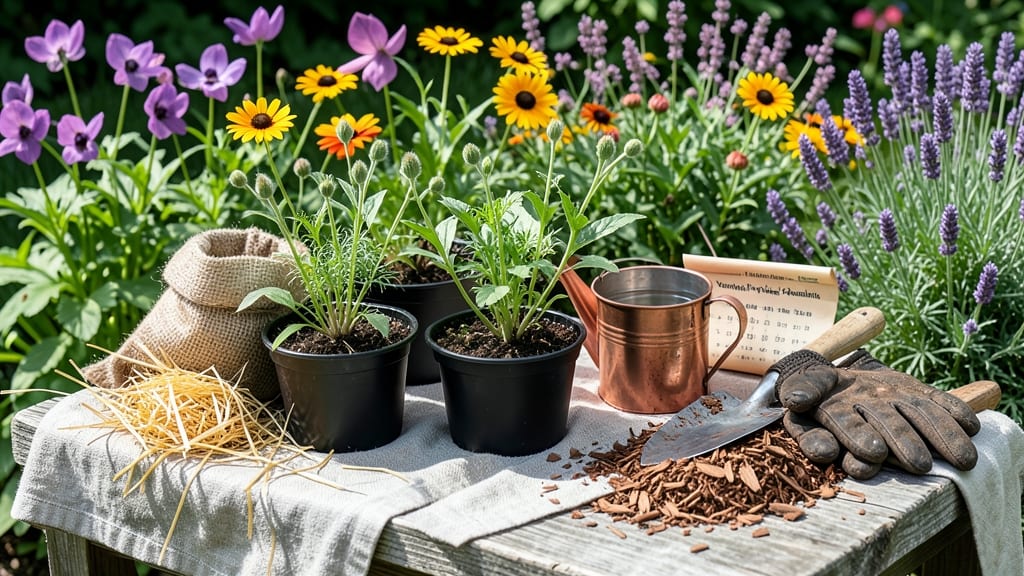
Timing your flowers planting in Vermont isn’t just about the calendar—it’s about dodging those sneaky late frosts that can turn your garden dreams into a sad, brown mess.
With USDA zones 5a-6b and frost dates that shift yearly, getting it right means the difference between a showstopping 🌸 display and a season of waiting.
Most gardeners know spring is the prime window, but Vermont’s unpredictable weather demands precision. Planting too early risks frost damage, while waiting too long cuts your blooming season short. The key? Mastering the April 15–May 15 window for spring bloomers—or timing fall varieties for September 1–October 15 planting.
Here’s the game-changer: I’ll break down exactly when to plant by zone, microclimate, and flower type—so you can avoid common mistakes and maximize your garden’s potential. Whether you’re a first-timer or a seasoned grower, these tips will help you beat Vermont’s weather and enjoy flowers from June through September.
Ready to stop guessing? Let’s dive into the science-backed schedule that’ll have your garden thriving, no matter what Mother Nature throws your way.
Vermont flower planting calendar by hardiness Zone (exact months & deadlines)
Vermont spans USDA Hardiness Zones 5a and 5b, meaning your planting schedule depends heavily on last frost dates and microclimates. Most of the state experiences its average last frost around May 10, but this can vary by 2-3 weeks depending on elevation and location.
For Zone 5a (northern areas like St. Johnsbury), aim for mid-May planting, while Zone 5b (southern areas like Bennington) can start as early as late April.
Annual flowers like petunias and marigolds thrive when planted 2-3 weeks after your last frost, while perennials such as coneflowers can tolerate early spring soil as long as it’s workable. Bulbs like tulips should be planted in fall (September-October) for spring blooms, while cool-season flowers like pansies can handle early spring or late summer planting.
Timing is everything—plant too early, and frost will kill tender shoots; too late, and your flowers may bolt or struggle to establish roots.
🌱 Vermont Flower Planting Schedule by Zone & Type
| Plant Type | Zone 5a (North) | Zone 5b (South) | Notes |
|---|---|---|---|
| Annuals (Seeds) | May 15–June 1 | April 20–May 10 | Wait for soil temp ≥50°F |
| Annuals (Transplants) | May 1–May 15 | April 15–April 30 | Hardier types (e.g., pansies) can go earlier |
| Perennials (Spring) | April 15–May 1 | April 1–April 15 | Divide clumps in early spring |
| Bulbs (Fall) | September 15–October 15 | September 1–October 1 | Plant 6" deep, 3x bulb width apart |
| Fall-Blooming (Seeds) | July 15–August 15 | July 1–July 31 | Examples: cosmos, snapdragons |
🌿 Pro Tip: Use row covers to extend your planting window by 2–3 weeks in early spring.
For annual flowers like impatiens or geraniums, which are heat-loving but frost-sensitive, wait until mid-May even in Zone 5b. These varieties need consistent warmth to thrive, and planting them too early can stunt their growth.
Conversely, cool-season annuals like pansies or sweet peas can handle early April planting in Zone 5b or late April in Zone 5a.
If you’re planting perennials like black-eyed Susans or daylilies, early spring is ideal—these hardy plants establish roots quickly and can tolerate light frosts. However, avoid planting tender perennials like cannas or dahlias until after Memorial Day, as they won’t survive even a light frost.
For bulbs, timing is critical: plant tulips and daffodils in fall (September-October) to ensure they bloom the following spring.
Vermont’s fall planting window for cool-season flowers (like kale, snapdragons, or calendula) runs from late July to mid-September. This gives plants time to establish roots before winter, so they bloom early the next spring.
For winter interest, consider planting ornamental kale or cabbage, which add color to your garden even in sub-zero temperatures. Just be sure to mulch heavily to protect roots from freezing.
To track your local frost dates, check the Vermont Weather Underground or your local Cooperative Extension office. These resources provide hyperlocal data that can shift your planting timeline by 1-2 weeks. For example, Burlington’s lake-effect climate often delays last frosts by 7-10 days compared
Microclimate adjustments: how Vermont’s valleys, mountains, and urban areas shift planting times
Vermont’s diverse geography creates microclimates that can shift your planting window by 2–4 weeks. A neighbor’s Champlain Valley garden might thrive with May plantings, while your Green Mountain slope could face late frosts until June. Understanding these variations helps you avoid frost damage and maximize bloom time.
Elevation plays a huge role—every 1,000 feet up adds about 3–5°F cooler temps. For example, Burlington’s lake-effect warmth (Zone 5b) lets you plant pansies and snapdragons by April 15, while Stowe’s higher elevations (Zone 4b) may delay planting until May 20.
Urban areas like Montpelier can also be 1–2 weeks earlier due to heat islands from pavement.
| Microclimate Type | Key Features | Planting Adjustment | Example Vermont Location |
|---|---|---|---|
| Valleys (e.g., Champlain) | Warmer air pockets, slower frost retreat | Plant 2 weeks earlier (e.g., April 15) | Burlington, Winooski |
| Mountains (e.g., Green Mtns) | Cooler temps, later frost dates | Delay by 2–3 weeks (e.g., May 20) | Stowe, Manchester |
| Urban Heat Islands | Pavement retains heat, microclimate warmth | Plant 1 week earlier (e.g., April 25) | Montpelier, Rutland |
| Lake Shorelines | Lake-effect moderates temps | Follow valley schedule (e.g., April 15) | Lake Champlain shores |
| North-Facing Slopes | Colder, slower warming | Delay by 1–2 weeks (e.g., May 10) | Any rural backyard |
For high-risk areas like Burlington’s late springs, monitor the Vermont Weather Underground or local Cooperative Extension alerts. If you’re unsure, use cold-hardy annuals like sweet peas or calendula, which tolerate 32°F and can be planted 2 weeks earlier than tender varieties.
Pro tip: Test your microclimate by planting cold-sensitive markers like marigolds in early April. If they survive, your zone is warmer than expected! For cooler spots, opt for perennials like coneflowers, which establish roots slowly but thrive once established.
Even in Zone 5b, a north-facing garden may need row covers until June 1. Adjust your schedule by observing local foliage cues: when lilac bushes bloom, it’s safe to plant tender annuals like petunias.
🌿