
Plants
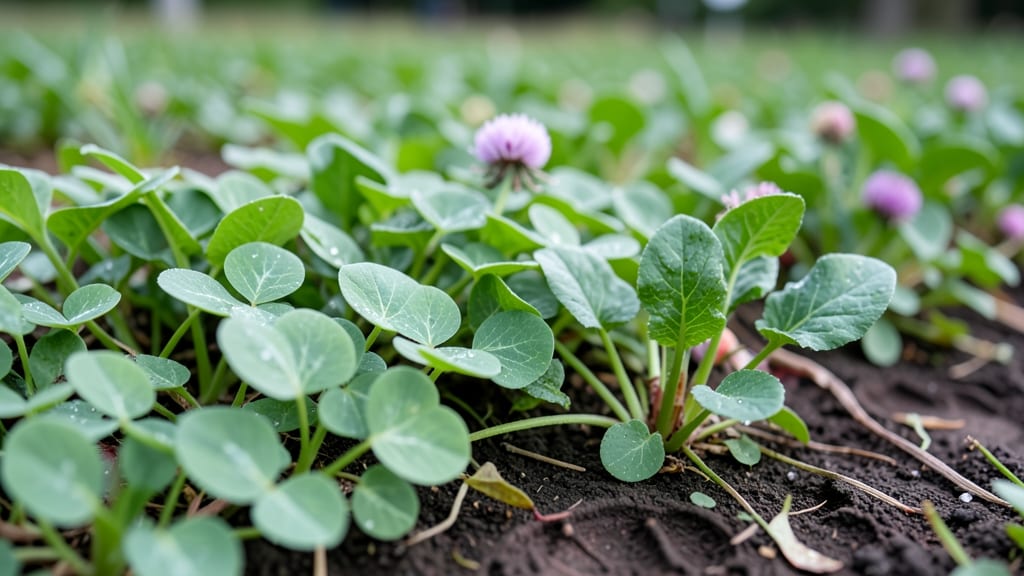
Planting food plots for deer in Louisiana at the wrong time means missing out on peak whitetail activity—this is the exact schedule that puts bucks on your property when they’re hungry and hunting.
Louisiana’s humid climate and long growing season give you two prime planting windows: early spring for summer forage and late summer for fall rut feeding. But timing isn’t just about months—it’s about soil temps, rainfall patterns, and when deer are most active.
Get it wrong, and you’ll watch bucks walk right past your plots.
I’ve worked with hunters across the state to perfect these planting strategies, from clover plots that thrive in the heat to brassicas that hold up through Louisiana’s unpredictable winters. Whether you’re a first-time plotter or a veteran hunter fine-tuning your approach, these insights will help you maximize deer traffic.
Ready to turn your property into a whitetail magnet? Let’s break down the month-by-month planting calendar that aligns with Louisiana’s unique growing conditions and deer behavior—so you’re always one step ahead of the herd.
Louisiana food plot planting calendar by month: best species for each season
Louisiana’s humid subtropical climate creates perfect conditions for food plots—but only if you plant at the right time. Unlike northern states, Louisiana’s long growing season and mild winters let you grow food plots year-round, with two critical windows: spring for summer forage and fall for winter feeding.
The key is matching plant species to deer activity cycles—think rut season in October or winter starvation in January.
Most Louisiana hunters focus on clover mixes in spring and brassicas in fall, but the exact timing depends on your USDA hardiness zone (7a-9a) and microclimate. Coastal areas like New Orleans can plant 2-4 weeks later than northern Louisiana due to warmer soils.
Always check soil temperatures—most food plot seeds need at least 50°F to germinate reliably.
🌱 PRO TIP: Use a soil thermometer ($15 at garden centers) to confirm readiness. Planting too early risks frost damage, while delaying means missed deer activity during peak feeding times.
| Month | Best Species | Planting Window | Deer Activity Trigger | Notes |
|---|---|---|---|---|
| February | Clover (White Dutch, Crimson) | Late Feb - Early March | Pre-rut scouting | Soil temp: 55°F+ |
| March | Soybeans (Early Maturity) | Mid-March - April | Summer forage peak | 60-70 days to maturity |
| April | Sorghum-Sudangrass | Late April - Early May | Late summer/early fall | Drought-tolerant; high protein |
| August | Winter Wheat | Mid-August - Sept 15 | Rut season food source | Plant before Sept 20 for best growth |
| September | Brassicas (Turnips, Radishes) | Early Sept - Oct 10 | Peak rut feeding | Fast-growing; deer love greens |
| October | Clover (Aucuba, Lespedeza) | Late Oct - Nov 15 | Winter starvation relief | Cold-hardy; persists through frost |
For coastal Louisiana (zones 8b-9a), shift all planting dates 10-14 days later—warmer soils mean faster germination, but hurricane season (June-Nov) can delay fall prep. In northern Louisiana (zones 7a-8a), prioritize earlier spring plantings to avoid late frost risks (average last frost: March 15 in Shreveport).
Brassicas like turnips and radishes are Louisiana hunters’ secret weapon—they grow fast (30-45 days) and provide high-protein forage during the rut (October-November). Plant turnips by September 15 for peak deer activity in October, when bucks are most active at food sources. Use radishes for early fall plantings—they’re deer-proof until they bolt!
Soybeans are another top choice for Louisiana plots. Plant early-maturing varieties (like ‘AS7623’) in March-April for summer forage, or late summer (August) for fall harvest. They thrive in Louisiana’s heat and provide high-energy food when natural browse is scarce. Just **avoid planting
Critical factors that determine your planting success in Louisiana
Louisiana’s humid subtropical climate creates unique challenges for food plot success. Unlike northern states, our long growing seasons and high humidity demand precise timing. The key factors—soil temperature, rainfall patterns, and deer behavior cycles—dictate when to plant for maximum impact.
First, soil temperature is your best guide. Most food plot seeds need soil at 60°F+ to germinate properly. In Louisiana, this typically occurs in late March for southern regions and early April for northern parishes. Use a soil thermometer to confirm readiness—don’t guess!
Next, rainfall patterns play a critical role. Louisiana’s summer storms can flood plots, while fall droughts stress plants. Plant clover and brassicas in September-October to avoid summer’s heaviest rains, and soybeans in May-June for consistent moisture during germination.
Soil Temperature
✅ 60°F+ for germination
✅ Use soil thermometer in March-April
✅ Northern LA waits 1-2 weeks longer
Rainfall Timing
✅ September-October for clover/brassicas
✅ May-June for soybeans
✅ Avoid summer flooding risks
Deer Behavior
✅ Fall rut (Nov) needs peak forage
✅ Winter food plots (Dec-Feb) for hard mast
✅ Spring plots for pre-rut conditioning
Don’t overlook deer behavior cycles. Louisiana bucks enter the rut in November, so aim for peak forage availability during this critical time. Plant winter wheat in late September for a December-January harvest, or establish hard mast plots with persimmon or acorns that mature in fall.
Finally, adjust for Louisiana’s microclimates. Coastal parishes like Lafayette have warmer soils and can plant 2-3 weeks earlier than northern areas like Shreveport. Check the LSU AgCenter’s frost maps for your specific zone—this can shift planting windows by 30 days or more!
Pro tip: Use cover crops like ryegrass in summer months to protect soil and prevent erosion during heavy rains. This maintains soil health between main food plot plantings and gives deer consistent forage year-round.