
Plants
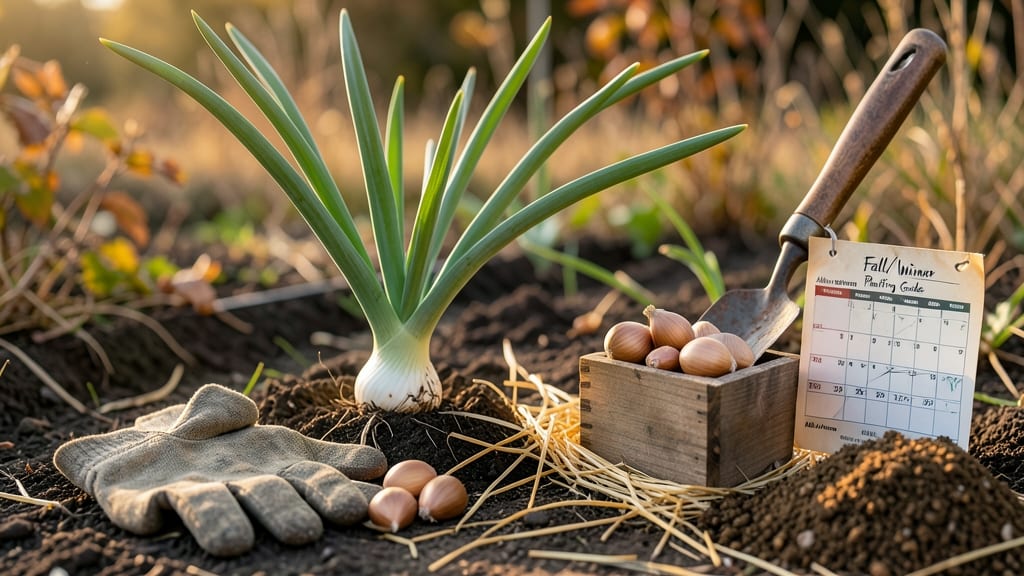
Planting garlic at the wrong time in Zone 6b can mean the difference between a bumper crop of plump 🧄 bulbs and a disappointing harvest—or worse, no garlic at all. Timing is everything, and missing the window by even a few weeks can drastically reduce your yield.
If you're growing hardneck varieties—the most popular choice for Zone 6b—you'll want to plant between October and November when soil temperatures drop below 50°F. This 6-week window before the ground freezes is critical because it gives your garlic time to establish roots before winter dormancy.
But here's the catch: not all of Zone 6b experiences the same climate. Northern parts of the zone may need to plant earlier in October, while southern areas can sometimes squeeze in late November plantings.
I'll show you exactly how to adjust your timeline based on your specific location within 6b.
Once you get the timing right, the rest becomes easier. We'll cover soil prep, spacing, and post-planting care to ensure your garlic thrives through winter and delivers those prized bulbs next summer. Let's make sure you're planting at the perfect moment for maximum success.
Best planting months for garlic in Zone 6b: hardneck varieties explained
If you're growing hardneck garlic in Zone 6b, timing your planting is the single most important factor for a successful harvest. Unlike softneck varieties, hardnecks require a cold period to form bulbs, making fall planting absolutely critical.
In Zone 6b, this window is narrow—typically between mid-October and early November—but missing it by even a few weeks can drastically reduce your yield or even prevent bulb formation entirely.
Why does timing matter so much? Hardneck garlic needs 60-90 days of cold temperatures (below 40°F) to trigger bulb development. Plant too early, and the cloves may sprout and get damaged by frost before establishing roots.
Plant too late, and they won’t get enough cold exposure to form proper bulbs. Zone 6b’s first frost date (around November 15) acts as your deadline—aim to plant 4-6 weeks before frost to give roots time to anchor before winter sets in.
The ideal planting window in Zone 6b falls between October 15 and November 1, but this can shift slightly depending on your exact location within the zone.
For example, areas like Western Pennsylvania or Northern Virginia may lean toward early November, while Southern Indiana or Central Ohio might target late October. Always check your local frost dates and adjust accordingly.
| Planting Stage | Zone 6b Timeline | Key Actions |
|---|---|---|
| Soil Prep | Late September | Test soil pH (6.0-7.0), add compost, loosen soil 12" deep. |
| Planting Window | October 15 - November 1 | Plant cloves 2" deep, 4-6" apart, pointed end up. |
| Cold Exposure | November - February | Ensure 60+ days below 40°F for bulb formation. |
| Spring Growth | March - June | Remove mulch, fertilize lightly (5-10-10), water consistently. |
| Harvest Ready | Late July - August | Harvest when lower leaves brown and bulbs are firm. |
One common misconception is that you can plant garlic in early fall (like September) and still get a good harvest. While it’s technically possible, the risk of premature sprouting before frost increases, and the cloves may not survive winter.
If you miss the ideal window, your best bet is to plant in early December—just be prepared for smaller bulbs, as cold exposure will be shorter. For hardneck varieties like 'Music' or 'German White', this trade-off isn’t ideal, but it’s better than no harvest at all.
Soil temperature is another critical factor. Garlic cloves need soil temps between 40°F and 50°F to sprout successfully. If you plant when the ground is still warm (above 50°F), the cloves may rot before roots establish.
Use a soil thermometer to monitor temps—this simple tool can save you from costly mistakes. Aim to plant when daytime temps consistently dip into the 50s°F but nights are still above freezing.
Pro tip: If you’re unsure about your local frost dates, check resources like the Old Farmer’s Almanac or your local cooperative extension service. They provide hyper-localized frost predictions that can shift your planting window by a week or more.
For example, Northern Zone 6b (like Pittsburgh) might need to plant by October 25, while Southern Zone 6b (like Lexington, KY) could extend to November 5. These nuances make all the difference.
Once you’ve nailed down the planting window, focus on soil preparation. Garlic thrives in well-draining, loose soil with a pH between 6.0 and 7.0. Work in 2-3 inches of compost or well-rotted manure before planting to provide nutrients without burning the cloves.
Avoid fresh manure, as it can cause ammonia buildup and damage the delicate roots. A light application of balanced fertilizer (5-10-10) at planting time also gives your garlic a strong start.
After planting, mulching is non-negotiable in Zone 6b. Apply 4-6 inches of straw or leaves to insulate the soil and protect cloves from freeze-thaw cycles, which can heave them out of the ground.
Remove the mulch in early spring (around March) to allow the soil to warm and encourage growth. This step is especially important in Zone 6b, where winters can be unpredictable with sudden temperature swings.
Remember, the goal is to give your garlic enough cold to trigger bulb formation but not so much that the cloves freeze solid. With the right timing, your hardneck garlic will reward you with plump, flavorful bulbs ready for harvest in late July or August.
And if you follow these guidelines, you’ll avoid the heartbreak of a failed crop—or worse, a garden full of green, leafy stalks with no bulbs at all.
How to adjust your planting timeline for Zone 6b’s unique climate challenges
Zone 6b’s unpredictable winters and early frosts can throw off even the most experienced garlic growers. Unlike milder zones, where planting windows are more forgiving, 6b gardeners must account for soil temperature drops and variable frost dates.
A hard freeze before roots establish can kill cloves, while planting too late may stunt bulb development.
Start by checking your local frost dates—aim to plant 4-6 weeks before the first hard frost. In northern 6b (e.g., Chicago or Milwaukee), this often means late September to early October.
Southern 6b (e.g., Nashville or St. Louis) can stretch the window to mid-October. Use a soil thermometer to confirm temps are below 50°F but not frozen.
Planting after November 15 in 6b increases the chance of small, weak bulbs. If you miss the window, consider overwintering cloves indoors in a cool, dark place until spring, then transplant in early March—though yields will be 50% smaller.
For early frosts, use straw mulch (4-6 inches) to insulate soil and protect emerging shoots. In southern 6b, where winters are milder, you might get away with December planting, but prioritize hardneck varieties like 'German White' or 'Music', which handle cold better than softnecks.
Soil prep is just as critical. Amend beds with compost or aged manure in late summer to improve drainage—waterlogged soil in winter can rot cloves. Test your soil’s pH (6.0-7.0) and add lime if needed, as acidic soil stunts garlic growth.
If your winter is unusually warm, garlic may sprout too early, making it vulnerable to freeze-thaw cycles. In this case, delay planting until mid-October and use row covers for extra protection. Monitor weather forecasts and adjust your timeline accordingly—flexibility is key in Zone 6b.
For backup planting, set aside a few cloves to plant in early spring (March) if fall planting fails. While spring garlic won’t produce full-sized bulbs, it’s better than nothing. Focus on smaller varieties like 'Silverskin', which mature faster.
Remember: Garlic needs cold to form bulbs. Without 40-60 days below 40°F, you’ll end up with long, skinny stalks instead of plump cloves. Use these adjustments to beat Zone 6b’s challenges and still harvest bold, flavorful garlic every summer. 🌱