
Plants
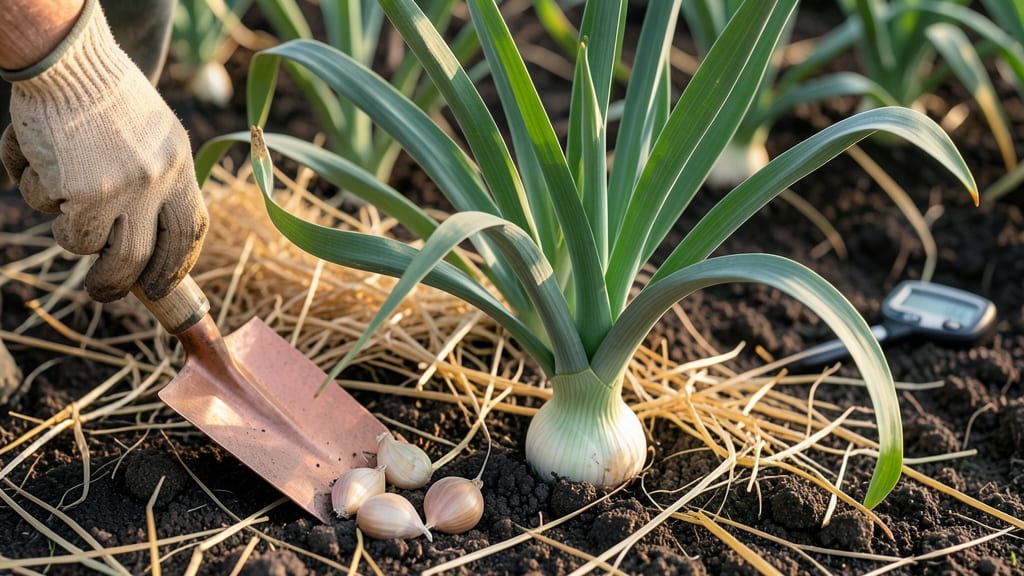
Planting garlic in MN at the wrong time means watching your hardneck 🧄 freeze into mush before spring—unless you nail that 4-6 week pre-freeze window between late September and early October. The key isn't just avoiding frost; it's giving those cloves time to root deep before winter sets in.
Here's the secret Minnesotans swear by: hardneck varieties like 'German White' thrive when planted while soil temps hover around 40-50°F, but before the ground locks up solid.
That means checking frost dates—aim for 6-8 weeks before your first hard freeze, not after. Too early? Cloves rot. Too late? They never bulb out.
I've learned the hard way that MN's Zone 4a-5b climate demands extra prep: mulch 4-6 inches thick to insulate roots, and choose varieties that handle zero-degree freezes like champs. The payoff? Plump bulbs ready to harvest next June, packed with more flavor than anything you'll find in stores.
Ready to grow garlic that outlasts our winters? Let's break down exactly when, where, and how to plant for foolproof success—no more guessing games.
The perfect fall planting window for MN hardneck garlic
Minnesota’s USDA Zones 3-5 demand precise timing for garlic—plant too early, and cloves rot; too late, and bulbs won’t mature. The 4-6 week window before hard freeze is critical for hardneck varieties like 'German White' to establish roots and form bulbs through winter.
This means aiming for late September to early October in most of MN, with northern regions (Zone 3) pushing closer to mid-September.
Your soil temperature is the real clock: garlic cloves need 40-50°F soil to sprout but won’t survive if planted when night temps drop below 20°F. Use a soil thermometer to confirm—cool but unfrozen soil is ideal.
In Zone 4-5 (southern MN), this often aligns with mid-October, while northern MN may need planting by late September.
Pro tip: Check your local frost dates (MN DNR’s Frost Freeze Forecast is your friend). Plant when 6-8 weeks remain until your area’s average first hard freeze. For example, if your first 20°F freeze hits November 15, plant by September 25 to guarantee bulb development.
Here’s the MN-specific timeline broken down by region:
| Region | USDA Zone | Ideal Planting Window | Soil Temp Goal | Frost Buffer |
|---|---|---|---|---|
| Northern MN (Duluth, Brainerd) | Zone 3 | Late Aug–Mid-Sept | 40–45°F | 6 weeks |
| Central MN (Minneapolis, St. Cloud) | Zone 4 | Mid-Sept–Early Oct | 45–50°F | 5 weeks |
| Southern MN (Rochester, Winona) | Zone 5 | Early Oct–Mid-Oct | 50°F+ | 4 weeks |
🌱 Adjust 1 week earlier for early winters
Why this timing works: Garlic needs 60-80 days of cold (below 40°F) to form bulbs. Planting too late deprives it of this vernalization period, resulting in small, weak bulbs.
Conversely, planting too early risks rot from excess moisture before winter sets in. Aim for 4-6 weeks before hard freeze—this is your sweet spot.
For northern MN gardeners, consider early spring planting (March) as a backup—though hardneck varieties won’t perform as well. If you miss fall, cover cloves with straw to protect them until soil warms in spring. But fall planting is non-negotiable for maximum bulb size and flavor.
One MN-specific hack: Plant ‘Chesnok Red’ (a hardneck favorite) in raised beds if your soil stays soggy into winter. Raised beds warm faster in spring and drain better, giving garlic a 2-week head start on growth. Just ensure beds are at least 6 inches deep to accommodate root growth.
Watch for soil heaving in freeze-thaw cycles—a common MN issue. To prevent it, mulch heavily (6+ inches of straw or leaves) after planting.
This insulates the soil and protects cloves from being pushed out of the ground by frost expansion. Don’t skip this step—it’s the difference between thriving garlic and wasted cloves.
Final pro move: Test your soil pH before planting. MN’s clay-heavy soil often tests alkaline (pH 7.5+), which garlic hates. Aim for 6.0–7.0 by amending with sulfur or peat moss.
A simple $10 soil test kit from your local U of M Extension office saves you from poor bulb development later.
Remember: Timing is everything in MN. Get it right, and you’ll harvest plump, flavorful bulbs in late June—far superior to store-bought. Miss the window, and you’ll be left with tiny, pungent excuses for garlic. 🧄
How to choose garlic varieties that survive MN winters
Minnesota’s brutal winters demand garlic varieties that can handle zero-degree freezes without flinching. Not all garlic is created equal—hardneck varieties dominate here because their hardy cloves and cold-resistant bulbs thrive in USDA Zones 3-5.
Softneck varieties? They’ll struggle and often rot. Let’s break down the top performers for your garden.
Start by selecting hardneck garlic, the gold standard for MN. These varieties produce scape shoots (those curly stems) and store better than softnecks. The best choices for our climate include German White, Chesnok Red, and Music.
Each brings unique flavors and cold tolerance—critical for surviving our 120 frost-free days and unpredictable winters.
Here’s how they stack up for MN gardeners:
Avoid softneck varieties like Silverskin or Artichoke—these need milder climates and won’t survive MN’s winters. Instead, focus on hardneck garlic with high cold tolerance ratings. For example, German White is my go-to because it handles -20°F temperatures and produces plump, sweet bulbs perfect for braiding or roasting.
Pro tip: Buy organic, untreated garlic from local seed companies like Territorial Seed Company or Johnny’s Selected Seeds. These sources specialize in MN-hardy varieties and provide cloves that haven’t been chemically treated—giving your garlic the best start in our clay-heavy soils.
Once you’ve picked your variety, plant cloves 4-6 weeks before the ground freezes (typically late September to early October). This timing ensures roots establish before winter sets in, so your garlic can survive zero-degree freezes and emerge stronger next spring. 🌱