
Plants
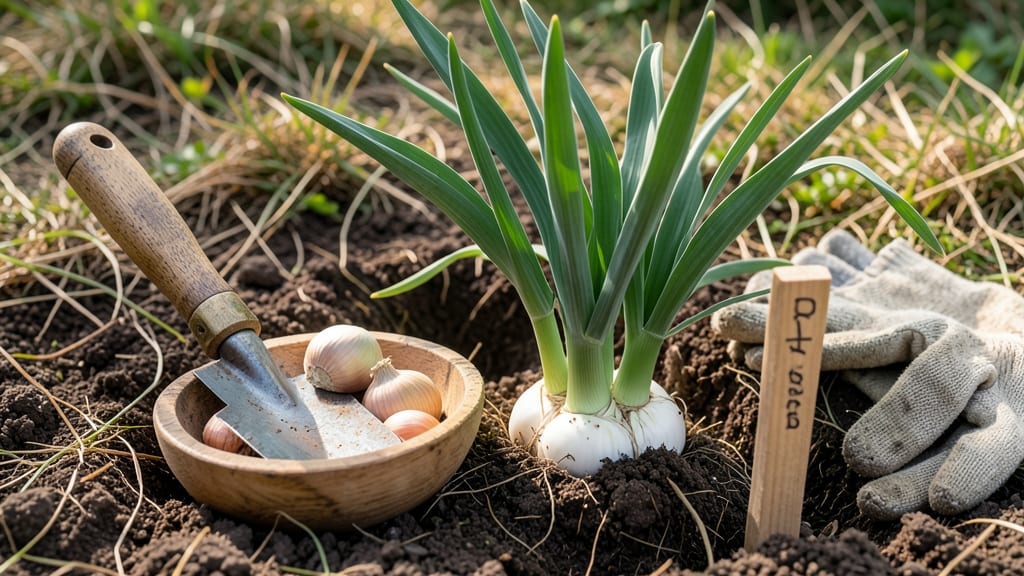
To plant garlic in the spring and still get a full harvest, timing is everything—especially if you're working with cold-hardy varieties in short seasons. Unlike fall planting, spring garlic requires patience and precision, but the results can be just as rewarding with the right approach.
Most gardeners assume spring garlic is a last-minute fix, but the truth is, you need to start 4-6 weeks before your last frost date—usually by early March in USDA Zone 6a.
This gives your 🧄 cloves time to establish roots before the soil warms up, setting the stage for strong bulb development.
If you've ever planted garlic too late and watched your crop struggle, you know how critical this window is. The key is choosing varieties like 'German White' or 'Music' that thrive in cooler weather, then prepping your soil with compost to give them a head start.
I’ll walk you through exactly when to plant based on your climate, how to adjust for early or late springs, and the simple steps to ensure your garlic grows bold and flavorful—no guesswork required.
Best spring planting timeline for garlic by USDA hardiness Zones
Spring garlic planting is all about timing—especially if you missed the ideal fall window. While garlic thrives when planted in late fall, certain cold-hardy varieties can adapt to spring planting with the right strategy.
The key is to plant 6-8 weeks before your last expected frost, giving bulbs time to establish roots before summer heat arrives.
Most gardeners assume garlic must be planted in fall, but USDA Zones 3-8 can successfully grow spring-planted garlic using early-maturing varieties. The difference? Spring-planted garlic needs faster-growing types and precise timing to avoid bolting (premature flowering). Let’s break down the best planting windows by zone to maximize your harvest.
| USDA Zone | Ideal Planting Window | Soil Temp Goal (°F) | Notes |
|---|---|---|---|
| Zones 3-4 | Early April to mid-April | 40-50°F | Use hard-neck varieties like 'German White'; plant when soil is workable but still cool. |
| Zones 5-6 | Mid to late March | 45-55°F | Avoid planting too early; risk of rot if soil is too cold. Opt for 'Music' or 'Silverskin' for faster growth. |
| Zones 7-8 | Late February to early March | 50-60°F | Mild winters allow earlier planting, but bolting risk increases. Choose 'Artichoke' or 'Creole' for heat tolerance. |
🌱 Pro Tip: Test soil temperature with a soil thermometer—plant when it’s consistently above 40°F at 4-inch depth.
For Zone 3-4 gardeners, spring planting is riskier due to short growing seasons. If you’re in these zones, focus on early-maturing hard-neck varieties like 'German Red' or 'Chesnok Red'.
These types can go from clove to bulb in as few as 90 days, making them ideal for late springs. Start seeds indoors in late winter to give plants a head start.
In Zones 5-6, where winters are milder, you have a wider window to plant. Aim for mid-March to avoid the April heat rush, which can cause garlic to bolt.
A trick I use? Plant a test row in late February—if sprouts emerge before frost, cover them with straw mulch to protect tender shoots.
Gardeners in Zones 7-8 often overlook spring planting because they assume fall is the only option. But with heat-tolerant varieties like 'California Early' or 'Inchelium Red', you can plant as early as late February.
The key is to mulch heavily (4-6 inches of straw) to retain moisture and cool roots during summer’s peak.
Regardless of your zone, avoid planting garlic after mid-April in most regions. By this time, days are too long, and garlic will bolt (send up a flower stalk) instead of forming bulbs. If you’re late, consider container growing—pots can be moved to shade or cooler spots to delay bolting.
One common mistake is assuming all garlic varieties perform equally in spring. Hard-neck garlic (like 'Music') is better suited for cooler springs, while soft-neck varieties (like 'Silverskin') handle heat slightly better. For short-season areas, prioritize smaller bulbs—they mature faster than large varieties.
To extend your growing season, try succession planting in late winter. Plant a second batch in early March if your first planting bolts early. Just be prepared to harvest these bulbs earlier and smaller, but they’ll still be usable for cooking.
Finally, don’t forget that spring-planted garlic often yields smaller bulbs than fall-planted garlic. To compensate, focus on bulb size at planting—choose medium-sized cloves (not the largest or smallest) for the best results. With the right timing and variety, your spring garlic can still be a flavorful success! 🌿
How to choose cold-hardy garlic varieties for short seasons
Not all garlic varieties thrive when planted in spring, especially in short-season climates. The best choices are cold-hardy types that mature quickly—like hard-neck garlic—which can produce edible scape shoots and flavorful bulbs even in cooler weather.
For spring planting, focus on varieties that tolerate early frost and bolting risks, such as 'German White', 'Music', or 'Chesnok Red'. These types are bred to handle shorter growing windows while still delivering bold flavor.
If you’re in USDA Zones 3-5, prioritize early-maturing hard-neck varieties. These can go from clove to bulb in as few as 90-120 days, making them perfect for late springs.
For example, 'German White' is a top pick for its mild, sweet flavor and ability to thrive in cool soils. Meanwhile, 'Music' garlic is a favorite among gardeners in Zone 4-5 because it resists bolting and produces large cloves even in short seasons.
For gardeners in Zones 6-8, where winters are milder, you can experiment with soft-neck varieties like 'Silverskin' or 'Artichoke'. These types handle warmer soils better and produce larger bulbs, though they may take slightly longer to mature.
'Artichoke' garlic, for example, is a great choice for spring planting in Zone 7-8 because it resists bolting and thrives in hotter conditions once established.
One mistake I see often is choosing large bulb varieties for spring planting. These take too long to mature and often bolt before forming bulbs. Instead, opt for smaller cloves (about 1-inch diameter) from hard-neck garlic.
These grow faster and produce more flavorful bulbs in tight schedules. If you’re unsure which variety to pick, start with 'Music'—it’s a versatile performer in most climates and forgiving if planted slightly late.
Another key factor is bolting resistance. Long daylight hours in spring trigger garlic to bolt, so choose varieties bred for short-day conditions. 'Chesnok Red', for instance, is a Russian heirloom known for its spicy kick and ability to delay bolting even in longer days.
If you live in Zone 7-8, pair bolting-resistant varieties with shade cloth during peak summer heat to protect your crop.
Finally, don’t overlook local seed sources for the best results. Garlic varieties adapt to regional climates, so check with local nurseries or seed exchanges for recommendations tailored to your area.
For example, 'Inchelium Red' thrives in Pacific Northwest springs due to its disease resistance, while 'German White' is a staple in Midwestern gardens for its reliability in cool soils. With the right variety, your spring garlic can be just as successful as fall-planted crops! 🌿