
Plants
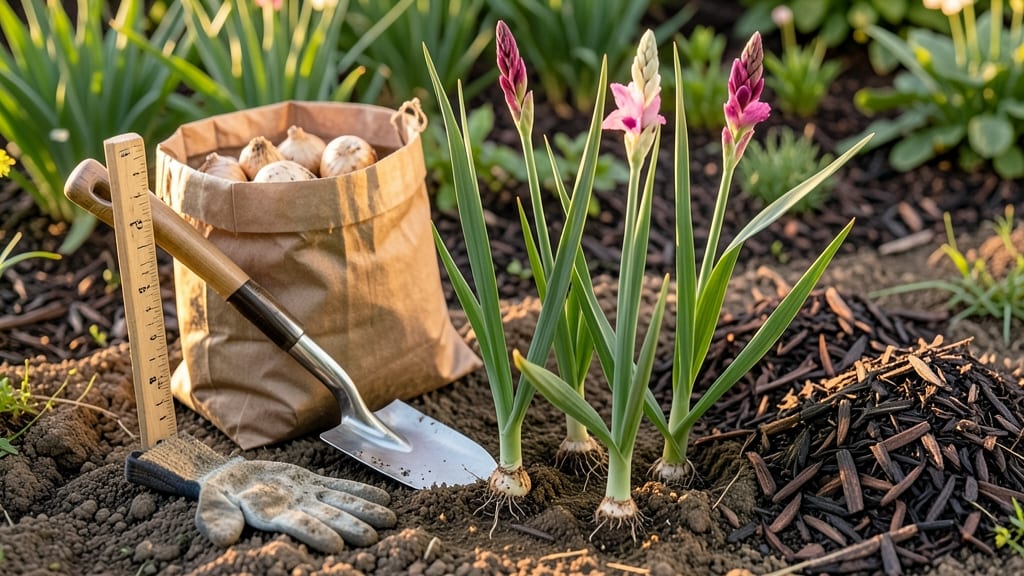
Timing gladiolus bulb planting in North Carolina could mean the difference between show-stopping summer blooms and a wasted season. These 🌸 beauties need precise conditions to thrive, and getting them in the ground too early risks frost damage while waiting too long means missing peak bloom season.
Most NC gardeners in zones 7a-8b should aim for planting between mid-April and early June, when soil temperatures consistently stay above 60°F. This window ensures your gladiolus corms establish strong roots before summer heat arrives, setting the stage for those dramatic spikes of color from July through September.
But here's the game-changer: your exact planting date depends on whether you're in the cooler mountain regions or warmer Piedmont areas.
I'll show you how to adjust for your specific microclimate, plus the 3 key soil prep steps that make all the difference in getting those corms off to a flying start.
Ready to transform your garden with 4-5 foot tall floral masterpieces? Let's dive into the exact planting schedule and care routine that'll have your gladiolus thriving all summer long—no guesswork required.
Best planting months for gladiolus bulbs in North Carolina’s climate zones
North Carolina’s diverse climate zones—from the cooler mountains (Zone 6a) to the warmer coastal plains (Zone 8a)—create unique planting windows for gladiolus bulbs. To avoid frost damage and ensure vibrant summer blooms, timing is critical. Here’s how to align your planting schedule with NC’s regional variations.
In most of NC, mid-April to early June is the ideal window for planting gladiolus corms. This ensures they establish roots before summer heat arrives.
However, gardeners in Zone 7a and cooler should start as late as early May to avoid early spring frosts, while Zone 8a gardeners can plant as early as late March for extended bloom seasons.
Gladiolus corms thrive when soil temperatures reach 60°F (15°C). In NC’s Piedmont region, this typically occurs by mid-April, while mountain areas may need to wait until late April or early May.
Use a soil thermometer to confirm—planting too soon in cold soil can stunt growth or invite rot.
For continuous summer color, consider staggered plantings every 2-3 weeks. This extends your bloom time from July through September. For example, plant a batch in early May for early summer blooms, followed by another in late May for late-season flowers.
NC Climate Zone Planting Guide
| Zone | Best Planting Window | Soil Temp Threshold | Bloom Time | Frost Risk |
|---|---|---|---|---|
| 6a (Mountains) | Early May | 60°F+ | Late July–Sept | High (late frosts) |
| 7a (Piedmont) | Mid-April–May | 60°F+ | June–Sept | Moderate |
| 7b (Coastal Piedmont) | Late March–April | 55°F+ | May–Sept | Low |
| 8a (Coastal Plains) | Late March–early June | 50°F+ | April–Oct | Minimal |
Coastal NC gardeners enjoy the longest growing season, allowing for earlier and later plantings. In Zone 8a, you can even plant a fall batch in September for late autumn blooms before the first frost. However, avoid fall plantings in cooler zones—the corms won’t establish roots before winter.
Always check your local last frost date (typically March 15–April 15 in NC) and plant 4–6 weeks beforehand. This gives gladiolus corms enough time to sprout and develop strong roots before summer’s peak heat.
For example, if your last frost is April 1, aim to plant by February 15–March 1.
Pro tip: Use black plastic mulch in cooler zones to warm the soil faster. This can shave off 1–2 weeks from your planting window, helping you avoid late frosts. Just remove the mulch once flowers emerge to prevent overheating.
Gladiolus bulbs are not frost-tolerant, so never plant them outdoors before your area’s last frost date. If you’re unsure, consult the NC State Climate Office or use a frost date calculator tailored to your county.
For example, Asheville (Zone 6b) has a later frost date than Raleigh (Zone 7b), so adjust accordingly.
Once planted, gladiolus thrive in full sun (6+ hours daily) and well-draining soil. Amend heavy clay soils with compost to prevent rot, and water deeply once a week during dry spells. With the right timing, your NC garden will burst with vibrant summer blooms from July through September.
How to time gladiolus planting for summer blooms without frost damage
Timing your gladiolus bulbs perfectly in North Carolina means avoiding late frosts while giving plants enough time to mature before fall. The key is planting 4-6 weeks before your last frost date, which typically falls between mid-March and early April across NC’s USDA zones 7a-8b.
For example, in the Piedmont region, aim for mid-April, while coastal areas can start slightly earlier.
Always check your local frost dates—the NC State Climate Office provides county-specific averages. If you’re unsure, use a soil thermometer to confirm the ground has warmed to 60°F at least 6 inches deep. Cold soil slows root growth, delaying blooms and making plants vulnerable to rot.
Here’s my foolproof method: Mark your calendar 6 weeks before your last frost date and plant your gladiolus corms then. For instance, if your last frost is April 15, plant on March 15. This ensures roots establish before warm weather arrives, setting the stage for July-September blooms.
- Check your NC county’s average last frost date (e.g., Raleigh: April 15; Asheville: April 20; Wilmington: March 20).
- Add 4-6 weeks to determine your ideal planting window (e.g., Raleigh: March 15-April 1).
- Verify soil temperature with a thermometer—wait until it’s 60°F+ at 6" depth.
- Choose a sunny spot with 6+ hours of direct sunlight daily.
- Loosen soil to 12 inches deep and mix in 2 inches of compost.
- Ensure drainage—gladiolus hate soggy roots. Amend clay soil with sand or perlite if needed.
- Dig holes 6 inches deep and 6 inches apart (12" apart for larger varieties).
- Place corms pointy end up, 2-3 inches deep (cover with 2 inches of soil initially).
- Water deeply after planting to settle soil and encourage root growth.
- Monitor forecasts—cover young shoots with frost cloth if temps drop below 32°F after planting.
- Use row covers or mulch heavily (straw or leaves) to insulate soil.
- Avoid overhead watering before frost—wet foliage freezes faster.
- Plant 2-3 batches every 2 weeks in April-May for continuous blooms.
- Choose early-, mid-, and late-season varieties (e.g., ‘Picasso’ for early, ‘Green Star’ for late).
- Deadhead spent blooms to encourage more flowers and extend the season.
If you miss the spring window, don’t panic—gladiolus can also be planted in early fall (late August to September) for spring blooms. However, this method requires extra care, like using black plastic mulch to warm the soil faster in spring.
For most NC gardeners, sticking to spring planting guarantees the most reliable results with minimal fuss.