
Plants
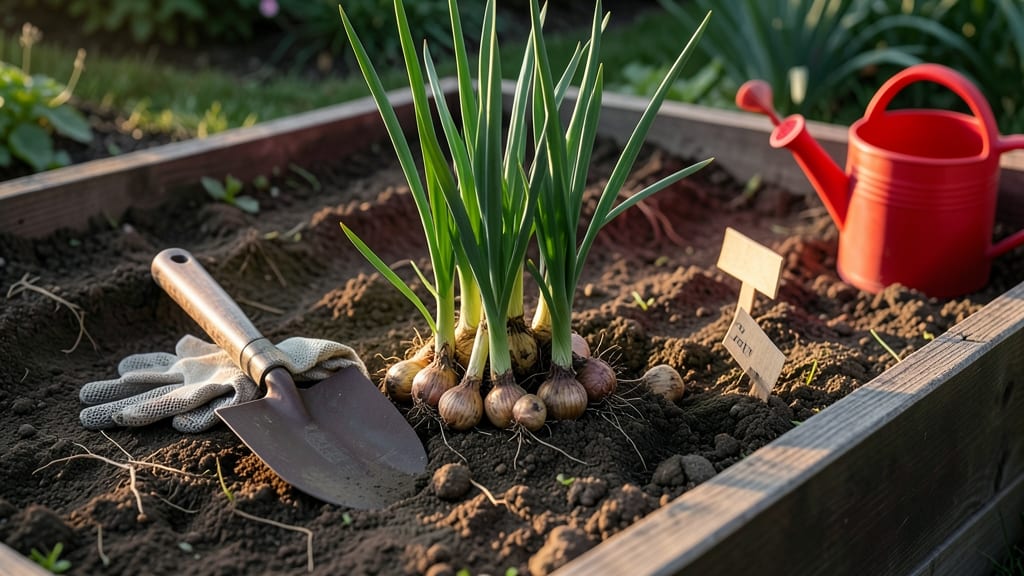
Planting gladiolus in Florida isn’t just about sticking corms in the ground—it’s about outsmarting the heat to unlock those stunning 🌸 blooms you’ve been dreaming of. With 365 frost-free days and intense summer sun, timing matters more than you might think.
Skip the wrong month, and you’ll end up with wilted stems or missed blooms entirely.
Here’s the secret: Florida’s 9a-11 zones give you two prime windows—August-September for fall blooms or February-March for spring color. But why? Because gladiolus need time to establish roots before the brutal summer heat kicks in or the cooler months slow them down.
Get this right, and you’ll enjoy vibrant flowers from October-November or May-June, depending on when you plant.
I’ve tested the best heat-resistant varieties and planting tricks, so you don’t have to guess. Whether you’re a seasoned gardener or just starting, these insights will help you avoid common mistakes like overwatering or planting too early.
Let’s dive into the exact months, soil tips, and care routines that make all the difference in Florida’s climate.
Ready to grow gladiolus that actually thrive? I’ll walk you through the step-by-step schedule, from soil prep to post-bloom care, so your garden stays lush and your flowers stay stunning—no matter how hot it gets.
Best months to plant gladiolus in Florida’s climate zones
Florida’s warm climate means gladiolus can bloom year-round, but timing matters to avoid heat stress or missed seasons. Unlike northern states, you won’t worry about frost, but humidity and summer heat demand strategic planting.
The best windows are August-September for fall blooms or February-March for spring displays, aligning with Florida’s USDA Zones 8-11.
In North Florida (Zones 8-9), cooler winters allow earlier spring planting (late January), while South Florida (Zones 10-11) can extend planting into early October for winter blooms. The key is planting when soil temps stay below 85°F—too early and corms rot; too late and blooms suffer.
Here’s your Florida-specific planting schedule by zone, including exact months and microclimate tips:
| Zone | Best Planting Months | Bloom Time | Key Tip |
|---|---|---|---|
| 8A-9A (North FL) | Feb 15–Mar 15 Aug 1–Aug 31 |
May–June Oct–Nov |
Avoid April planting—soil heats too fast. |
| 9B (Central FL) | Jan 20–Feb 20 Aug 15–Sep 15 |
Apr–May Sep–Oct |
Use shade cloth in peak summer to protect corms. |
| 10A-11 (South FL) | Feb 1–Mar 15 Aug 1–Sep 15 |
Apr–May Sep–Nov |
Year-round blooms possible with staggered plantings. |
For fall blooms, prioritize August planting—this gives corms time to establish roots before September’s heat spikes. In South Florida, you can even try October plantings for winter blooms, though yields may be smaller.
The critical rule: Never plant when daytime temps exceed 90°F for more than 3 days in a row.
Microclimates play a role too. Coastal areas like Miami or Tampa stay warmer longer, while inland Orlando or Gainesville cool faster. If you’re in a hotter microclimate, opt for shade cloth during peak afternoon sun or plant in raised beds for better drainage.
Mulch with pine straw to retain moisture without overheating the soil.
Pro tip: Soak corms in water for 2 hours before planting—this kickstarts root growth. Use well-draining soil (amend with compost or perlite if your soil is heavy clay) and plant 4–6 inches deep, with 4–6 inches between corms.
This spacing prevents crowding and fungal diseases, common in Florida’s humid air.
After planting, water deeply once a week (more in summer) and fertilize lightly with a balanced 10-10-10 mix every 6 weeks. Avoid overhead watering to prevent mildew—use drip irrigation instead.
With the right timing, your gladiolus will reward you with striking spikes of color from spring through fall.
Remember: Florida’s lack of frost means you can experiment with succession planting—try a monthly corm every February and August for continuous blooms. Just adjust watering and shading based on your local heat patterns.
🌸
Critical mistakes to avoid when planting gladiolus in Florida
Planting gladiolus in Florida’s heat and humidity can go wrong fast if you miss key details. The biggest mistake? Planting too early in spring or too late in fall, which stresses corms with extreme heat or cold snaps.
Even though Florida rarely freezes, unexpected cool fronts in January can damage tender new growth.
Another common blunder is ignoring soil drainage. Gladiolus corms rot quickly in soggy soil, especially after Florida’s heavy summer rains. Many gardeners also overwater during the hottest months, thinking the plants need more moisture—but this leads to fungal diseases like botrytis.
Here’s what you must avoid to keep your gladiolus thriving:
⚠️ Florida-Specific Planting Pitfalls
- Planting in peak summer (June-August): Corms bake in 90°F+ soil, causing rot before sprouting.
- Skipping mulch in fall: Without organic mulch, corms dry out in Florida’s winter sun.
- Using clay-heavy soil without amendments: Poor drainage = root rot in Florida’s humid climate.
- Fertilizing too early: Overfeeding before roots establish stresses plants in hot soil.
Pro Tip: Test soil pH—gladiolus thrive in 6.0-6.5. Florida’s sandy soils often need lime adjustments.
Even experienced gardeners fall for these traps. For example, I once planted gladiolus in May thinking the heat was behind us—only to watch the corms melt in the 95°F soil. Lesson learned: Wait until August for fall blooms or February for spring ones.
Pay attention to leaf color too. Yellowing leaves often signal overwatering or nutrient deficiency, while brown tips mean underwatering or salt buildup from hard water. Florida’s water can be tricky—use rainwater or filtered sources if possible.
Finally, resist the urge to crowd corms. Planting them too close (less than 4 inches apart) leads to competing roots and stunted blooms. Give each corm space to breathe and access sunlight, especially in Florida’s dense shade from palm trees or other tall plants.
By avoiding these mistakes, your gladiolus will reward you with bold, long-lasting blooms—even in Florida’s toughest conditions. 🌸