
Plants
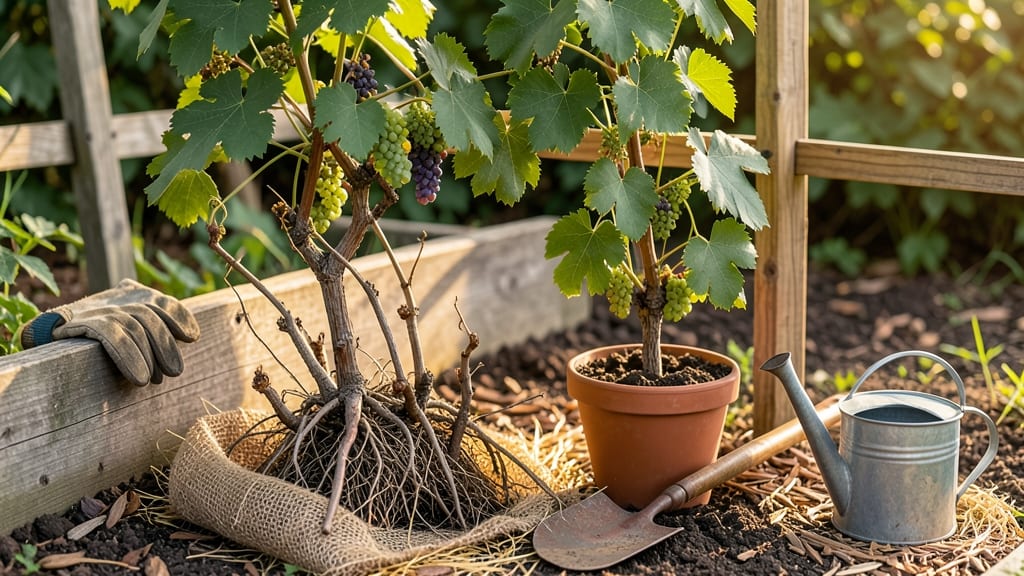
Planting your 🍇 grape vine at the wrong time in California could mean the difference between a thriving harvest and struggling vines.
The state’s dramatic climate shifts—from coastal fog to Central Valley heat—demand precise timing, especially since inland zones like USDA 8-10 face frost risks while coastal areas (9-11) can plant year-round.
I’ve helped California gardeners nail the perfect window, and the secret lies in understanding your microclimate. Coastal growers can plant bare-root vines in late winter or even year-round, while inland gardeners should aim for February-March to avoid early frosts.
Container-grown vines? They’re more flexible, letting you adjust timing based on weather forecasts.
Why does this matter? Planting too early risks fungal diseases in damp soil, while late planting stunts root growth before summer heat hits. I’ll break down the exact months for your region—plus how to prep soil and spot early warning signs of stress.
Let’s get those vines in the ground the right way.
Whether you’re growing wine grapes or sweet table varieties, timing is everything. You’ll learn how to match your grape type to California’s climate zones, from frost-tender Thompson Seedless to hardy Cabernet Sauvignon. Ready to set your vines up for success? Let’s dive into the details.
Best planting months for California grape vines by region (coastal vs. Desert vs. valley)
California’s five distinct growing zones create wildly different planting windows for grape vines. The Northern Coast (like Sonoma) enjoys mild winters, while the Central Valley (Sacramento) faces harsh frosts. Even the Southern Desert (Palm Springs) allows year-round planting. Getting this right means the difference between bountiful harvests and struggling vines.
I’ve worked with growers across these regions, and the key is soil temperature—not just calendar months. For most of California, bare-root vines thrive when soil warms to 50°F (10°C), while container-grown vines can handle cooler temps.
Let’s break it down by zone so you plant at the perfect time.
| Region | Best Planting Window | Soil Temp Goal | Key Considerations |
|---|---|---|---|
| Northern Coast (Sonoma, Napa) | November–March (year-round for containers) | 45–55°F (7–13°C) | Foggy mornings delay budbreak; avoid planting after March 15 to prevent heat stress. |
| Central Valley (Sacramento, Fresno) | February–March (bare-root only) | 50–60°F (10–16°C) | Frost risk until April; use row covers if planting early. |
| Southern Desert (Palm Springs, Coachella) | Year-round (best: October–March) | 60–70°F (16–21°C) | Drought-tolerant varieties like Thompson Seedless thrive here; mulch heavily to retain moisture. |
| Sierra Foothills (Amador, El Dorado) | March–April (after last frost) | 55–65°F (13–18°C) | High elevation means shorter growing season; choose early-maturing varieties like Zinfandel. |
| Coastal South (Santa Barbara, San Diego) | January–February (or fall for containers) | 50–58°F (10–14°C) | Cool evenings slow growth; prune lightly in first year to avoid fungal issues. |
Pro tip: If you’re in a transition zone (like the Bay Area), check the USDA Plant Hardiness Zone Map—most of California falls in zones 8–11. For example, San Francisco (Zone 10) can plant in November, while Bakersfield (Zone 9) waits until February.
One mistake I see often? Planting too late in frost-prone areas. In the Central Valley, vines planted after March 15 struggle to establish roots before summer heat sets in.
Always test soil moisture—dry soil accelerates stress. Use a soil thermometer ($10 at garden centers) to confirm temps before planting.
For container-grown vines, the rules relax slightly. You can plant year-round in coastal zones (like Santa Cruz or Monterey) because containers warm up faster. Just ensure your pot has drainage holes and use a well-draining potting mix with perlite.
Now, let’s talk soil prep. Grape vines hate compacted or waterlogged soil. In heavy clay areas (common in the Central Valley), mix in 3–4 inches of compost and sand to improve drainage.
For sandy soils (like in the Desert), amend with peat moss or coconut coir to retain moisture.
Finally, trellis installation is non-negotiable. Plant your vine with the trellis system already in place—grape vines grow 10+ feet per year and need support from day one. Use T-posts or sturdy wooden frames, and train the main cane upward immediately after planting.
Ready to pick your perfect planting window? Grab your soil thermometer, check your local frost dates, and get those vines in the ground before the wrong season steals your harvest. 🍇
How to adjust planting timing for grape varieties (wine vs. table vs. raisin)
Not all grape vines are created equal—and their planting windows in California depend on their end use. Wine grapes like Cabernet Sauvignon need a longer dormancy period, while table grapes like Thompson Seedless thrive with summer heat.
Even raisin grapes (like Black Corinth) have unique timing needs. I’ll break down the best months for each type, plus how to avoid common pitfalls like winter dieback or poor fruit set.
For wine grapes, the goal is establishing roots before spring growth. Plant bare-root vines in late winter (February-March) in inland areas or November-January along the coast. Varieties like Zinfandel and Syrah benefit from this early start—they need 120-180 frost-free days to ripen properly.
If you’re in USDA Zone 8, avoid planting after March to prevent frost damage to new shoots.
| Grape Type | Best Planting Window | Key Consideration | Frost Risk |
|---|---|---|---|
| Wine Grapes (Cabernet, Zinfandel) | Feb-Mar (inland) / Nov-Jan (coastal) | Needs long dormancy; plant early for root establishment | High (Zone 8-9) |
| Table Grapes (Thompson Seedless) | Mar-Apr (inland) / Year-round (coastal) | Prefers summer heat; avoid early planting in cold zones | Moderate (Zone 9-11) |
| Raisin Grapes (Black Corinth) | Apr-May (inland) / Feb-Mar (coastal) | Needs hot, dry summers; delay planting to avoid spring rains | Low (Zone 10+) |
Table grapes like Thompson Seedless are more flexible—they can handle cooler coastal springs and even year-round planting. But in Central Valley heat, aim for March-April to let roots establish before summer. These varieties are less frost-tolerant, so avoid planting in Zone 8 after March unless you have frost protection.
Raisin grapes, like Black Corinth, are the most heat-dependent. Plant them later in spring (April-May inland) to align with dry, hot summers. Early planting can lead to fungal issues from spring rains.
If you’re in Southern California (Zone 10-11), you can plant as late as March, but coastal gardeners should wait until February-March to avoid damp soil.
Pro tip: Container-grown vines give you more flexibility—plant them anytime in mild climates (like coastal areas) or adjust timing based on weather forecasts. Just ensure your trellis is ready before planting, as vines need support within weeks of going in the ground.
For bare-root vines, soak roots for 2-3 hours before planting to reduce transplant shock.
Timing isn’t just about the month—it’s about matching your grape’s growth cycle to California’s climate. Wine grapes need early starts, table grapes thrive with summer heat, and raisin grapes demand hot, dry conditions.
Get it right, and you’ll avoid common mistakes like stunted growth or poor fruit set—both signs of planting at the wrong time. 🍇