
Plants
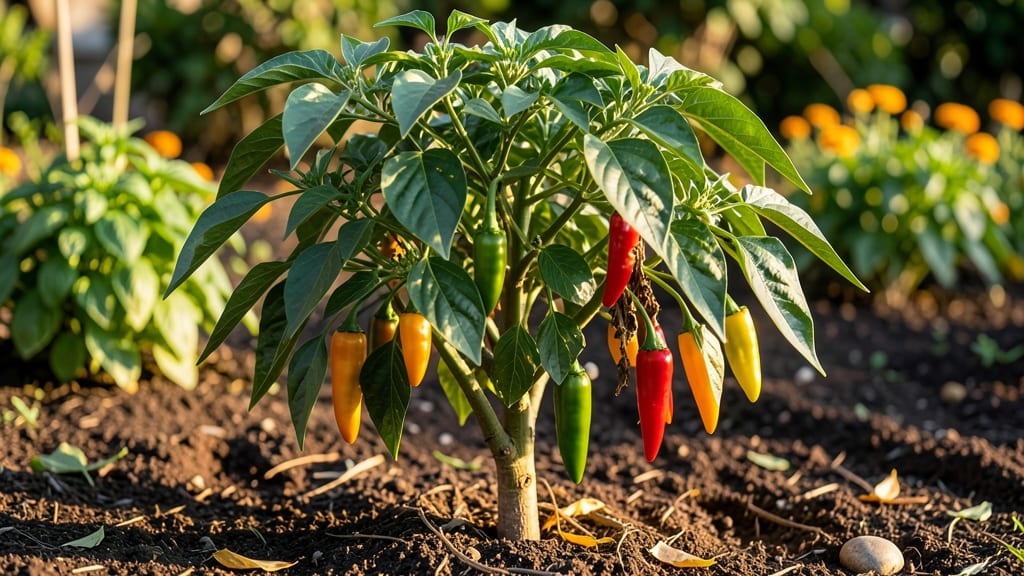
Wondering how tall your 🌶️ habanero plants will grow before they start producing those fiery peppers? The answer depends on the variety and growing conditions, but most reach between 2 and 4 feet at maturity—though some can stretch taller if left unchecked.
If you're planning your garden layout, this height range is crucial. Compact varieties stay around 2-3 feet, while standard types can hit 3-4 feet or more, especially in warm climates like USDA Zone 6a. Knowing these differences helps you space plants properly and avoid overcrowding.
Sunlight, pruning, and even your trellising approach play a big role in controlling height. Too little light or poor pruning can lead to leggy, sprawling plants, while strategic training keeps them manageable and productive. Let’s break down exactly what to expect from your habanero plants this season.
Whether you're a first-time grower or a seasoned pepper enthusiast, understanding these growth patterns will help you maximize space and yield. Ready to learn how to keep your plants at the perfect height for a bountiful harvest?


Habanero plant height by variety: exact growth ranges and space needs
Habanero plants typically reach 3 to 4 feet tall at maturity, but their height can vary dramatically depending on the variety and growing conditions. Some compact varieties like 'Dwarf Habanero' stay under 2 feet, while aggressive growers like 'Carolina Reaper' can exceed 4 feet without proper pruning.
Understanding these differences helps you plan your garden layout and avoid overcrowding.
Most habanero plants grow as bushy, multi-branched shrubs rather than tall vines, though some varieties develop longer stems when given ample sunlight and nutrients. The key factors influencing height are genetics, pruning practices, and space allocation.
For example, 'Red Savina' often grows 3 to 3.5 feet tall, while 'Rogue' can reach 4 feet or more in ideal conditions.
Here’s how to plan your garden space based on variety:
| Variety | Mature Height | Growth Habit | Spacing Needs |
|---|---|---|---|
| Carolina Reaper | 3.5–4+ ft | Bushy, dense | 18–24 inches apart |
| Red Savina | 3–3.5 ft | Compact, upright | 12–18 inches apart |
| Rogue | 3–4 ft | Semi-bushy, sprawling | 18–24 inches apart |
| Dwarf Habanero | 1.5–2 ft | Compact, bushy | 12 inches apart |
| Chocolate Habanero | 2.5–3.5 ft | Bushy, medium spread | 16–20 inches apart |
When planning your garden, consider that habanero plants need space to thrive. Overcrowding leads to competition for sunlight and poor air circulation, which increases the risk of fungal diseases like powdery mildew.
For most varieties, a 12–24 inch spacing between plants ensures they have room to grow without smothering each other.
If you’re growing habaneros in containers, choose pots that are at least 12 inches wide and deep to accommodate their root systems. Dwarf varieties can thrive in 5-gallon buckets, while standard varieties may need 7–10 gallon containers to prevent root binding, which stunts growth and reduces yield.
Another factor affecting height is pruning. Regular pruning—removing suction shoots and overly long stems—can keep plants 30–50% shorter than their natural height. This is especially useful if you’re growing habaneros in small spaces or container gardens.
Prune in the morning to allow wounds to heal during the day.
For vertical gardening, consider using trellises or cages to guide growth upward. This not only saves space but also improves airflow and sunlight exposure, which can actually reduce plant height by encouraging a more compact, bushier structure.
Just be sure to secure the trellis as the plant grows, since habanero stems can become top-heavy with fruit.
One common misconception is that all habanero plants grow tall. In reality, their height is highly variety-dependent. For example, 'Dwarf Habanero' stays under 2 feet, making it ideal for balcony gardens or indoor growing.
Meanwhile, 'Carolina Reaper' can reach 5 feet or more if left unchecked. Always check the seed packet or plant tag for
How to control habanero plant height: pruning, staking, and trellising tips
Managing the height of your habanero plants is easier than you think, and it starts with pruning. Regular pruning not only controls height but also boosts fruit production by directing energy to the main stem and branches.
For most varieties, pruning can reduce height by 30–50%, making them perfect for small gardens or container growing. The best time to prune is in the morning, when the plant is hydrated and wounds heal faster.
Start by removing suction shoots—those small, weak shoots that grow from the base or along the stem. These shoots drain energy from your plant. Next, trim any overly long stems that exceed your desired height.
Use clean, sharp pruners to avoid damaging the plant, and always cut just above a leaf node to encourage new growth. For dwarf varieties, minimal pruning is needed, but standard types like 'Carolina Reaper' benefit from more aggressive trimming.
Here’s a step-by-step guide to pruning your habanero plants for optimal height and yield:
- 🌱 Step 1: Wait Until Plants Are Established
Prune only after your habanero plants have 4–6 true leaves and are at least 6–8 inches tall. Early pruning can stunt growth. - ✂️ Step 2: Remove Suction Shoots
Cut off any weak shoots growing from the base or stem. These compete for nutrients and can make plants leggy. - 🌿 Step 3: Trim Long Stems
Shorten overly tall stems to your desired height, leaving 2–3 leaves above the cut. This encourages bushier growth. - 🌞 Step 4: Prune for Airflow
Remove crowded leaves inside the plant to improve air circulation and reduce disease risk. - 📅 Step 5: Prune Regularly
Repeat every 2–3 weeks during the growing season to maintain height and shape.
If your habanero plants are already too tall or top-heavy with fruit, consider staking or trellising. A simple bamboo stake or cage can support the plant and prevent it from flopping over. For vertical gardening, use a trellis or tomato cage to guide growth upward.
This not only saves space but also improves sunlight exposure and airflow, which can actually reduce legginess over time.
Another pro tip: Pinch back the tips of young plants to encourage bushier growth. Simply use your fingers to remove the top 1–2 inches of the main stem. This method works best on dwarf varieties or when growing in containers, where space is limited.
Just be sure to pinch in the morning to avoid stressing the plant.
For container growers, choose a deep, wide pot (at least 7–10 gallons for standard varieties) and prune more aggressively to keep the plant compact. Regular fertilizing with a balanced NPK 5-10-10 formula also supports controlled growth. Avoid over-fertilizing, as this can lead to excessive height and fewer peppers.
Remember, the goal is to balance height and yield. With the right pruning and support, your habanero plants will stay manageable while producing plenty of fiery peppers. Start small, observe how your plants respond, and adjust your approach as needed. Happy growing! 🌶️