
Plants
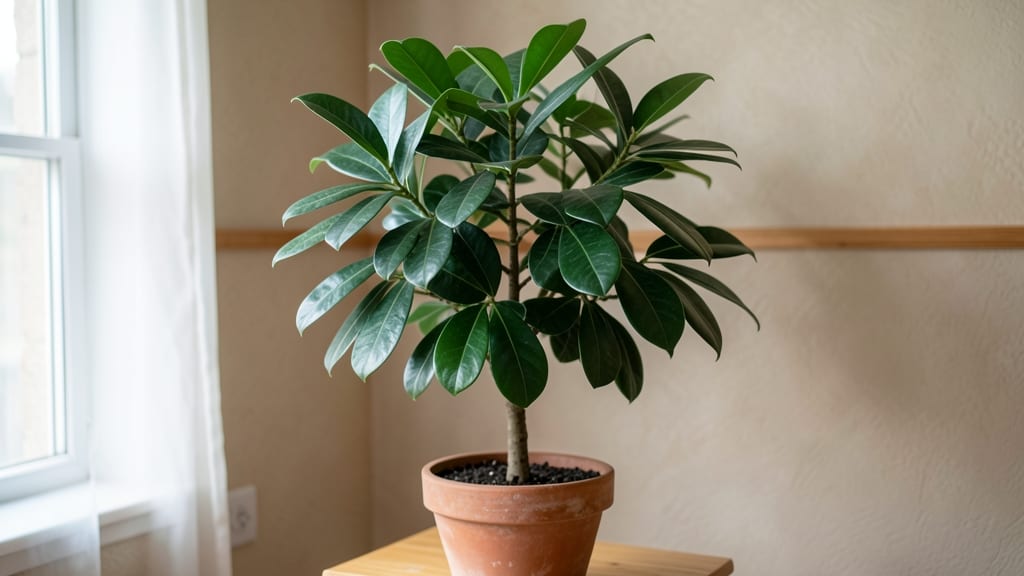
Wondering how tall your 🌿 Umbrella Plant could grow? This fast-growing shrub can reach 4 to 6 feet indoors or outdoors, but its height depends on where you plant it and how you care for it.
If you're keeping it inside, expect a more controlled growth—3 to 5 feet—while outdoor conditions can push it closer to its full height. The key to managing its size lies in light exposure, pruning, and container choices, especially if you're aiming for a compact look.
Whether you want it as a striking houseplant or a lush outdoor addition, understanding these growth factors will help you shape its height to fit your space perfectly. Let’s break down what influences its size and how to keep it at your desired level.
From dwarf varieties that stay under 3 feet to standard types that tower over 6 feet, this versatile plant adapts to your needs—with the right care, of course. Ready to learn how to guide its growth?


Mature height of umbrella plants: indoor vs outdoor growth differences
When you bring home an umbrella plant (Schefflera actinophylla), its mature height can vary dramatically based on where you grow it. Indoors, these plants typically reach 3 to 5 feet with proper care, while outdoors, they can soar to 6 feet or taller given ideal conditions.
The difference comes down to space, sunlight, and how you manage its growth.
Outdoor umbrella plants thrive in USDA Zones 10-12 or as container plants in cooler climates. Without pruning, they can grow aggressively, especially in full sun conditions. Indoors, their growth slows naturally due to limited light and space, making them easier to control.
If you're growing an umbrella plant in a container, its height will also depend on the pot size. Smaller pots restrict root growth, keeping the plant 2 to 3 feet tall, while larger containers allow it to reach its full potential.
Always choose a pot with drainage holes to prevent root rot.
Another factor is the variety you select. Dwarf varieties like Schefflera arboricola stay compact, often under 3 feet tall, while standard types can exceed 6 feet. Even within the same species, growth habits can differ based on genetics and care.
| Growth Factor | Indoor Height | Outdoor Height |
|---|---|---|
| Light Exposure | 3-5 ft (bright indirect light) | 6-10 ft (full sun) |
| Container Size | 2-3 ft (small pot) | 4-6 ft (large pot) |
| Pruning Frequency | 3-4 ft (regular pruning) | 6-10 ft (minimal pruning) |
| Variety | Dwarf: 1-3 ft | Standard: 6-12 ft |
For indoor growers, placing your umbrella plant near an east or west-facing window provides the ideal bright indirect light it craves. Too little light slows growth, while too much direct sun can scorch its leaves. If you notice leggy growth, it’s a sign your plant needs more light.
Outdoors, umbrella plants love warm climates with well-draining soil. In cooler zones, grow them in containers and bring them indoors during winter. Mulching around the base helps retain moisture and encourages steady growth without sudden height spikes.
One common misconception is that umbrella plants grow quickly in any condition. In reality, they thrive best with consistent moisture and moderate humidity. Overwatering or underwatering can stunt growth, so always check the top inch of soil before watering.
If you're aiming for a compact umbrella plant, prune it regularly to encourage bushier growth. Pinch back new growth in spring to maintain a smaller stature. For larger plants, minimal pruning lets them reach their full height potential.
Whether you're growing your umbrella plant indoors or outdoors, understanding these factors will help you manage its height effectively. With the right care, you can enjoy its lush foliage at just the right size for your space.
How to control umbrella plant height: pruning and care tips
Controlling the height of your umbrella plant starts with smart pruning techniques. If you want to keep it as a compact tabletop plant, prune it back by 1/3 every spring.
Use clean, sharp pruners to cut just above a leaf node—this encourages bushier growth and prevents leggy stems.
For a taller umbrella plant, minimal pruning is key. Let it grow naturally, but remove only dead or yellowing leaves to maintain its shape. Avoid heavy pruning, as this can stress the plant and slow its growth. Instead, focus on regular trimming to shape it as it grows.
Another way to manage height is through container size. Smaller pots restrict root growth, keeping your plant 2 to 3 feet tall. If you want a bushier, shorter plant, choose a pot that’s only slightly larger than its root ball.
For taller growth, opt for a larger container with at least 12 inches of depth.
Step-by-Step Pruning Guide
- ✂️ Step 1: Wait until spring when new growth starts.
- 🌱 Step 2: Trim back leggy stems to encourage branching.
- 🌿 Step 3: Cut just above a leaf node for best results.
- 🪴 Step 4: Repot if roots are crowded to promote controlled growth.
- ☀️ Step 5: Place in bright, indirect light for optimal growth.
Light exposure plays a crucial role in height control. Umbrella plants thrive in bright indirect light, which keeps their growth compact and healthy. If your plant is growing too tall too quickly, it may need more direct sunlight—just avoid harsh afternoon rays to prevent leaf burn.
Fertilizing also impacts growth speed. Use a balanced fertilizer (10-10-10) every 4-6 weeks during spring and summer to encourage steady growth. Reduce feeding in fall and winter to slow growth during dormancy. Over-fertilizing can lead to rapid, unchecked height, so always follow package instructions.
Finally, rotate your plant every few weeks to ensure even growth. This prevents it from leaning toward light sources, which can make it look lopsided or overly tall on one side.
With these simple tips, you can keep your umbrella plant at your desired height—whether you prefer a small tabletop specimen or a tall indoor tree.