
Plants
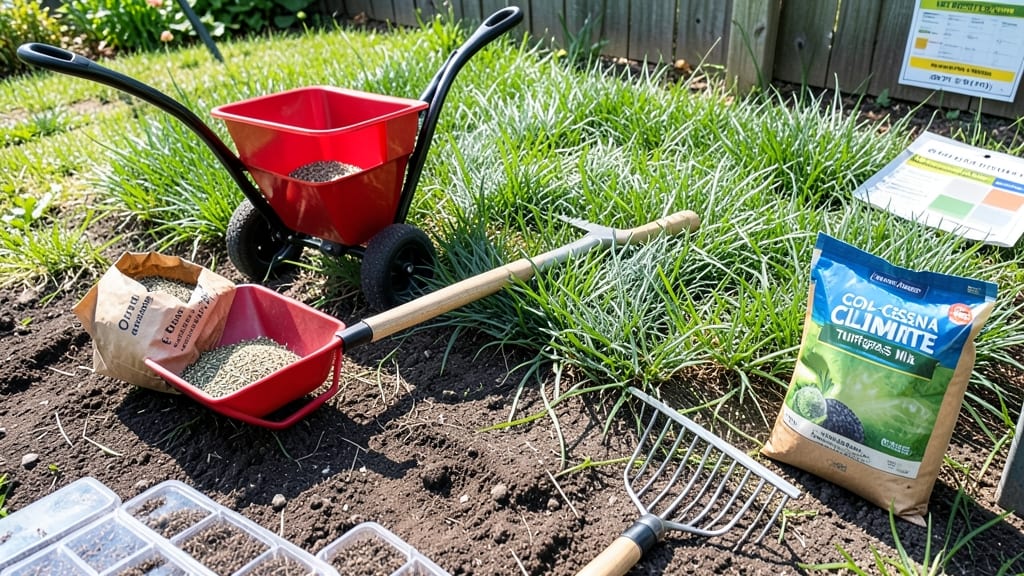
Planting grass seed in Minnesota at the wrong time can turn your dream of a lush lawn into a costly mistake—especially when frost sneaks in and wipes out your efforts overnight.
The perfect window depends on whether you're in the Twin Cities or up near Duluth, where soil temperatures and frost dates shift dramatically.
Most Minnesota gardeners swear by early fall planting—between August and September—when cooler air and consistent moisture give seeds the best shot at rooting before winter.
But spring offers a backup, with April to early May being ideal once the ground thaws and stays frost-free for at least 10 days.
Here’s the key: soil temperature must stay above 50°F for seeds to germinate, and rainfall needs to cooperate. We’ll break down exactly when to plant in your county, plus how to adjust for Minnesota’s unpredictable weather—so you can finally get that even, green lawn you’ve been dreaming of.
Skip the guesswork and learn the exact timing for your area, whether you’re seeding in spring or fall. Let’s make sure your grass takes hold—and stays that way.
Minnesota’s frost-free planting windows by county: southern vs northern timelines
Minnesota’s USDA zones 3-5 create dramatic differences in planting windows—what works in Rochester (Zone 4b) might fail in International Falls (Zone 3b). The key is soil temperature, not just frost dates.
Grass seed needs consistent 50°F+ soil to germinate, and Minnesota’s northern counties often wait 2-3 weeks longer than southern regions.
Southern Minnesota (e.g., Winona, Rochester, Mankato) typically sees last frost dates in mid-April, while northern areas (e.g., Duluth, Grand Rapids) can wait until late May.
This creates a 6-week difference in planting readiness. Always verify with the MN DNR’s frost date maps or Almanac’s county-specific tools.
Here’s how to check your local window: Use a soil thermometer (not air temp!) at 4-inch depth. For cool-season grasses (Kentucky bluegrass, fine fescue), aim for 50-60°F soil.
Warm-season grasses (like tall fescue) need 60-70°F. Northern counties often hit these temps 2 weeks later than southern ones.
For example, in Minneapolis (Zone 4a), the ideal spring window is April 15–May 15, while in Duluth (Zone 3b), it’s May 1–June 1. Fall planting shifts these dates 2 months earlier, but northern areas have shorter windows before frost.
🌱
| County | USDA Zone | Spring Planting Window | Fall Planting Window | Soil Temp Threshold | ||||||||||||||
|---|---|---|---|---|---|---|---|---|---|---|---|---|---|---|---|---|---|---|
| Minneapolis | 4a | April 15–May 15 | August 20–September 15 | 50–60°F | ||||||||||||||
| Rochester | 4b | April 1–May 10 | August 15–September 10 | 50–60°F | ||||||||||||||
| St. Cloud | 4b | April 10–May 10 | August 15–September 5 | 50–60°F | ||||||||||||||
| Duluth | 3b | May 1–June 1 | August 5–September 1 | 50–60°F | ||||||||||||||
| Fargo (ND border) | 4a | May 10–June 1 | August 1–August 20 | 55–65°F | ||||||||||||||
| Winona | 4b | April 1–May 5 | August 20–September 15 | 50–60°F | ||||||||||||||
| Grand Rapids | 3b | May 15–June 1 | August 1–August 15 | 55–65°F | ||||||||||||||
| Mankato | 4b |
Backup fall planting dates for Minnesota: how late can you plant grass seed?Fall is often the best time to plant grass seed in Minnesota—it gives seedlings a head start before winter. But how late is too late? In most counties, you can plant until mid-September, but northern areas like Duluth may need to wrap up by early September. Soil temperatures should stay above 50°F for at least 4-6 weeks after planting to ensure germination. Southern Minnesota (e.g., Rochester or Mankato) has more flexibility, with some gardeners successfully planting into early October if frost isn’t imminent. However, cool-season grasses like Kentucky bluegrass or fine fescue—common in MN—thrive when planted 4-6 weeks before the first frost. Check the MN DNR’s frost prediction tool to avoid late surprises. If you miss the ideal window, don’t panic. Row covers or microclimates (like south-facing slopes) can extend the season by 2-3 weeks. Just avoid planting when nighttime temps drop below 40°F, as this slows germination to a crawl. 🌱 Minnesota Fall Planting Deadlines by Region
Prepping soil for fall planting is half the battle. Test your soil’s pH (6.0-7.0 is ideal) and amend with compost or peat moss if needed. Rake the area to a ¼-inch depth for even seed contact, and water lightly before planting. After seeding, use a straw mulch to protect seeds from erratic fall rains. Fall-planted grass also benefits from a light nitrogen fertilizer in early fall to encourage root growth before winter. Skip heavy feeding—too much nitrogen now can lead to weak, frost-sensitive growth. Instead, focus on watering deeply 2-3 times per week until the ground freezes. If you plant too late, don’t stress—spring is your backup. But fall-planted lawns often outperform spring ones because seedlings establish roots before summer heat and weeds take over. Just mark your calendar for late August and aim to finish by mid-September in most of the state. |