
Plants
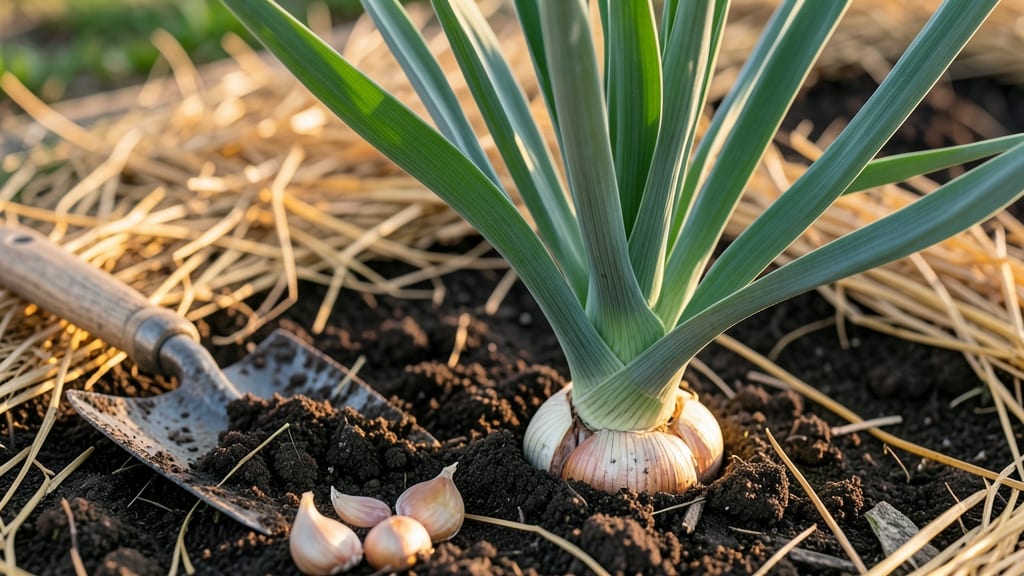
Planting garlic in Oregon at the wrong time could mean the difference between a flourishing harvest of 🧄 and wasted effort. With the state's varied elevations and microclimates—from coastal mildness to inland cold snaps—timing isn't just important, it's critical.
Most gardeners know fall is the ideal season, but Oregon's USDA zones 7b-9a create unique challenges. Whether you're in the Willamette Valley or Eastern Oregon, getting the timing right ensures your cloves establish roots before winter sets in.
In this guide, I'll walk you through the exact planting windows for both hardneck and softneck varieties, adjusted for elevation. You'll learn how to account for Oregon's unpredictable frost patterns and soil conditions to maximize your yield.
Ready to grow bigger, healthier garlic? Let's dive into the perfect planting schedule for your specific corner of Oregon—so you can enjoy that first harvest next summer.
Oregon garlic planting calendar by elevation: hardneck vs softneck months
Oregon’s diverse climate—from the coastal fog of the Willamette Valley to the high desert of Eastern Oregon—means your garlic planting schedule should match your elevation and microclimate. Hardneck garlic thrives in cooler high-elevation zones (USDA 6-7), while softneck varieties do better in warmer lowlands (USDA 8-9).
Planting at the wrong time can lead to premature sprouting or frost damage.
For most of Oregon, fall planting is ideal—typically between October and November. This gives garlic roots time to establish before winter while avoiding early frost.
Coastal areas (like Astoria or Newport) can plant slightly later, while high-desert regions (like Bend or La Grande) need to plant 4-6 weeks earlier to account for earlier freezes.
Here’s how to align your planting with Oregon’s elevation zones and garlic type:
| Elevation Zone | USDA Zone | Garlic Type | Best Planting Month | Key Consideration |
|---|---|---|---|---|
| Low Elevation (0-1,000 ft) | 8-9a | Softneck (e.g., Silverskin) | October 15–November 15 | Warmer winters; avoid late planting (risk of sprouting before frost) |
| Mid Elevation (1,000–3,000 ft) | 7b-8a | Hardneck (e.g., Rocky Mountain) | October 1–November 1 | Balanced frost risk; ideal for hardneck varieties |
| High Elevation (3,000+ ft) | 6a-7a | Hardneck (e.g., German Red) | September 15–October 15 | Earlier frost; plant 6+ weeks before first freeze |
| Coastal (Foggy) | 8b-9a | Softneck or artichoke garlic | November 1–December 1 | Milder winters; delay planting to avoid wet soil |
Hardneck garlic—like Chesnok Red or Music—needs cold vernalization to form bulbs, so it’s best suited for cooler zones. Softneck varieties (e.g., California Early) store better but struggle in harsh winters.
If you’re in Zone 8 or warmer, you can plant in early spring (February–March), but yields will be smaller.
Use your local frost dates as your guide. Check the Oregon State University Extension for your area’s first frost (typically late October–early December). Plant garlic 4-6 weeks before that date to ensure roots establish before freezing.
For example, in Portland (Zone 8b), aim for October 15–November 1, while in Bend (Zone 6a), plant by October 1.
Pro tip: Test your soil before planting. Oregon’s volcanic soils (like in the Willamette Valley) drain well but may need compost or aged manure to improve fertility.
Aim for a pH of 6.0–7.0. If your soil is clay-heavy (common in Eastern Oregon), amend with sand or perlite to prevent waterlogging.
Spring-planted garlic is possible but risky in Oregon. If you miss the fall window, plant in February–March and expect smaller bulbs. This method works best in Zone 8+ (e.g., Medford or Eugene) where winters are mild.
In colder zones, spring planting often results in bolting (flowering) instead of bulb formation.
Remember: Clove size matters. Use large, plump cloves (the size of a grape) for bigger bulbs. Smaller cloves produce smaller harvests. Break apart bulbs just before planting—never store them in the fridge, as the cold can trigger premature sprouting.
Once planted, mulch heavily (4–6 inches of straw or leaves) to protect from freeze-thaw cycles. This is especially critical in Eastern Oregon, where temperatures can swing wildly. Mulch also suppresses weeds and retains moisture during Oregon’s dry summers.
🌱
How to adjust planting dates for Oregon’s microclimates and soil conditions
Oregon’s diverse microclimates—from the coastal fog of the Willamette Valley to the dry heat of Eastern Oregon—can shift your garlic planting window by 4-6 weeks. Coastal areas like Astoria or Portland may experience milder winters, while high-desert regions like Bend or La Grande face earlier frosts.
Adjusting your schedule based on local frost dates and soil drainage is key to success.
Start by checking your last average frost date—typically late October to early December in most of Oregon. Plant garlic 4-6 weeks before the first hard freeze, but if your soil stays too moist (common in coastal areas), opt for larger cloves or raised beds to prevent rot.
In drier inland zones, you might push planting into early November without risking frost damage.
🚨 CRITICAL: Soil temperature matters more than air temperature. Use a soil thermometer—garlic roots need 40-50°F soil to establish. In warmer microclimates (e.g., Medford or Hood River), plant as early as mid-October; in cooler zones (e.g., Mount Hood), wait until late October.
⚠️ Watch for Soil Saturation
Oregon’s heavy winter rains can drown garlic cloves. If your garden sits in a low-lying area or has clay-heavy soil, plant on mounds or use gravel amendments to improve drainage. Coastal gardeners should avoid December planting—the risk of waterlogged soil outweighs the benefit of extra growth time.
For high-elevation gardens (above 3,000 feet, like Baker City), prioritize hardneck varieties like ‘German White’ or ‘Silverskin’, which thrive in shorter growing seasons. Plant these earlier (September-October) to ensure bulbs mature before June frosts.
In contrast, lowland areas (USDA Zone 8-9) can handle softneck varieties like ‘Artichoke’ planted as late as November.
Test your soil’s pH (6.0-7.0) and drainage before planting. Amend sandy soils with compost to retain moisture, while clay soils benefit from gypsum or perlite. Mulch with straw (not wood chips) to insulate roots—this is especially critical in Eastern Oregon’s freeze-thaw cycles.
Remove mulch in early spring to prevent fungal diseases like white rot.
Pro tip: Use local garlic growers’ reports (check Oregon State University Extension or Portland Garlic Festival forums) to fine-tune your timing. For example, Willamette Valley growers often plant 2 weeks earlier than Columbia Gorge gardeners due to warmer nights.
When in doubt, plant a test row in mid-October—you can always add more cloves later if needed.
Finally, remember that spring-planted garlic (a common mistake!) rarely bulbs well in Oregon’s climate. The 60-90 days of cold dormancy are essential for flavor and size.
If you miss the fall window, store cloves in the fridge until next October—don’t risk a spring experiment unless you’re in Zone 9 (e.g., Medford).