
Plants
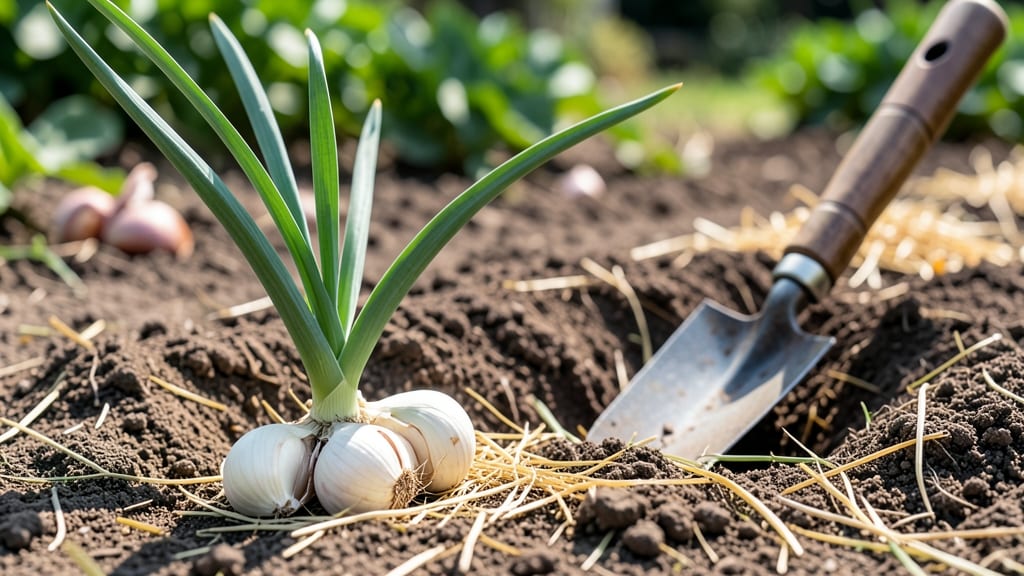
Planting garlic 🧄 at the wrong time can mean the difference between plump, flavorful bulbs and disappointing harvests—so timing is everything for fall planting.
If you're in USDA Zone 6a like me, you've got a 4-6 week window before the first frost hits, and getting it right ensures your garlic thrives through winter.
Most gardeners aim to plant garlic 4-6 weeks before the first frost, typically in October or early November. This timing gives the roots time to establish before the ground freezes, setting the stage for those big, bold bulbs we all love.
But here's the catch: your exact planting date depends on your local climate and whether you're growing hardneck or softneck varieties.
Why does this matter? Because garlic needs cold exposure to form proper bulbs, but too much cold too soon can stunt growth. I'll walk you through how to calculate your perfect planting window, adjust for late starts, and even troubleshoot common mistakes that keep garlic from reaching its full potential.
Ready to grow garlic that'll make your kitchen the envy of the neighborhood? Let's dive into the science and secrets of fall planting that'll have you harvesting mid-summer bulbs next year—no guesswork required.
The exact fall planting window for garlic (with frost timing guide)
Timing your garlic planting is like catching a wave—too early, and the cloves rot; too late, and you get puny bulbs. The golden rule is planting 6-8 weeks before your first expected frost, but this translates differently across regions.
For example, in USDA Zone 5, that means late September to early October, while Zone 8 gardeners might plant as late as December. This window ensures garlic establishes roots before winter dormancy kicks in.
Why does frost timing matter? Garlic needs 40-50°F soil temperatures to sprout properly, and a 6-week head start before freezing temps gives roots time to anchor before winter slows growth.
Missing this window risks shallow roots or frost damage to emerging shoots. Always check your local USDA Plant Hardiness Zone and average frost dates to pinpoint your exact planting window.
🌱 Visual Guide: Fall Garlic Planting by Climate Zone
| USDA Zone | First Frost Date (Approx.) | Planting Window | Soil Temp Target (°F) | Key Consideration |
|---|---|---|---|---|
| Zones 3-4 | Mid-September | Early September | 45-50°F | Short growing season; use cold-hardy varieties |
| Zones 5-6 | Late October | Late September | 40-45°F | Ideal for hardneck varieties |
| Zones 7-8 | Mid-November | October-November | 50-55°F | Milder winters; plant later |
| Zones 9-10 | December-January | November-December | 55-60°F | Use softneck varieties; may need winter protection |
Pro Tip: Check The Old Farmer's Almanac for your local frost dates.
To calculate your exact planting date, start with your average first frost date (find this via the USDA frost map or local agricultural extension). Subtract 6-8 weeks—this gives you your planting window. For example, if your frost date is November 15, aim to plant by late September.
Seed catalogs often include planting charts; I always cross-reference these with my local data for peace of mind.
Don’t overlook soil temperature—it’s just as critical as frost dates. Use a soil thermometer to confirm temps are between 40-50°F before planting. Cold soil slows germination, while soil above 60°F can cause cloves to sprout too quickly, making them vulnerable to rot.
If your soil is too warm, wait a few days or use a shade cloth to cool it down.
Regional adjustments are key. In northern climates (Zones 3-5), early planting (late August) is safer due to shorter growing seasons. Meanwhile, southern gardeners (Zones 8-10) can plant later (November-December) but may need to use row covers for frost protection.
Always err on the side of earlier planting—you can always mulch heavily to protect from winter cold.
One common mistake is relying solely on calendar months instead of frost dates. For instance, planting in October might be perfect in Zone 5 but disastrous in Zone 8 where frost comes later.
Use a frost calendar or app like PlantNet to get hyper-localized advice. I’ve seen gardeners in Texas plant in December while those in Maine plant by early September—same month, opposite outcomes!
Finally, consider your garlic variety. Hardneck garlic thrives in colder climates and needs a cold period to form bulbs, while softneck garlic prefers milder winters. If you’re in Zone 9+, opt for softneck varieties like Silverskin or Artichoke, which can handle warmer winters.
For colder zones, hardnecks like Rocky Mountain or German White are ideal.
Planting garlic at the right
5 Critical factors that determine your perfect planting date
Timing your garlic planting isn't just about frost dates—it's a delicate balance of soil temperature, day length, and even your garlic variety. I've learned the hard way that planting too early or late can derail your entire harvest, even if the frost dates align perfectly.
Let's break down the five factors that truly matter for your planting success.
First, soil temperature is non-negotiable. Garlic roots need soil between 40-50°F to establish properly. If you plant when soils are still warm (above 50°F), your cloves may rot before they even sprout. I always test my soil with a thermometer before planting—it's the difference between thriving bulbs and total failure.
Day length plays a surprising role too. Garlic needs 12-14 hours of daylight to form proper bulbs. Planting after day length exceeds 12 hours can result in skinny, weak bulbs. This is why southern gardeners often plant later than northern ones—longer days in the south mean waiting until November or even December.
Your garlic variety matters more than most gardeners realize. Hardneck varieties like 'Music' or 'German White' need cold winters (below 20°F) to form proper bulbs, while softneck varieties like 'Silverskin' or 'Artichoke' do better in milder climates.
I've had hardneck garlic fail completely in my milder Zone 7 winters—always check your variety's requirements before planting.
Don't overlook microclimates in your garden. A south-facing bed warms up faster in spring than a north-facing one, which can create a 2-3 week difference in planting windows.
I once planted garlic in my north-facing bed a week early because I assumed it was safe—only to lose half the crop to rot. Always scout your specific planting spots before committing.
Finally, soil moisture during winter dormancy can make or break your harvest. Soggy soil leads to rot, while bone-dry conditions stunt growth. I've found that well-draining soil with organic matter is the golden ticket—amend your beds with compost before planting to improve drainage and moisture retention.