
Plants
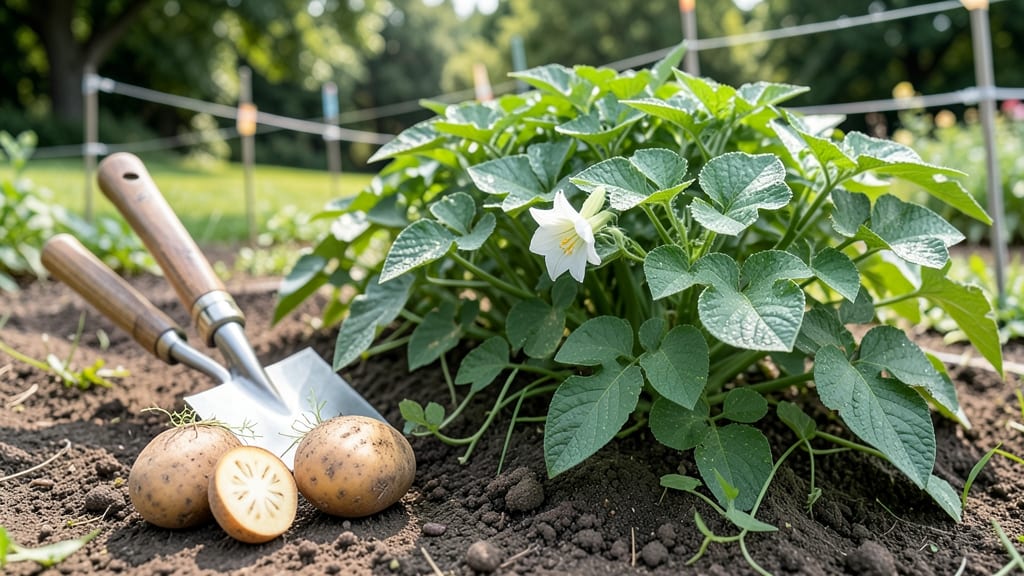
Planting potatoes in Indiana at the wrong time can turn your 🥔 dreams into a soggy mess—literally. With spring frost lingering until mid-April in most of the state, getting the timing right isn’t just about following a calendar; it’s about outsmarting Mother Nature’s mood swings.
If you’ve ever watched your potato sprouts freeze back or rot in damp soil, you know the stakes.
The key is planting when soil temperatures hit 45°F—typically 2-4 weeks before your last frost—but that window shifts depending on whether you’re growing early varieties like ‘Yukon Gold’ or late-season ‘Russets.’
I’ll break down the exact planting schedule for Indiana’s USDA Zone 6a, including how to adjust for wet springs, container gardening, and even succession planting for a continuous harvest. No more guessing—just reliable, frost-proof results.
Ready to turn your garden into a potato powerhouse? Let’s dig into the details that actually work for Indiana’s climate, so you can harvest those golden tubers like a pro by summer’s end.
Indiana potato planting dates by variety: frost-free guidelines for maximum yield
Indiana’s USDA zones 5-6 create a unique challenge for potato growers—late frosts can delay planting, while short growing seasons demand precise timing. Most Indiana gardeners aim to plant potatoes 2-4 weeks before the last frost date, typically between mid-March and early April.
However, the exact timing depends on your potato variety type (early, mid-season, or late) and whether you’re growing in the ground or containers.
For northern Indiana (e.g., Gary, South Bend), where frosts linger longer, start with cold-hardy varieties like 'Yukon Gold' or 'Red LaSoda' as early as late February under row covers. Southern Indiana (e.g., Evansville, Bloomington) can plant 2 weeks earlier, often by mid-March.
Always wait until soil temperatures reach 45°F (7°C)—colder soil slows sprouting and invites rot.
Here’s the key rule: Early varieties (60-90 days to harvest) need earlier planting to avoid blight, while late varieties (100-120 days) can wait until early April. Soil preparation is just as critical—amend with compost or aged manure to improve drainage, as Indiana’s clay-heavy soils can suffocate roots.
| Variety Type | Planting Window (Indiana) | Days to Harvest | Soil Temp Requirement | Notes |
|---|---|---|---|---|
| Early (e.g., 'Early Red', 'Kennebec') | Late February–Mid March | 60–90 days | 45°F (7°C) | Best for northern Indiana; harvest by July 4th. |
| Mid-Season (e.g., 'Yukon Gold', 'Russet') | Mid March–Early April | 90–110 days | 45–50°F (7–10°C) | Most versatile for Indiana; plant after last frost. |
| Late (e.g., 'Purple Viking', 'Katahdin') | Early April–Mid April | 100–120 days | 50°F (10°C) minimum | Riskier in northern Indiana; use row covers. |
| Container Grown (e.g., 'Red Norland') | Mid April–Early May | 80–100 days | 50°F (10°C) | Plant in 5-gallon pots; harvest earlier. |
⚠️ Pro Tip: Use a soil thermometer to confirm readiness—45°F (7°C) is non-negotiable for sprouting.
Indiana’s average last frost date is April 15, but microclimates vary. For example, Lake Michigan’s influence keeps Gary and Michigan City colder longer, while southern Indiana’s warmer valleys (like Terre Haute) may see frost-free soil by mid-March.
To hedge your bets, plant a mix of early and mid-season varieties—this gives you a staggered harvest and reduces risk if spring delays occur.
One common mistake? Planting too deep. In Indiana’s clay-heavy soils, bury seed potatoes only 4–6 inches deep—deeper planting leads to smaller yields and slower sprouting. After planting, mound soil around stems as they grow (a process called hilling) to prevent greening and encourage tuber formation.
Mulch with straw or grass clippings to retain moisture and suppress weeds.
For container gardening, Indiana’s short season works in your favor—compact varieties like 'Red Norland' thrive in 5-gallon pots and can be planted 2 weeks later than in-ground potatoes. This flexibility lets you extend the season into early May if frost delays ground planting.
Just ensure pots have drainage holes and use a lightweight potting mix to avoid waterlogging.
Monitor your garden for late frosts using the National Weather Service or local Purdue Extension alerts. If frost threatens after planting, cover rows with floating row covers or old bedsheets—even a light frost can damage emerging sprouts.
In my Indiana garden, I’ve lost entire rows of early potatoes to April frosts, so I now plant half my seeds under cloches as a safeguard.
Harvest timing is just as critical. In Indiana, early varieties are ready by July 4th, while late varieties may need to stay in the ground until late September.
Dig a few test potatoes when foliage yellows and dies back—if the skin resists your thumbnail, they’re ready. For storage, cure potatoes in a dark, 50–
How to adjust potato planting for Indiana’s unpredictable spring weather
Indiana’s spring weather is famously fickle—one day it’s 60°F and sunny, the next you’re shoveling snow. If you’ve ever planted potatoes only to watch frost nip your sprouts, you know how quickly plans can go awry.
The key is flexibility: adjusting your planting timeline based on soil temperature, not just the calendar.
Most Indiana gardeners aim to plant 2-4 weeks before the last frost (around April 15), but that’s a moving target. If your soil stays cold and soggy into May, you’ll need to delay or use cold-hardy varieties.
Here’s how to stay ahead of Indiana’s weather quirks and still get a great harvest.
🚨 CRITICAL ADJUSTMENT: Always check soil temperature with a soil thermometer. Potatoes won’t sprout until the ground hits 45°F—colder soil means wasted seeds. In wet springs, wait for the soil to dry enough to work without clumping.
Indiana’s Frost Traps and How to Beat Them
Problem: Low-lying areas, valleys, and north-facing slopes in Indiana stay colder longer. Even after the "official" last frost, pockets of frost can linger for 1-2 weeks, especially in USDA Zone 5b (northern Indiana).
Solution: Plant early varieties like 'Early Girl' in raised beds or on south-facing slopes. Use row covers (like Reemay fabric) to protect sprouts until the danger of frost passes completely.
Pro Tip: If your area has a history of late frosts, delay planting by 10-14 days and opt for mid-season varieties like 'Kennebec' instead of risking early losses.
Another Indiana-specific challenge? Excessive rainfall in spring. Soggy soil leads to rot and poor tuber formation. To combat this, plant potatoes in well-draining soil or raised beds. Add compost or sand to heavy clay soils to improve drainage before planting.
For gardeners in southern Indiana (Zone 6a), where springs arrive earlier, you can push the envelope with late-winter planting. Start early varieties in February under row covers or in a greenhouse.
This gives you a jump on the season and avoids the spring rush. Just be ready to protect them if a late frost hits!
Finally, consider succession planting to stretch your harvest window. Plant early, mid-, and late-season varieties 2-3 weeks apart. This way, you’ll have new potatoes in July and full-sized spuds by September, even if spring throws curveballs.
With these adjustments, you’ll turn Indiana’s unpredictable spring into an advantage—harvesting fluffy, disease-free potatoes no matter what Mother Nature throws your way. 🌱