
Plants
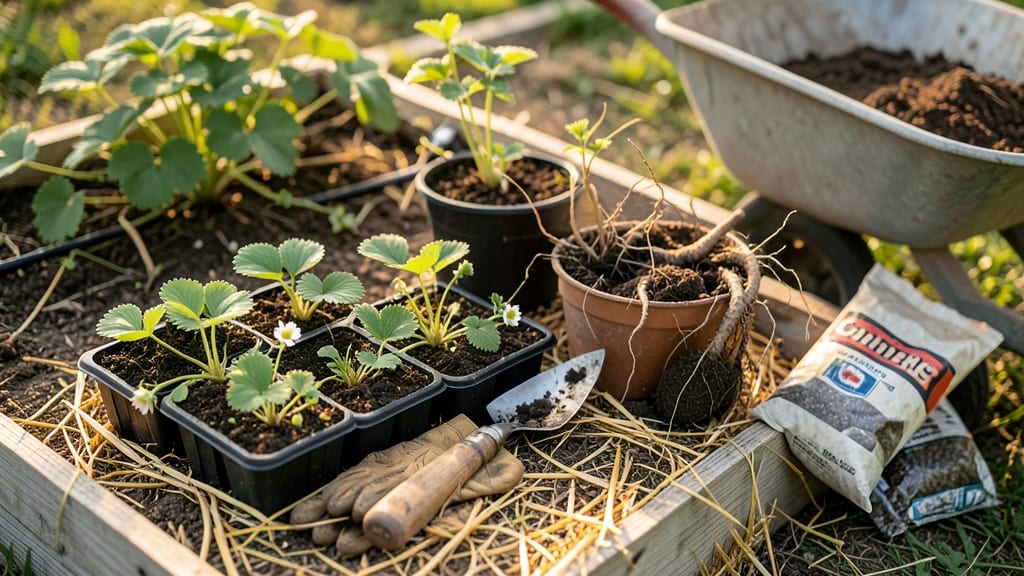
Planting strawberries in Zone 8 at the wrong time can mean the difference between a bountiful harvest of sweet 🍓 and struggling plants that barely produce. Unlike colder zones, Zone 8’s mild winters and hot summers demand precise timing—so when exactly should you get those berries in the ground?
Most gardeners in Zone 8 focus on the two best windows: early spring (February-March) or late summer/early fall (August-September). But here’s the catch—spring planting risks late frosts, while fall planting lets strawberries establish roots before summer heat hits.
I’ll break down the best months for your microclimate and how to maximize yields, whether you’re a beginner or a seasoned gardener.
You’ll also discover how to extend your growing season with simple tricks like mulching and row covers, plus the top strawberry varieties that thrive in Zone 8’s climate. No more guessing—just science-backed timing to grow bigger, sweeter berries all season long.
Ready to transform your garden? Let’s dive into the exact planting schedule that’ll have your strawberries producing like never before.
Best planting months for strawberries in Zone 8 (by season)
Zone 8 gardeners enjoy a 240-day frost-free season, giving you two prime windows to plant strawberries: early spring and late summer/fall. Each timing offers unique advantages for maximizing your harvest—whether it's juicy June berries or fall bounty before winter.
Timing matters because strawberries need 60-90 days to mature after planting. Plant too early, and they’ll bolt in summer heat. Too late, and they may not establish roots before winter. Let’s break down the exact months and why they work best in Zone 8.
| Planting Window | Ideal Months | Soil Temp | Frost Risk | Harvest Time |
|---|---|---|---|---|
| Early Spring | February-March | 50-60°F | Low (after Feb 15) | April-May |
| Late Summer/Fall | August-September | 60-70°F | Moderate (before Nov 15) | September-October |
For spring planting, aim for February-March when soil warms to 50-60°F. This gives plants time to establish roots before summer heat. I’ve found that planting in late February (after last frost) yields the most robust early-season berries.
Fall planting in August-September is my favorite trick for fall harvests. The cooler temps help roots establish while avoiding summer stress. Just be sure to plant 6-8 weeks before first frost (typically November 15 in Zone 8).
Pro tip: If you live in cooler microclimates (e.g., higher elevations), delay spring planting until March to avoid late frost damage. Use a frost blanket if planting early.
Never plant in June-July—the extreme heat causes bolting (premature flowering) and poor fruit set. Instead, focus on spring and fall for the best results.
Soil temperature is critical. Use a soil thermometer to confirm 50°F+ before planting. Cold soil slows root growth, leading to weak plants and smaller berries.
For container gardening, adjust timing slightly. Containers warm faster, so plant 1-2 weeks earlier than in-ground beds. Just ensure pots have drainage holes to prevent root rot.
Remember: June-bearing varieties (like Chandler) need chilling hours, while everbearing types (like Seascape) produce year-round. Choose wisely for your climate!
How to extend your strawberry growing season in Zone 8
Zone 8 gardeners can enjoy strawberries nearly year-round with the right tricks. While the ideal planting windows are February-March and August-September, you can push those limits by extending your season with simple techniques.
Whether you want earlier spring harvests or later fall berries, these methods help strawberries thrive outside the standard timeline.
One of my favorite ways to extend the season is using row covers or frost blankets. These lightweight fabrics protect plants from late spring frosts (which can hit as late as March 15 in cooler microclimates) and early fall frosts (as early as November 1).
Just drape them over plants before temperatures drop below 32°F, and remove them during the day to allow sunlight.
- 🌱 Use row covers to plant 2-3 weeks earlier in spring or 2 weeks later in fall.
- 🌡️ Mulch heavily with straw or wood chips to insulate roots in winter and retain moisture in summer.
- ✂️ Prune runners aggressively in late summer to redirect energy to fruit production instead of new plants.
- 💧 Drip irrigation keeps soil consistently moist, reducing stress during heatwaves.
- 🌿 Choose everbearing varieties like Seascape or Albion for year-round harvests.
For earlier spring planting, I’ve had success planting as early as January in containers (which warm faster than soil). Move pots to a protected spot like a greenhouse or under a cloche until soil warms. This gives you a 3-4 week head start on traditional in-ground planting.
In late fall, focus on mulching to protect roots from freezing. Apply a 4-6 inch layer of straw or leaves after the first frost. This insulates the soil, keeping roots alive even if tops die back. Remove mulch in early spring to let soil warm quickly.
Another game-changer? Shade cloth during summer’s peak heat. Strawberries struggle in temperatures above 90°F, but 30-50% shade cloth reduces stress and improves fruit quality. Just remove it by late August to let plants harden off for fall.
If you’re ambitious, try successive planting. Plant a small batch in February, another in August, and a third in mid-September for a staggered harvest from April through October. This works best with everbearing varieties that tolerate cooler temps.
Remember: Soil prep is key. Amend beds with compost before planting to improve drainage and fertility. Zone 8’s heavy clay soils can suffocate roots, so add organic matter to create a loose, crumbly texture.
Test your soil’s pH—strawberries thrive in 5.5-6.5. Adjust with lime or sulfur if needed.
With these tricks, you can turn your Zone 8 garden into a strawberry powerhouse, enjoying fresh berries for nearly half the year. Start small, experiment with one technique at a time, and watch your harvests grow!