
Flowers
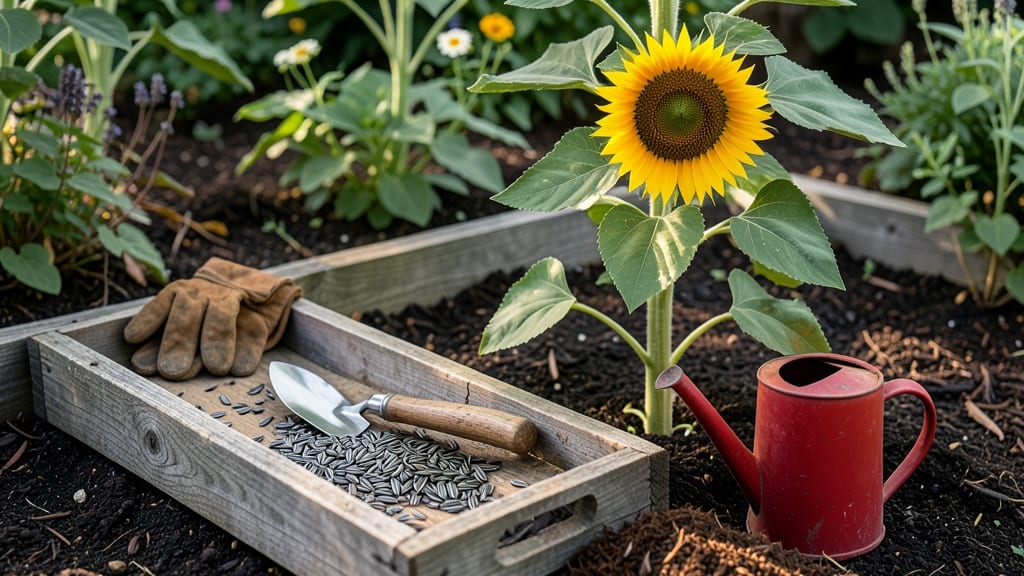
Planting sunflowers in Florida at the wrong time means watching them wilt before they ever bloom—even though these cheerful 🌻 giants can thrive year-round with the right timing.
If you’ve ever wondered why some sunflowers struggle to reach their full height or bloom too late, the answer lies in Florida’s unique climate zones. Coastal areas and inland regions have different frost-free windows, heat tolerance needs, and seasonal variations that can make or break your sunflower garden.
I’ll break down the exact planting windows for both coastal and inland Florida, including when to start seeds, how to prep your soil, and which sunflower varieties handle our heat and humidity best.
Whether you’re aiming for early spring blooms or late fall harvests, these secrets will help you grow sunflowers that stand tall and proud.
From March to May for spring planting to August to September for fall, timing is everything. Let’s get your sunflowers off to the right start so you can enjoy their radiant beauty all season long.
Florida sunflower planting schedule: coastal vs inland timing explained
Florida’s unique climate—spanning USDA Zones 8a-11—means sunflowers can grow almost year-round, but timing matters for maximizing blooms. Coastal areas like Miami stay warm year-round, while inland regions like Orlando experience hotter summers and cooler winters.
Let’s break down the optimal planting windows for both zones to ensure your sunflowers thrive.
In coastal Florida, where frost is rare, you can plant sunflowers year-round with peak success in spring (March-May) and fall (August-September). The mild winters allow for fall planting that blooms before cooler weather sets in.
Inland areas, however, should focus on spring (March-May) to avoid summer heat stress, which can stunt growth.
Here’s the key difference: Coastal sunflowers can handle fall planting for winter blooms, while inland sunflowers need spring planting to escape summer’s 100°F+ temperatures. Both regions avoid planting in June-July when intense heat and humidity slow germination.
| Region | Best Planting Window | Avoid Planting | Bloom Time | Key Consideration |
|---|---|---|---|---|
| Coastal (e.g., Miami, Key West) | March-May, August-September | June-July | May-July, October-November | Mild winters allow fall blooms |
| Inland (e.g., Orlando, Gainesville) | March-May (primary) | June-August, December | June-August (spring plant) | Avoid summer heat stress |
| North Florida (e.g., Tallahassee) | April-May, August-September | June-July, October-November | June-July, October-November | Cooler nights in fall |
For coastal gardeners, August-September planting is a hidden gem—sunflowers bloom in fall when humidity drops, reducing pest pressure and fungal diseases. Inland gardeners should prioritize spring planting to ensure strong root development before summer’s intense heat arrives.
Even in Zone 11, where frost is non-existent, summer planting (June-July) is risky due to high humidity, which can cause seed rot.
Soil temperature is your best guide. Sunflower seeds need soil at least 55°F (spring) or 60°F (fall) to germinate. Use a soil thermometer to check—coastal soils warm faster in spring, while inland soils may need black plastic mulch to reach optimal temps.
Plant seeds 1 inch deep and 6 inches apart for optimal air circulation.
Pro tip: Succession planting every 2-3 weeks in spring ensures continuous blooms from June through October. In coastal areas, a second planting in August extends blooms into November. Just remember—overcrowding leads to taller but weaker stems, so stick to spaced rows for strong, sturdy sunflowers.
Watch for heat stress signs like yellowing leaves or drooping—these mean it’s time to prov
Best sunflower varieties for Florida’s climate and when to plant them
Florida’s heat and humidity demand sunflower varieties that can handle our unique growing conditions. Not all sunflowers thrive equally here—some wilt in summer’s intensity while others struggle with humidity. The key is choosing heat-tolerant and drought-resistant varieties that align with your planting timeline.
For spring blooms, opt for varieties like 'Autumn Beauty' or 'Teddy Bear' that mature quickly (50-60 days) and handle Florida’s early heat. These varieties are perfect for March-April planting, giving you vibrant blooms by summer.
Meanwhile, fall-planted varieties like 'Russian Giant' or 'ProCut' can withstand late-season humidity and still produce impressive blooms by October.
If you’re growing sunflowers for seeds or cut flowers, 'Moulin Rouge' is a top pick—its deep red petals thrive in Florida’s heat and attract pollinators.
For container gardening, dwarf varieties like 'Sunspot' or 'Little Becka' are ideal, maturing in just 30-40 days and perfect for June-July planting when space is limited.
The right variety paired with the right timing ensures your sunflowers grow tall, strong, and disease-resistant. Coastal areas with higher humidity may benefit from faster-maturing varieties, while inland regions can handle larger, slower-growing types like 'Russian Mammoth' planted in August-September for fall harvests.
| Variety | Best Planting Time | Mature Height | Days to Bloom | Florida Suitability |
|---|---|---|---|---|
| Autumn Beauty | March-April | 3-5 ft | 50-60 days | Heat-tolerant, great for spring |
| Russian Giant | August-September | 10-14 ft | 90-120 days | Drought-resistant, fall blooms |
| Teddy Bear | March-April | 2-3 ft | 45-55 days | Dwarf, humidity-friendly |
| Moulin Rouge | June-July | 5-7 ft | 60-70 days | Heat-loving, great for seeds |
| Sunspot | June-July | 1-2 ft | 30-40 days | Container-friendly, fast-growing |
When selecting seeds, always check the days-to-maturity label to match your planting window. For example, if you plant 'Russian Giant' in early August, it will bloom by late October—perfect for fall harvests. Conversely, dwarf varieties like 'Sunspot' planted in June will give you quick blooms without overcrowding your garden.
Pro tip: Save seeds from your best-performing sunflowers for next year! Florida’s warm winters mean you can store seeds indoors and replant them in early spring without worrying about viability. Just ensure they’re fully dry before storing in a cool, dark place.
With the right variety and timing, your sunflowers will thrive year-round in Florida’s climate—whether you’re growing them for beauty, seeds, or even bird feeders. Happy planting! 🌻