
Plants
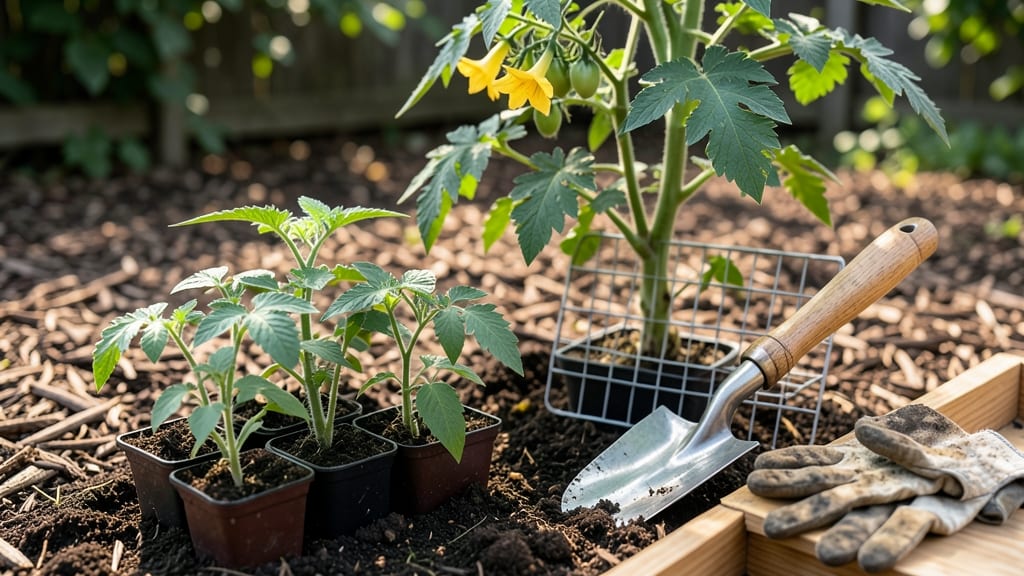
Planting tomatoes in California at the wrong time can turn your dream harvest into a wilted disappointment—especially when coastal fog and inland heat demand completely different strategies. Whether you're growing 🍅 in San Francisco's chilly mornings or the Central Valley's scorching afternoons, timing is everything.
I've learned the hard way that rushing starts in coastal areas often leads to frost damage, while waiting too long inland means missing the sweet spot for summer fruit.
The key is knowing your microclimate: coastal gardeners can start seeds as early as February, while inland growers should wait until March to avoid heat stress.
What you'll discover here are the exact planting windows for your region, plus pro tips to extend your harvest through succession planting and soil prep that California's varied climates demand. Let's get those tomato plants in the ground at the perfect moment.
From frost-free dates to heat tolerance tricks, I'll walk you through everything you need to know to maximize your yield—no more guessing games, just bountiful tomatoes from seed to table.
California tomato planting dates by region: coastal vs inland timelines
California’s diverse climate means your tomato planting schedule depends entirely on where you live. Coastal areas like San Francisco and Los Angeles have mild winters and cool summers, while inland valleys like the Central Valley and Sacramento experience hotter days and cooler nights.
Getting these dates wrong can lead to frost damage or heat stress, so let’s break it down by region.
For coastal California, where last frost dates can occur as late as January in San Francisco but average mid-February, you can start planting outdoors as early as late February.
Inland areas, however, should wait until mid-March to early April to avoid late frosts that can still hit in March. The key is aligning your planting with your local frost-free date—not just the calendar month.
Here’s where it gets tricky: coastal fog can delay soil warming, while inland heat can stress young plants if planted too early. The solution? Use soil thermometers to confirm temperatures are consistently above 55°F (13°C) before planting. This ensures roots establish quickly and avoids blossom-end rot from temperature swings.
🌱
| Factor | Coastal California (SF, LA) | Inland California (Central Valley, Sacramento) |
|---|---|---|
| Last Frost Date | Mid-February | Mid-March |
| Optimal Outdoor Planting Window | Late February - Early April | Mid-March - Early May |
| Indoor Seed Start (for Transplants) | January - February | February - March |
| Soil Temperature Requirement | 55°F+ (13°C+) | 60°F+ (16°C+) |
| Heat Stress Risk | Low (cool summers) | High (hot summers) |
| Best Varieties for Region | Early Girl, Roma, Cherry (cool-tolerant) | Celebrity, Big Beef, Heatmaster (heat-tolerant) |
| Succession Planting Window | March - June (every 2-3 weeks) | April - July (every 2-3 weeks) |
If you’re growing heirloom tomatoes, coastal gardeners can push the envelope by planting cherry varieties like Sweet 100 as early as late January under row covers to protect against lingering coastal chills.
Inland growers, however, should avoid planting before mid-April unless using shade cloth to prevent sunscald on young leaves.
One of my biggest mistakes was planting determinate tomatoes in Sacramento in early March—only to watch them bolt in the 90°F+ (32°C+) heat of May. Switching to heat-tolerant varieties like Heatmaster and adjusting my schedule to late April made all the difference.
Your local Cooperative Extension office can provide hyper-local frost data if you’re unsure.
For container gardening, coastal gardeners can start seeds indoors in January and transplant by late February, while inland containers should wait until mid-April. Containers heat up faster, so use light-colored pots and self-watering systems to prevent root stress.
🌿
Pro tip: Succession planting is your secret weapon for a continuous harvest. In coastal areas, stagger plantings every 2-3 weeks from March to June. Inland, aim for April to July to avoid the peak summer heat that can reduce fruit set.
This strategy ensures you’re always picking ripe tomatoes instead of dealing with a glut of fruit all at once.
Don’t forget that microclimates within your region can shift planting dates by 2-4 weeks. A south-facing slope in Santa Barbara might warm up enough for early planting, while a valley floor in Fresno could hold frost longer.
Always scout your garden’s sun exposure and wind patterns before committing to a schedule.
How to adjust your tomato planting schedule for California’s unique microclimates
California’s diverse climates mean your tomato planting schedule should be as flexible as your favorite gardening gloves. Whether you’re in the foggy coastal regions of San Francisco or the hot inland valleys of the Central Valley, microclimates can shift your ideal planting window by weeks.
Urban heat islands in cities like Los Angeles can add extra heat stress, while high-elevation areas like Santa Barbara may experience cooler nights. Adjusting for these variations ensures your tomato plants thrive without succumbing to heat stress or cold damage.
Start by testing your soil temperature—tomatoes need soil that’s at least 60°F (15°C) to germinate properly. Use a soil thermometer or press your finger into the soil: if it feels warm but not hot, it’s ready.
Coastal gardeners can begin indoor seed starting as early as January, while inland gardeners should wait until March to avoid early-season heat. For transplanting outdoors, coastal areas can safely plant in late February to April, while inland zones should aim for April to early May.
🌱 Key Adjustments for California Microclimates
- 🌡️ Soil Temperature: Wait until soil reaches 60°F (15°C)—cooler coastal soils may need row covers for early starts.
- 🏙️ Urban Heat Islands: Cities like LA can be 10°F hotter than rural areas; opt for heat-tolerant varieties like 'Solar Fire' or 'Heatmaster'.
- 🌊 Coastal Fog Zones: Extend your season by planting slow-growing heirlooms in January-February with frost cloth.
- 🏔️ High Elevations: Areas like Santa Barbara’s foothills may need 2-3 weeks later than coastal plains.
- 🌿 Succession Planting: Stagger plantings every 2-3 weeks to extend harvests—critical for short-season varieties.
For transplanting techniques, harden off seedlings gradually by placing them outdoors for 1-2 hours daily over a week, increasing exposure slowly. Coastal gardeners should avoid transplanting during windy or foggy days, as these conditions can stress young plants.
Inland gardeners, meanwhile, should transplant in the early morning or late afternoon to prevent heat shock. Mulching with straw or wood chips helps retain moisture and regulate soil temperature, which is especially helpful in inland heat waves.
Choosing the right tomato varieties for your microclimate can make or break your harvest. Heirloom varieties like 'Brandywine' thrive in cooler coastal areas but may struggle in the Central Valley’s heat. Instead, opt for heat-tolerant hybrids like 'Heatmaster' or 'Solar Fire' for inland zones.
If you’re in a transition zone (e.g., near the coast but with inland heat), consider semi-determinate varieties like 'Celebrity' or 'Better Boy'—they balance productivity and adaptability.
Watering strategies must also adapt to your microclimate. Coastal gardeners should water deeply but infrequently to avoid fungal diseases from persistent fog, while inland gardeners may need to water daily during heat waves.
Always water at the base of the plant in the morning to prevent blossom end rot and reduce disease risk. Drip irrigation systems are ideal for both coastal and inland gardens, as they deliver consistent moisture without wetting foliage.
Finally, keep an eye on pest and disease pressures, which vary by region. Coastal areas may battle aphids and whiteflies, while inland zones often face hornworms and bacterial spot. Rotate your planting locations yearly to break disease cycles, and use neem oil or insecticidal soap as needed.
With these microclimate adjustments, you’ll be well on your way to a bountiful tomato harvest no matter where you garden in California.
🌿