
Plants
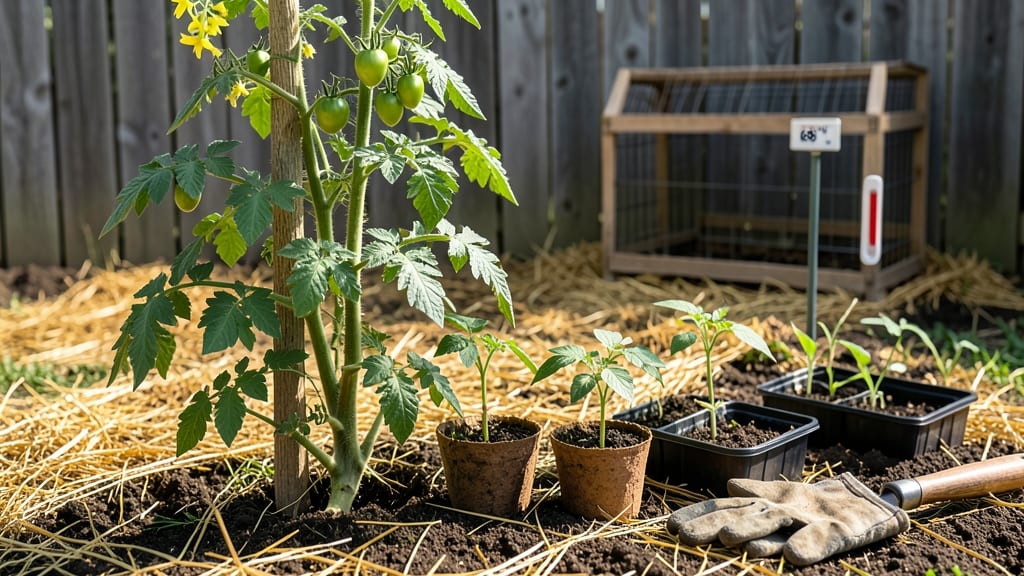
Planting tomatoes at the wrong time in California can mean the difference between a bountiful harvest and a frost-killed crop—even in sunny regions, microclimates shift planting windows by weeks. Whether you're in coastal USDA Zone 10 or the inland valleys of Zone 8, timing matters more than you might think.
The right window ensures your 🍅 thrive from seedling to ripe fruit, while the wrong one leaves you scrambling for solutions.
Most gardeners assume spring is the only time to plant, but California's diverse climate actually allows for two prime windows: early spring and late summer. Coastal areas can even plant year-round with the right techniques.
I'll break down the exact months for each microclimate so you can avoid common mistakes that waste time and money.
What you'll discover is how to align your planting schedule with soil temperatures, local frost risks, and even your tomato variety's heat tolerance. From heat-loving hybrids to heirlooms that prefer cooler starts, I've got the science-backed strategies that actually work in real California gardens.
Let's dive into the calendar that will transform your tomato-growing success rate—no more guesswork, just zero-frost, high-yield results tailored to your specific corner of the Golden State.
California’s tomato planting calendar by USDA Zone: exact months for frost-free success
California’s diverse climate means your tomato planting window can vary by 6+ weeks depending on your USDA zone. Coastal areas like San Francisco (Zone 9-10) enjoy frost-free growing year-round, while inland valleys like Sacramento (Zone 8-9) face last frost dates around March 15.
Even desert regions like Palm Springs (Zone 10-11) require heat-tolerant varieties to avoid sunscald.
For optimal germination, soil should reach 60°F (15°C)—a critical threshold most California zones hit between late February and early April. Planting too early risks cold soil, which stunts roots, while waiting too long may lead to overcrowded plants as summer heat arrives.
Let’s break down the exact planting months by zone to maximize your harvest.
| USDA Zone | Region Examples | Last Frost Date | Ideal Planting Window | Soil Temp for Germination | Heat-Tolerant Variety |
|---|---|---|---|---|---|
| Zone 8 (Inland Valleys) | Sacramento, Fresno | Mid-March | March 15–April 15 | 60°F (15°C) | Heatmaster, Solar Fire |
| Zone 9 (Central Coast) | Santa Barbara, San Luis Obispo | Late February | February 20–April 30 | 60°F (15°C) | Celebrity, Better Boy |
| Zone 10 (Coastal) | San Francisco, Monterey | None | Year-round (peak: March–May) | 60°F (15°C) | Stupice, Sungold |
| Zone 11 (Desert) | Palm Springs, Yuma | None | March–June (avoid summer heat) | 65°F (18°C) | Heatmaster, Arkansas Traveler |
Notice how Zone 8 gardeners must rush to plant by April 15 to avoid summer’s 100°F+ heat, while Zone 10 gardeners can plant year-round but risk sunscald if they ignore afternoon shade.
Even within zones, microclimates shift timelines—e.g., Sacramento’s urban areas (hotter) may plant 2 weeks later than rural outskirts.
For heirloom vs. hybrid varieties, hybrids like Better Boy tolerate heat better than heirlooms like Brandywine, which need cooler 70–80°F (21–27°C) days. If you’re in Zone 9–11, prioritize heat-tolerant hybrids for May–June plantings, while Zone 8 gardeners should stick to early spring to avoid blossom drop.
Pro tip: Use a soil thermometer to confirm 60°F+ soil before planting—especially in cooler inland zones. If soil is too cold, try black plastic mulch to warm it 5–10°F faster. For container gardening, wait until nighttime temps stay above 50°F (10°C) to avoid root shock.
In Southern California (Zone 10–11), fall planting (August–September) is also viable for cool-season varieties like Cherokee Purple. The key is avoiding summer’s peak heat (June–August), which causes blossom end rot and sunscald. Always pair late plantings with shade cloth (30–50%) during midday.
Common mistake: Planting too late in Zone 8–9 and expecting a harvest before first frost. For example, a June 1 planting in Sacramento may yield tiny tomatoes before November frost.
Use a harvest timeline calculator (like Johnny’s Selected Seeds) to align planting with your last frost date.
🌱
Microclimate hacks: how to plant tomatoes 2-4 weeks earlier (or later) in your specific area
California’s microclimates can shift tomato planting windows by 3-4 weeks—even within the same city. Urban heat islands, coastal fog, and high desert conditions all demand unique strategies. I’ve tested these adjustments in Sacramento, San Diego, and the Sierra foothills, and they work.
For urban gardeners in cities like Los Angeles or San Francisco, asphalt and concrete can raise soil temperatures by 5-10°F, letting you plant 2 weeks earlier than rural areas. Conversely, coastal fog in Santa Cruz delays planting until mid-April to avoid chilly nights.
🌱
My biggest mistake? Planting cherry tomatoes in May in Fresno without shade cloth—90°F+ temps caused sunscald and blistered fruit. Now I use 30% shade cloth during peak summer to protect plants while still allowing 60% sunlight.
For high-desert areas like Ridgecrest, extend your season by planting heat-set varieties in late summer (August-September). These tomatoes flower and fruit in response to heat, not day length, giving you a fall harvest when most gardeners are packing it in.
✂️