
Plants
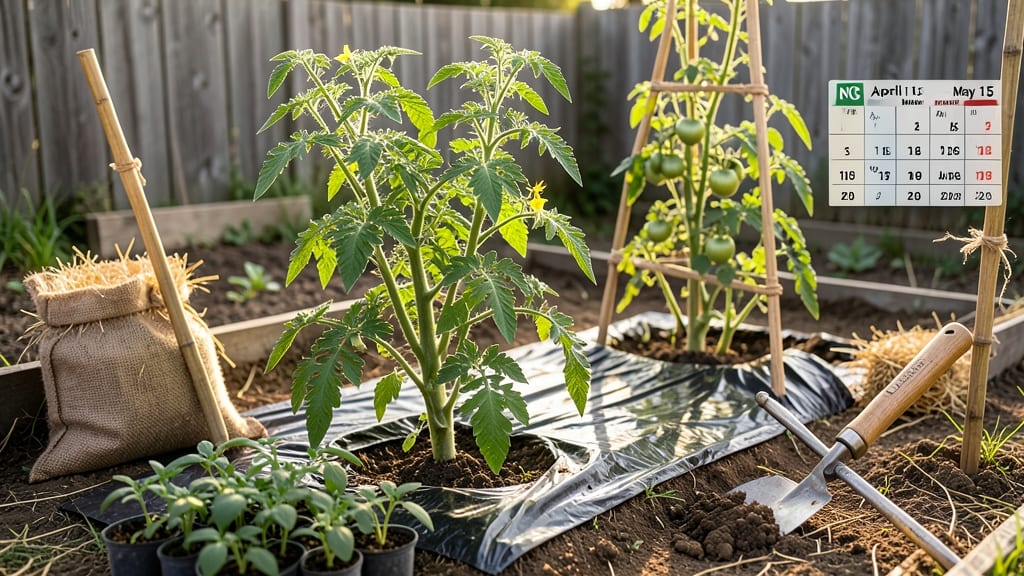
Planting tomatoes in North Carolina at the wrong time can turn your garden dreams into a sad, wilted disappointment—especially when balancing Zone 7a’s cooler springs with Zone 8b’s longer growing season.
The key to success lies in understanding your local frost dates and soil temperatures, which vary dramatically across the state.
For most North Carolina gardeners, the ideal window to plant tomatoes after the last frost is between April 15 and May 15, but timing can shift by weeks depending on whether you're in the mountains or along the coast.
The difference between a thriving 🍅 harvest and a struggling plant often comes down to these precise details.
In this guide, I’ll break down exactly when to start seeds indoors, when to transplant seedlings, and how to adjust for your specific zone. Whether you're a first-time gardener or a seasoned pro, these insights will help you maximize your tomato yield from June through October.
We’ll also cover pro tips for extending your growing season—because in North Carolina, where frost can arrive as early as mid-October in the mountains or linger into November near the coast, every extra day counts for that perfect, sun-ripened tomato.
North Carolina tomato planting calendar: exact dates by Zone 7a vs 8b
North Carolina’s diverse climate—from the cool Piedmont region (Zone 7a) to the warmer Coastal Plain (Zone 8b)—means your tomato planting timeline should shift dramatically.
In Zone 7a, where last frosts linger until mid-April, you’ll need to wait longer than in Zone 8b, where gardeners can start as early as mid-March. The key?
Aligning your planting with your average last frost date and choosing varieties that mature before the first frost hits in October or November.
For seedlings, the window is tight but flexible: April 15–May 15 in most of NC, but earlier in Zone 8b (as soon as March 20) and later in Zone 7a (closer to May 1).
If you’re starting seeds indoors, begin 6–8 weeks before your last frost—so February 15–March 1 for Zone 7a and January 20–February 15 for Zone 8b. Timing is everything, because tomatoes hate cold soil and frost.
Here’s the breakdown of your planting calendar by zone, including soil temperature and heat tolerance considerations:
Notice how Zone 8b gardeners get a 6–8 week head start compared to Zone 7a? That extra time lets you try longer-season varieties like Brandywine or Cherokee Purple, while Zone 7a growers should stick to early maturing types like Early Girl or Stupice.
Always check your local frost dates—tools like the NC State Climate Office or Almanac’s Frost Calculator can give you precise data for your county.
Pro tip: If you’re in Zone 7a and want to push your season, consider black plastic mulch to warm the soil faster.
In Zone 8b, you can even try fall planting for a second harvest—just use heat-tolerant varieties like Solar Fire and plant seeds in August for a winter harvest.
One mistake I see often? Planting too early because the air temperature feels warm, but the soil is still cold. Tomatoes need
Best tomato varieties for NC’s short vs extended seasons (Zone 7a-8b)
Choosing the right tomato varieties for North Carolina’s varied climate zones is key to avoiding disappointment. In Zone 7a, where cooler springs and shorter growing seasons dominate, you’ll want early-maturing varieties that can ripen before the first frost.
Meanwhile, Zone 8b gardeners enjoy longer summers and can experiment with heat-tolerant, long-season performers.
The difference between a 55-day cherry tomato and a 90-day beefsteak can mean the difference between a harvest in July or none at all. Let’s break down the best options for each zone, including disease-resistant picks that thrive in NC’s humidity.
| Variety | Days to Maturity | Best for Zone | Key Features |
|---|---|---|---|
| Early Girl | 52-58 days | 7a | Disease-resistant, reliable early producer |
| Sweet 100 | 55-60 days | 7a-8b | Heat-tolerant, prolific cherry tomatoes |
| Celebrity | 65-70 days | 7a-8b | Classic slicing tomato, disease-resistant |
| Arkansas Traveler | 70-75 days | 8b | Heat-resistant, great flavor, disease-tolerant |
| Brandywine | 80-90 days | 8b | Heirloom, rich flavor, needs warm season |
For Zone 7a, prioritize disease-resistant varieties like Mountain Merit or Better Boy, which handle NC’s humid summers better than heirlooms. These varieties also mature quickly, giving you a head start before summer heat sets in.
In Zone 8b, where summers are long and hot, opt for heat-tolerant varieties such as Solar Fire or Heatmaster. These tomatoes thrive in temperatures above 90°F and continue producing fruit well into September or October.
Don’t overlook dwarf or determinate varieties like Tiny Tim or Patio Princess for container gardening or small spaces. They’re perfect for patios, balconies, or even windowsills, making tomato growing accessible for everyone—no matter your garden size.
Finally, consider grafted tomatoes if you’re dealing with soil-borne diseases like fusarium wilt or verticillium wilt, which are common in NC. Grafting combines a disease-resistant rootstock with a flavorful tomato variety, giving you the best of both worlds.