
Companion Plants
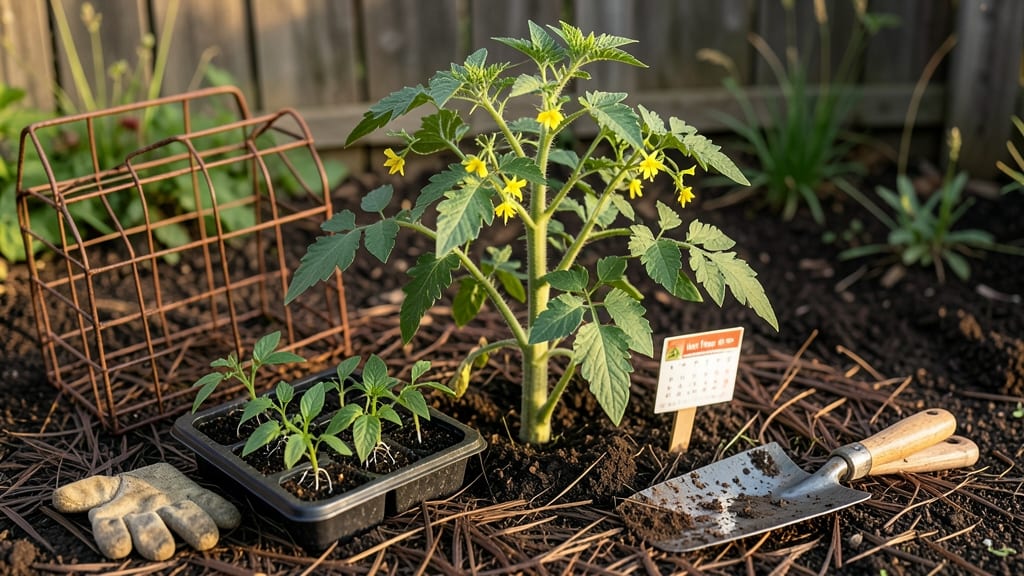
Planting tomatoes in Pennsylvania at the wrong time can mean the difference between a bountiful harvest of juicy 🍅 or a sad, frost-nipped failure.
The key isn't just waiting for spring—it's knowing when your specific zone (whether 5b or 7a) signals "go," because those 10-day windows matter more than you think.
Most gardeners in PA start seeds indoors by March 1st to give seedlings a head start, but rushing them outside before the last frost (usually around April 15th) is a recipe for disappointment.
I've learned the hard way that even heat-loving tomatoes need warm soil—55°F or higher—to thrive, and cool nights can stall growth or trigger disease.
Here's what I'll show you: the exact planting schedule for your zone, how to adjust for container gardening, and three pro tips to extend your harvest into October.
Whether you're a first-timer or a veteran gardener, these strategies will help you beat PA's unpredictable weather and grow tomatoes that actually ripen.
Let's dive into the timeline that'll have you picking tomatoes when your neighbors are still dreaming of summer—no more guesswork, just guaranteed results. The clock is ticking, and your first seedlings might already be sprouting.
PA planting zones & ideal start dates for tomatoes
Pennsylvania spans USDA zones 5b through 7a, meaning your tomato planting schedule should vary depending on where you live.
In colder northern zones like Erie (5b), you’ll need to start seeds indoors 8-10 weeks before your last frost, while warmer southern zones like Pittsburgh (6b) can begin transplanting outdoors as early as April 15.
The key is aligning your planting with your local last frost date, which typically falls between April 15 and May 15 across the state.
For indoor seed starting, my rule of thumb is to begin seeds 6-8 weeks before transplanting outdoors. In zone 5b, that means starting seeds around March 1, while zone 7a gardeners can wait until mid-March.
This timing ensures seedlings are strong enough to handle outdoor conditions by late April or early May. Using a seedling heat mat can speed up germination in cooler zones.
Here’s the critical transplant window for each zone: zone 5b (late May), zone 6a (mid-May), and zone 7a (early May). Transplanting too early risks frost damage, while waiting too long cuts your harvest short.
Always check your soil temperature—it should reach at least 55°F before planting outdoors. A soil thermometer is your best friend here!
🌱
| USDA Zone | Last Frost Date | Indoor Seed Start | Outdoor Transplant | Harvest Window | Heat Wave Tip |
|---|---|---|---|---|---|
| 5b (Erie, Scranton) | May 15 | March 1-15 (8-10 weeks before last frost) | Late May (after soil reaches 55°F) | July–September | Use shade cloth in July-August |
| 6a (State College, Harrisburg) | April 30 | March 15-30 (7-9 weeks before last frost) | Mid-May (after May 1) | June–October | Mulch heavily to retain moisture |
| 6b (Pittsburgh, Reading) | April 15 | Late March (6-8 weeks before last frost) | Early May (after April 15) | June–October | Prune suckers aggressively in heat |
| 7a (Philadelphia, Wilmington) | April 1 | Mid-March (5-7 weeks before last frost) | Early April (if using row covers) | May–November | Choose heat-tolerant varieties (e.g., 'Solar Fire') |
*Transplant only after nighttime temps stay above 50°F for 7+ days.
If you’re in zone 5b or 6a, consider using row covers or cold frames to extend your season. These tools can push your harvest window by 2-3 weeks, giving you tomatoes well into October.
For example, in Erie, you might get a second flush of tomatoes in September by protecting plants with floating row covers after early September frosts.
For container gardening, timing is even more critical since pots heat up faster. Start seeds 1-2 weeks earlier than ground planting schedules and move containers to protected microclimates (like south-facing patios) after transplanting. Containers also dry out quicker, so monitor soil moisture closely—especially in zone 7a’s hot summers.
One mistake I see often is planting too early based on calendar dates rather than soil temperature. Always check with a soil thermometer—tomatoes won’t thrive if soil is below 55°F.
Another tip: harden off seedlings for 7-10 days before transplanting to prevent shock. Gradually expose them to outdoor conditions during the day and bring them in at night.
🌿
How to extend your PA tomato season with smart timing
Pennsylvania’s short growing season doesn’t have to limit your tomato harvest. With the right techniques, you can push your last ripe tomato into October or even November—especially in zones 6b and 7a. The secret lies in combining heat-tolerant varieties, protective barriers, and strategic planting schedules.
I’ve used these methods to extend my harvest by 4-6 weeks, and you can too.
First, focus on succession planting. Instead of one big planting in spring, make 2-3 smaller plantings every 2 weeks starting in early May. This staggered approach ensures a continuous supply of tomatoes as early varieties finish and later ones take over.
For example, plant 'Early Girl' (60-day variety) in early May, followed by 'Better Boy' (75 days) in late May, and finish with 'Brandywine' (85 days) in early June.
🌱
Use Row Covers for Early & Late Protection
Floating row covers create a 2-4°F warmer microclimate and shield plants from light frosts. In zone 5b, use them to transplant 2 weeks earlier in spring. In fall, keep them on until mid-October to protect ripening fruit from early frosts.
Choose Heat-Tolerant Varieties
PA’s summer heat (often 90°F+) stresses many tomato varieties. Opt for 'Solar Fire' (heat-tolerant, 70 days), 'Heatmaster' (80 days), or 'Arkansas Traveler' (85 days). These thrive when temps hit 95°F.
Mulch Heavily to Retain Moisture
Apply 4-6 inches of straw or wood chips around plants to keep soil 5-10°F cooler during heat waves. This prevents blossom drop and improves root health. Replenish mulch every 4-6 weeks as it breaks down.
Prune Aggressively in Summer
Remove suckers and lower leaves during July-August to improve airflow and reduce heat stress. Focus on indeterminate varieties—they benefit most from pruning. Use clean, sharp pruners to avoid disease spread.
Try Cold Frames for Fall Extension
Cold frames (unheated) can add 3-4 weeks to your season. Plant late-season varieties like 'Cherokee Purple' (80 days) in early August. Remove the frame’s top during warm days to prevent overheating.
For container gardeners, timing becomes even more critical. Since pots heat up faster, move containers to shaded areas during July’s heat waves. Use self-watering containers to maintain consistent moisture, and choose dwarf varieties like 'Tiny Tim' (45 days) or 'Patio Princess' (60 days) for smaller spaces.
These compact plants ripen faster and handle heat better than standard varieties.
One pro tip I swear by is planting near reflective surfaces. Place tomato cages on light-colored gravel or a white plastic sheet to bounce extra sunlight onto plants.
This boosts photosynthesis and speeds up ripening by 5-7 days in hot zones like Philadelphia (7a). Just avoid black mulch—it absorbs heat and stresses roots.
Finally, don’t forget about vertical training. Trellising indeterminate varieties saves space and improves air circulation, reducing disease risk during humid PA summers. Use strong stakes or cages and prune regularly to keep plants focused on fruit production rather than leaf growth.
☀️