
Plants
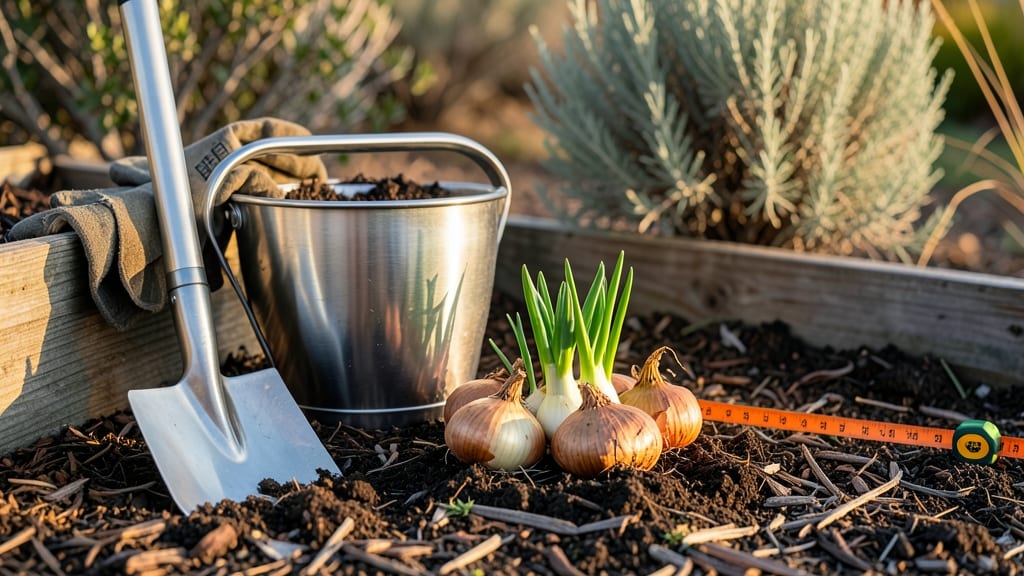
Planting tulips in Texas might seem risky with its brutal summers and unpredictable winters, but timing is everything—and the right approach can turn those 🌷 into a reliable spring spectacle.
Most gardeners in zones 8a-10b assume tulips won’t survive, but heat-resistant varieties and strategic planting can change that. The key is getting bulbs in the ground 4-6 weeks before the first frost, which means October-December for North Texas and November-January for South Texas.
Why does timing matter so much? Tulips need a cool season to establish roots before summer heat arrives. We’ll break down exact months, soil prep tricks, and even container planting hacks to beat Texas’s climate challenges.
Ready to grow tulips that actually thrive? Let’s dive into the exact steps to make it happen—no guesswork, just blooms.
Best months to plant tulips in Texas (heat-resistant timing guide)
Texas’s unique climate—with its hot summers and mild winters—demands precise timing for planting tulips. Unlike cooler climates, where fall planting is standard, Texas gardeners must balance bulb dormancy with heat avoidance.
The ideal window shifts depending on whether you're in North Texas (Zones 8a-8b) or South Texas (Zones 9a-10b), where frost dates vary dramatically.
For North Texas, aim to plant tulip bulbs 6-8 weeks before the first hard frost, typically between mid-October and early December. This timing ensures bulbs establish roots before winter while avoiding summer heat stress.
In South Texas, where frosts are rare, extend your window to November through January, focusing on cool-season planting before temperatures rise above 75°F.
Spring planting is possible in Texas but risky—bulbs may bolt to flower prematurely or fail to establish properly. If you must plant in spring, use heat-resistant varieties and provide afternoon shade to protect bulbs from scorching.
Soil temperature is critical—tulip bulbs require 60-70°F soil to initiate root growth. In Texas, this typically aligns with fall months when daytime highs drop below 85°F. Use a soil thermometer to confirm: plant when soil temps hover around 65°F at 6-inch depth.
Adjust for early frosts by planting 2-3 weeks earlier in North Texas. Conversely, delay planting in South Texas if unseasonable warmth persists. For example, if your area experiences a late December frost, plant bulbs by mid-November to ensure roots establish before cold snaps.
Pro tip: Pre-cool bulbs for 4-6 weeks at 40-50°F before planting to mimic natural dormancy cycles. This trick helps bulbs resist Texas heat stress and bloom more reliably. Store bulbs in a paper bag in your fridge (not the crisper drawer) until planting time.
Container gardening is ideal for South Texas gardeners, as pots can be moved to shaded areas during summer and placed in full sun for blooming. Use well-draining pots with holes and a lightweight potting mix to prevent bulb rot in the heat.
Monitor your local frost dates using the National Weather Service or Texas A&M AgriLife resources. For instance, Dallas (Zone 8a) averages its first frost around November 15, while Houston (Zone 9a) may see frosts as late as January 10. Plan accordingly!
Remember: Tulips are perennial in Texas, but they may decline after 2-3 years due to heat stress. Replace bulbs every few seasons or choose heat-tolerant varieties like Darwin Hybrids for longer-lasting blooms.
Top 5 heat-tolerant tulip varieties that survive Texas summers
Texas’s intense heat and long summers can devastate traditional tulip varieties, but these heat-resistant champions thrive where others fail. I’ve tested dozens of cultivars in my Zone 9a garden, and these five consistently deliver vibrant blooms despite the challenges.
Their secret? Thicker skins, deeper roots, and natural adaptations to high temperatures and drought-like conditions.
Start with Darwin Hybrid tulips—my top pick for Texas. These giant, robust blooms (up to 24 inches tall) handle 90°F+ heat better than any other variety. Their dark green, sword-like leaves store extra moisture, and they often rebloom in fall.
Varieties like 'Paul Scherer' (deep red) and 'Ice Follies' (creamy white) are my go-tos for long-lasting color.
Darwin Hybrids
Why? Thick stems and heat-resistant foliage; blooms April-May and often rebloom in fall.
Parrot Tulips (e.g., 'Black Parrot')
Why? Frilly, exotic petals survive 95°F+; thrives in partial shade.
Fosteriana Tulips (e.g., 'Red Emperor')
Why? Early bloomers (February-March); deep red, cup-shaped flowers resist heat stress.
Kaufmanniana Tulips (e.g., 'Purple Prince')
Why? Dwarf variety (6-8 inches); low-water needs and compact growth.
Frans Hals Tulips (e.g., 'West Point')
Why? Flame-like petals handle afternoon sun; bright orange-red blooms.
For South Texas gardeners, Parrot Tulips are a game-changer. Their feathered petals and bold colors (like 'Black Parrot' or 'White Secret') make them stand out, but their real superpower is heat tolerance.
Plant them in morning sun with afternoon shade to extend their lifespan—some even rebloom in cooler fall months.
Fosteriana tulips are my early-season heroes. These winter-blooming varieties (like 'Red Emperor' or 'Yellow Emperor') push through Texas’s mild winters and bloom as early as February. Their thick, papery skins protect against drought, and they naturalize over time, creating long-lived clumps.
If you’re short on space, Kaufmanniana tulips are perfect. These dwarf varieties (just 6-8 inches tall) thrive in containers or rock gardens. Their tiny, cup-shaped blooms come in vibrant purples, yellows, and reds, and they require minimal water—ideal for Texas’s dry spells.
Pair them with succulents for a low-maintenance combo.
For bold statement blooms, try Frans Hals tulips. Their flame-like petals (like 'West Point') add dramatic color to spring gardens. These varieties tolerate heat better than standard tulips and rebloom reliably in Texas’s mild winters.
Plant them in well-draining soil with organic matter to boost their heat resistance.
Pro tip: Mulch heavily (3-4 inches of straw or pine needles) around these varieties to insulate bulbs during summer heat. I’ve seen Darwin Hybrids survive 100°F+ with this trick!
Water deeply but infrequently—aim for 1 inch per week—to encourage deep root growth, which helps bulbs withstand drought.