
Plants
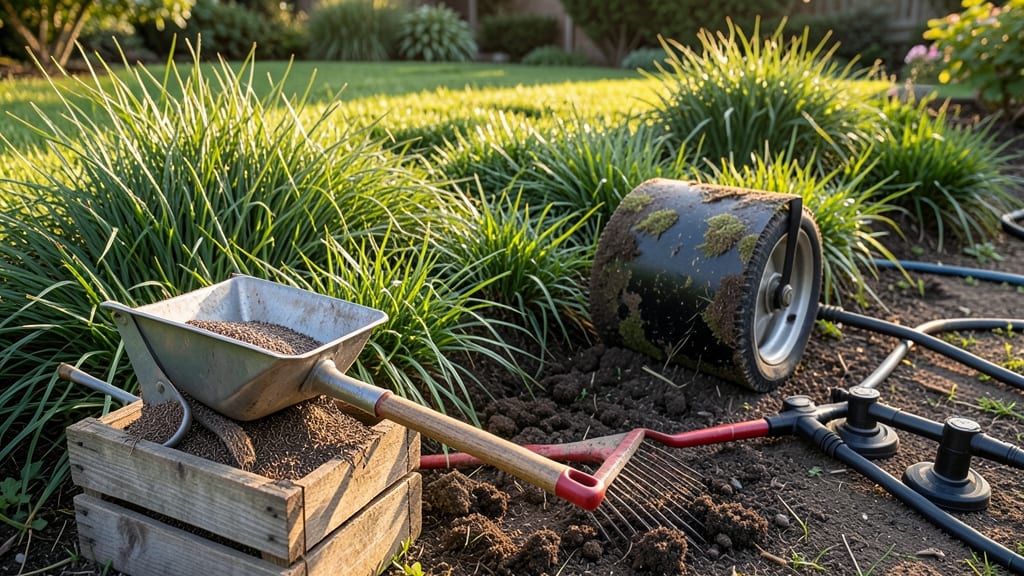
Planting grass in Pennsylvania at the wrong time can leave you staring at a yard full of weeds instead of lush 🌱—and the best window isn't just "spring" or "fall." The secret lies in soil temperatures and microclimates that vary from Pittsburgh's chilly valleys to Philadelphia's urban heat islands.
If you've ever watched your grass seeds sprout slowly or struggle to take root, timing is likely the culprit. Cool-season grasses like Kentucky Bluegrass thrive when soil hits 50°F+, while warm-season types need 65°F+—and Pennsylvania's unpredictable weather makes those thresholds tricky to nail.
Let me show you exactly when to plant for thick, vibrant results in your region.
Most gardeners focus on calendar months, but Pennsylvania's diverse zones demand a smarter approach. Whether you're in the southeastern plains or the northwestern hills, understanding your local frost patterns and soil warm-up schedule could mean the difference between a patchy lawn and a green carpet by summer.
Ready to transform your yard? I'll walk you through the ideal planting windows, soil prep secrets, and how to adjust for Pennsylvania's unpredictable climate—so you can finally stop guessing and start growing that perfect lawn.
Optimal planting windows for Pennsylvania grass: soil temperature rules
Timing your grass planting in Pennsylvania isn't just about the calendar—it's all about soil temperatures. Cool-season grasses like Kentucky Bluegrass and Tall Fescue thrive when soil hits 50°F or warmer, while warm-season varieties need 65°F+.
Pennsylvania's 6 distinct climate regions mean your neighbors might be planting weeks before or after you!
Most Pennsylvania gardeners get the best results by planting in early spring (April-May) or late summer/fall (August-September). Spring planting gives grass a full growing season before summer heat, while fall planting lets it establish roots before winter dormancy.
The key is avoiding extreme heat or frost, which stresses young seedlings.
Here's how Pennsylvania's regions differ: Southeastern PA (like Philadelphia) can plant 2-3 weeks earlier than northwestern PA (like Erie) due to warmer microclimates. High-altitude areas like Poconos may need to wait until late May for safe spring planting.
🌱
| Planting Window | Ideal Soil Temp | Pennsylvania Regions | Key Consideration |
|---|---|---|---|
| Early Spring | 50°F+ (10°C+) | Southeast (April), Northwest (May) | Avoid late frosts |
| Late Summer | 60°F+ (15°C+) | All regions (Aug-Sept) | Establish before winter |
| Fall | 55°F+ (13°C+) | Southeast (Sept), Northwest (Oct) | 6-8 weeks before frost |
| Warm-Season | 65°F+ (18°C+) | Southeast (May-June) | Southern PA only |
For cool-season grasses, aim to plant when soil temperatures consistently stay above 50°F (10°C) during the day. Use a soil thermometer to check—this is especially critical in Pittsburgh and Scranton, where spring temperatures fluctuate wildly.
In Philadelphia and Harrisburg, you can often start planting 2-3 weeks earlier than northern regions.
One common mistake is planting too early when soil is still cold. Grass seeds need warm soil to germinate properly—if you plant in chilly April in Erie, your seeds may rot before sprouting. Conversely, planting too late in fall (after first frost) leaves grass vulnerable to winter kill.
Pro tip: In high-altitude areas like State College, wait until late May for spring planting, as cooler mountain air delays soil warming. For fall planting, aim to finish by mid-October in most of PA to allow 4-6 weeks of growth before winter dormancy.
Remember that shade patterns also affect timing. Areas with partial shade (like under trees) benefit from fall planting, as summer shade keeps soil cooler longer. Full-sun areas can handle spring planting more aggressively.
🌿
To test your soil temperature, insert a thermometer 4 inches deep (where roots will grow) and check in the late afternoon. If it's below 50°F (10°C), wait another week—your grass will thank you with faster, stronger growth.
In southern PA, you might even squeeze in a warm-season grass like Bermuda in early summer, but this is risky north of Harrisburg.
For the most precise timing, check your local USDA Plant Hardiness Zone (PA ranges from 5b to 7a) and adjust accordingly. Zone 5b areas (like State College) need to wait longer than Zone 7a (like Philadelphia) for safe planting.
Cool-season vs. warm-season grass: which Pennsylvania lawns thrive when?
Pennsylvania’s diverse climate means your grass choice should match your region’s seasonal shifts. Cool-season grasses like Kentucky Bluegrass and Tall Fescue dominate here, thriving in spring and fall when temperatures hover between 50°F and 75°F.
Meanwhile, warm-season varieties like Bermuda and Zoysia are rare but can work in southern PA’s hotter zones—if planted after the last frost when soil hits 65°F+.
Most Pennsylvania lawns use cool-season blends because they stay green through mild winters and recover quickly from summer heat. Warm-season grasses, however, go dormant in fall and need earlier planting to establish before summer’s peak.
The wrong choice can leave you with a brown, patchy lawn when your neighbors’ yards stay lush.
Here’s how the two types stack up for Pennsylvania’s six distinct regions—from Philadelphia’s urban heat to the Allegheny Mountains’ cooler microclimates:
| Grass Type | Best PA Regions | Planting Window | Soil Temp Threshold | Key Advantage |
|---|---|---|---|---|
| Kentucky Bluegrass | Southeast, Central | Early spring (April) or fall (Sept) | 50°F+ | Recovers fast from foot traffic |
| Tall Fescue | Northwest, Mountains | Late spring (May) or early fall (Aug) | 45°F+ | Drought-resistant, shade-tolerant |
| Bermuda | Southeast (heat zones) | Late spring (June) | 65°F+ | Heat-tolerant, stays green in summer |
| Zoysia | Southeast (limited) | Early summer (May) | 60°F+ | Low-maintenance, dense growth |
If you’re in Philadelphia or the Lehigh Valley, cool-season grasses like Kentucky Bluegrass will give you the best year-round color. But if you’re in Pittsburgh or the Poconos, Tall Fescue’s cold hardiness and drought resistance make it the smarter pick.
For southern PA’s extreme heat, Bermuda can outperform traditional grasses—though it requires earlier planting to beat the summer heat.
Pro tip: Mix cool-season grasses for a lawn that stays green longer. For example, pairing Kentucky Bluegrass with Fine Fescue gives you disease resistance and shade tolerance—perfect for Pennsylvania’s variable weather.
Always check your seed bag for regional recommendations, as some blends are optimized for PA’s USDA Zones 5-7.
Remember, warm-season grasses like Bermuda need 6+ hours of sun daily, while cool-season types tolerate partial shade. If your yard has shady spots, stick with Tall Fescue or Perennial Ryegrass—they’ll outperform sun-lovers in low-light areas.
The wrong grass in the wrong spot leads to thin, weak growth and more weeds.