
Plants
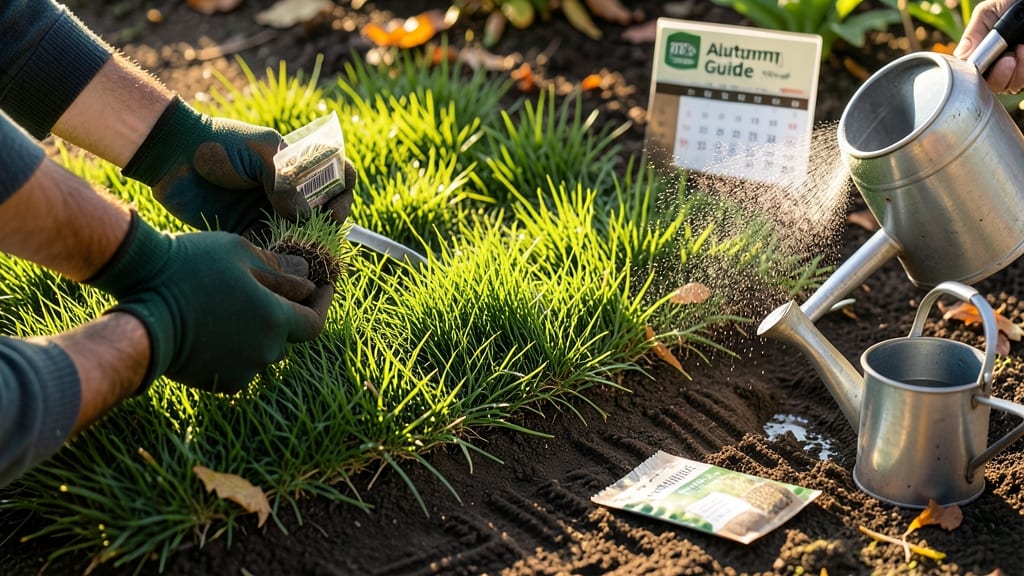
Timing your fall grass planting just right can mean the difference between a lush, green lawn next spring and a patchy, struggling yard. Cool-season grasses like fescue and ryegrass thrive when planted 4-6 weeks before the first frost, but many gardeners miss this critical window.
Why does this matter? Fall planting gives grass roots time to establish before winter dormancy, so they’re ready to explode with growth when spring arrives. In USDA Zone 6a, that means aiming for late September to early October—when temperatures stay mild and weeds are less aggressive.
I’ve seen firsthand how a well-timed fall planting can transform a lawn from sparse to vibrant, and it’s not just about the calendar. Soil prep, seed selection, and even watering habits play a role. Let’s break down the best practices to ensure your grass takes hold strong and grows thick.
From choosing the right seed blend to avoiding common pitfalls, I’ll walk you through every step so you can confidently plant your 🌱 Grass (Turfgrass) for a head start on next year’s lawn.
The Ideal fall planting window for cool-season grass types
Cool-season grasses like Kentucky bluegrass, tall fescue, and perennial ryegrass thrive when planted in fall, but the exact timing depends on your USDA zone and local climate.
The primary planting window is 4-6 weeks before your first frost date, giving grass roots time to establish before winter dormancy. For most regions, this means late August through mid-October, with September being the sweet spot.
In northern climates (Zones 3-5), aim for early September to avoid early frosts. Southern regions (Zones 6-8) can extend planting into late October, but avoid planting too close to winter—grass needs 6-8 weeks of warm soil to germinate and root.
Check your local frost dates (like October 15 in Zone 6a) to plan accordingly.
Daylight length also plays a role. Cool-season grasses grow best with 10-12 hours of daylight, which aligns with September’s balance of warmth and light.
Planting in late fall (after October 15) risks weak growth before winter sets in, but a light frost won’t harm established roots—just delay spring green-up.
Regional adjustments matter: In dry climates, plant earlier (August) to capitalize on fall rains. In humid zones, wait until late September to avoid fungal diseases. Always choose seed blends labeled for your region—they’re bred for local conditions.
Here’s how temperature affects timing: - Soil temp (60-75°F): Ideal for germination (aim for September in most areas). - Air temp (50-70°F): Supports root growth without stress. - Below 50°F: Growth slows; avoid planting if nights dip below this.
Missed the window? You can still plant 6-8 weeks before frost, but expect slower establishment. For example, if your frost date is November 1, plant by September 15 for best results. Late plantings may need extra care (like winter mulch) to survive.
Pro Tip: Use a seed germination calculator (like those from your state extension office) to pinpoint your exact window. For instance, in Zone 7, September 1-15 is prime time.
| Grass Type | Best Planting Window | Climate Notes | Root Establishment Time |
|---|---|---|---|
| Kentucky Bluegrass | Late Aug - Mid Oct | Needs warm soil; avoid late fall | 6-8 weeks |
| Tall Fescue | Early Sept - Late Oct | Drought-tolerant; plant early in dry zones | 5-7 weeks |
| Perennial Ryegrass | Mid Sept - Early Nov | Fast germinator; good for late plantings | 3-5 weeks |
| Fine Fescue | Late Aug - Mid Oct | Shade-tolerant; plant early in humid areas | 7-9 weeks |
Why does timing matter so much? Grass planted in fall benefits from cooler air and warmer soil, which reduce water stress and weed competition. Roots grow deeper before winter, making spring green-up faster and denser.
For example, tall fescue planted in September can establish 50% more roots than spring plantings.
If you’re in a transition zone (Zones 6-7), split your planting: 50% in September and 50% in October to hedge against unpredictable weather. Use starter fertilizer with phosphorus to boost root growth during this critical window.
Avoid planting if soil temps drop below 50°F—grass seeds won’t germinate in cold soil.
Remember: Late fall plantings (after October 15) are riskier but can work if you use winter mulch and protect seedlings from frost. In Zone 5, for instance, planting by September 15 ensures roots harden off before November frosts.
Always prioritize root establishment over speed—your lawn will thank you next spring.
The Ideal fall planting window for cool-season grass types
Cool-season grasses like Kentucky bluegrass, tall fescue, and ryegrass thrive when planted in the fall because cooler temperatures reduce stress and encourage strong root growth before winter.
The primary planting window is 4-6 weeks before your first frost date, typically mid-September to early October in most U.S. regions. This timing allows grass to establish roots while avoiding the heat of summer or the dormancy of winter.
If you miss the primary window, a secondary window exists in late October to early November, but success depends on your climate.
In warmer southern zones (8+), you can plant as late as November, while northern zones (5 or below) should aim for August to mid-September to avoid early frosts. Always check your local USDA hardiness zone for precision.
| Region | Primary Window | Secondary Window | Key Consideration |
|---|---|---|---|
| Northern (Zones 3-5) | August 15 - September 15 | Late September - October 5 | Avoid early frosts; soil temps should stay above 50°F. |
| Mid-Atlantic (Zones 6-7) | September 1 - October 15 | October 16 - November 10 | Ideal soil temp: 60-70°F for germination. |
| Southern (Zones 8-10) | September 15 - October 31 | November 1 - December 15 | Watch for late-season heat; irrigate if dry. |
Daylight length also plays a role. Cool-season grasses need 10-12 hours of daylight to germinate effectively. Planting too late in fall (when days shorten) can slow growth. For example, if your area gets fewer than 10 hours of daylight by late October, prioritize the primary window for best results.
Another critical factor is soil temperature. Grass seeds germinate best when soil is between 60-75°F. Use a soil thermometer to check—if temps drop below 50°F, delay planting until conditions improve.
Warmer soils speed up germination, but cooler temps (like those in late September) help roots establish deeper before winter.
Pro tip: If you’re in a transition zone (7-8), consider late August planting to beat summer heat while still allowing root growth before frost. Just be prepared to water deeply to compensate for warmer air temperatures.
The goal is to give your grass 4-6 weeks of growth before the ground freezes.
Timing isn’t just about the calendar—it’s about weather patterns. Check your local 10-day forecast for stable temps and minimal rain during the first 2 weeks after planting.
Consistent moisture is key for germination, but soggy soil can drown seeds. Aim for 1 inch of water per week, either from rain or irrigation.