
Plants
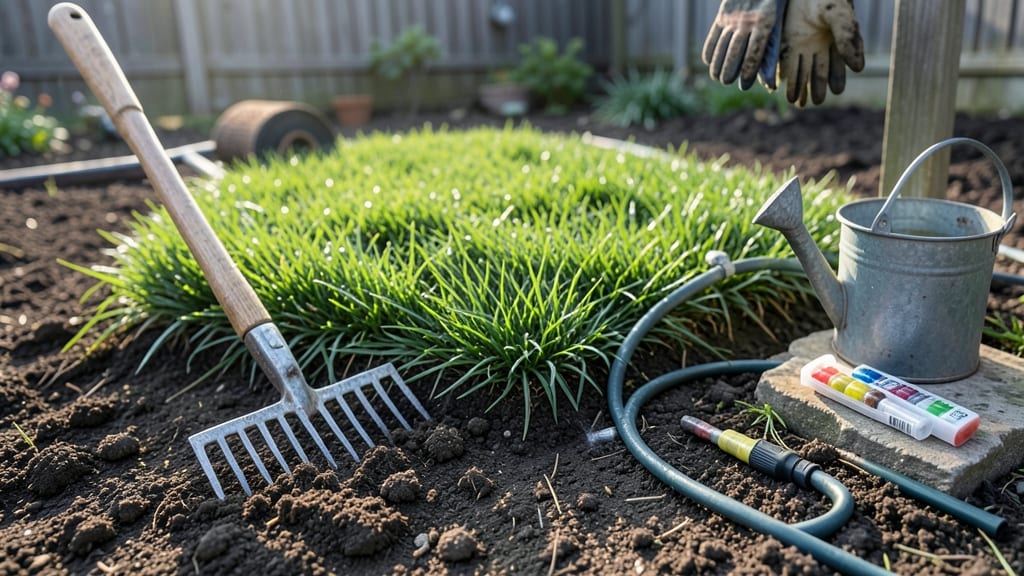
Planting grass seed at the wrong time in Illinois can leave your lawn thin, patchy, or struggling to survive harsh winters—so timing is everything for a lush, 🌱 resilient yard.
The key to a thick, green lawn lies in understanding when your region's soil is just right for those tiny seeds to take root.
Most Illinois gardeners swear by early fall planting, but did you know spring can also work—if you get it just right? The difference between success and failure often comes down to soil temperature and weather patterns that vary dramatically between northern and southern Illinois.
In this guide, I’ll break down the exact months to plant grass seed in your area, plus the critical signs your soil is ready (beyond just checking a calendar). Whether you’re dealing with cooler northern climates or milder southern zones, these insights will help you avoid common mistakes.
Ready to transform your yard into a vibrant, weed-free carpet? Let’s dive into the best strategies for planting grass seed that thrives in Illinois’ unique conditions.
Optimal Illinois grass seed planting months by region (northern vs southern Illinois)
Illinois' climate varies dramatically from its northern cool-temperate zones to southern warmer microclimates, making planting timing a regional game-changer. In northern Illinois (USDA zones 5a-5b), the ideal window is late August through mid-September, while southern Illinois (zones 6a-6b) offers a slightly extended window until early October.
Spring planting is possible but riskier—aim for mid-April to early May only after the last frost date (typically late April in southern Illinois, early May in the north). The key difference? Soil temperature must stay above 55°F (13°C) for 4-6 weeks post-planting to ensure germination.
Southern Illinois gardeners often enjoy a second planting window in late October, but northern regions should avoid planting after October 15th due to frost risks. This regional divide explains why some lawns thrive while others struggle—timing isn't one-size-fits-all.
Here's how the planting windows compare across Illinois' two distinct regions:
| Region | Primary Planting Window | Secondary Window (Spring) | Soil Temp Threshold | Last Safe Date |
|---|---|---|---|---|
| Northern Illinois (Chicago, Rockford) | Late August - Mid-September | Mid-April - Early May | 55°F (13°C) | October 15 |
| Southern Illinois (St. Louis, Carbondale) | Late August - Early October | Mid-April - Late April | 55°F (13°C) | October 31 |
The 6-week rule is non-negotiable: seeds need consistent warm soil for germination. Planting too early in spring risks frost damage, while late fall planting may not establish roots before winter dormancy sets in.
For northern Illinois, September 1st is often the sweet spot—cool air temperatures reduce evaporation while soil remains warm enough for root development. Southern Illinois' extended window means you can push planting later, but don't wait until November.
Pro tip: Check your local Cooperative Extension Service for hyper-local frost dates. Even within 50 miles, planting windows can shift by 1-2 weeks due to microclimates near rivers or urban heat islands.
Remember, cool-season grasses (like Kentucky bluegrass and tall fescue) dominate Illinois lawns because they thrive in these seasonal patterns. Warm-season grasses (like Bermuda) are rare here due to our cold winters.
If you're in a transition zone (like central Illinois), err on the side of earlier planting—your climate is unpredictable enough without adding timing risks. The goal is establishing 3-4 inches of root growth before winter dormancy begins.
For visual learners, track your local soil temperature using a soil thermometer—plant when it consistently reads between 60-70°F (15-21°C) during the day. This simple tool eliminates guesswork and ensures your seeds get the perfect start.
Signs your Illinois soil is ready for grass seed planting (beyond just dates)
Checking a calendar won’t tell you everything—your soil’s true readiness depends on three critical factors: temperature, moisture, and weed competition. While dates provide a general guideline, these practical indicators ensure your seeds get the perfect start, regardless of when you plant.
First, the soil temperature must stay above 55°F (13°C) for at least 4-6 weeks. Use a soil thermometer (about $10) to check 2-3 inches deep—this is where roots will grow. If your thermometer reads below 60°F (15°C), wait. Cold soil slows germination and invites disease.
Next, test moisture levels by grabbing a handful of soil. It should crumble slightly when squeezed but not fall apart—this is the ideal moisture for seedbeds. If it’s dry and powdery, water deeply 24 hours before planting. Overly soggy soil suffocates seeds and promotes rot.
Weed competition is often the silent killer of new grass. Before planting, walk your yard and note weed density. If you see more than 10-15 weeds per square foot, tackle them first with a pre-emergent herbicide (like corn gluten meal) or hand-pulling.
Weeds steal nutrients and shade out tender grass seedlings.
🌱 3 Must-Check Signs Before Planting
55°F+ (13°C+) for 4-6 weeks
Crumbles when squeezed
≤15 weeds/sq ft
Don’t overlook light conditions—your lawn needs 6-8 hours of direct sunlight daily for healthy growth. Test this by observing shadows: if your yard has long, dark shadows for more than 4 hours a day, consider shade-tolerant grasses like fine fescue or creeping red fescue.
For northern Illinois, aim to plant when daytime highs average 70°F (21°C) and nights stay above 50°F (10°C). Southern Illinois can push slightly later, but avoid planting when nighttime lows dip below 45°F (7°C)—this stresses young seedlings.
Pro tip: If you’re unsure, do the "paper towel test". Press a damp paper towel against the soil—if it stays in place for 5 seconds, moisture is perfect. Too dry? Water lightly. Too wet? Spread compost to improve drainage and wait a few days.
Remember, patience pays off. Rushing into planting when conditions aren’t ideal often leads to patchy, weak lawns. Use these signs as your green light—your future lawn will thank you with thick, vibrant growth that outcompetes weeds naturally.