
Plants
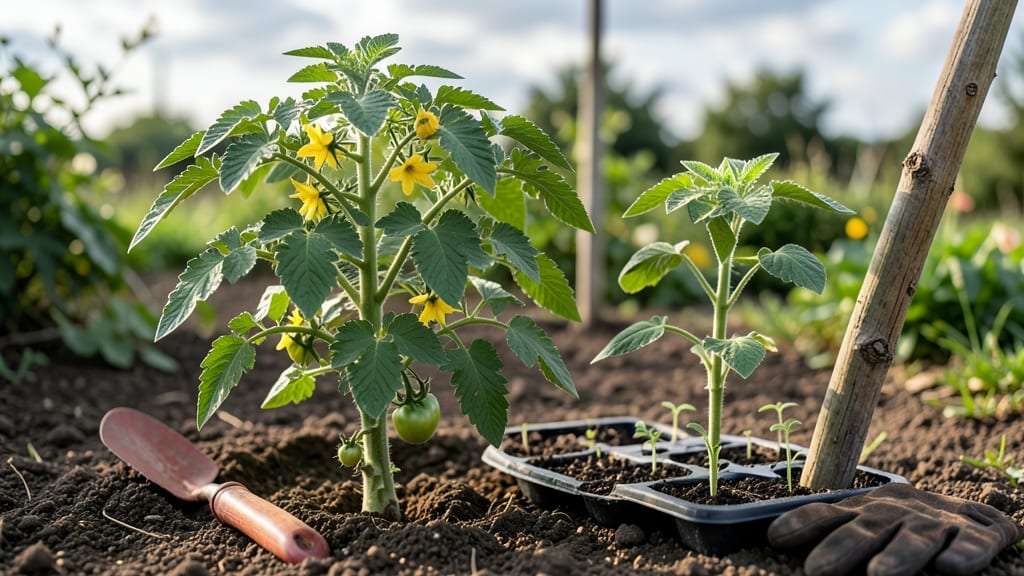
Timing when is the best time to plant the tomatoes in Ohio isn’t just about the calendar—it’s about beating frost, warming soil, and giving your plants the head start they need for a bountiful harvest.
If you plant too early, a late frost will wipe out your seedlings; too late, and your season shrinks faster than a summer squash in the heat.
Most Ohio gardeners in USDA Zone 6a aim for April 15–May 15, but the real magic happens in the 2–4 weeks before the last frost—when soil hits 60°F and nighttime temps stay above 50°F.
That’s your sweet spot for strong, frost-resistant starts, whether you’re direct-sowing or transplanting seedlings.
Here’s the game-changer: Ohio’s climate varies wildly from north to south, so your neighbor’s perfect timing might not work for you.
I’ll break down the exact weeks to plant based on your region, plus pro tips to adjust for unpredictable weather—like using row covers or cold frames to extend your season.
Ready to grow tomatoes that outperform the grocery store? Let’s dive into the best planting schedule for Ohio, so you can enjoy homegrown 🍅 from June through October without the guesswork.
Ohio’s exact last frost dates by region: when to plant tomatoes for maximum yield
Ohio’s diverse climate means last frost dates can vary by 500 miles—from late April in Cincinnati to mid-May in Cleveland. For tomatoes, this difference matters: plant too early in northern Ohio, and frost will wipe out seedlings; too late in southern Ohio, and your harvest shrinks.
The ideal window is 2-4 weeks after your average last frost date, when soil warms to 60°F.
Use Ohio State University Extension’s frost maps as your guide. Southern Ohio (USDA Zone 6b-7a) typically sees its last frost by April 15, while northern Ohio (Zone 5b-6a) often waits until May 1.
Microclimates near lakes or valleys can add 1-2 weeks of delay—always check local records.
Here’s how to translate frost dates into planting action:
| Region | Avg. Last Frost | Planting Window | Soil Temp Goal | Notes |
|---|---|---|---|---|
| Southern Ohio (Columbus, Cincinnati) | April 15 | April 29 - May 13 | 60°F+ | Warmest microclimate; early varieties can start March 15 indoors. |
| Central Ohio (Dayton, Mansfield) | April 22 | May 6 - May 20 | 60°F+ | Moderate risk of late frost; use row covers if planting early. |
| Northern Ohio (Cleveland, Toledo) | May 1 | May 15 - May 29 | 60°F+ | Cooler soils delay planting; opt for cold-hardy varieties. |
| Northeast Ohio (Akron, Youngstown) | May 8 | May 22 - June 5 | 60°F+ | Shortest growing season; prioritize fast-maturing varieties. |
For direct-sown tomatoes, wait until soil is at least 60°F—cold soil stunts roots. Test with a soil thermometer or press your finger into the ground: if it feels cool 2 inches deep, wait another week.
In containers, soil warms faster, so you can plant 1-2 weeks earlier than in-ground.
Pro tip: Start seeds indoors 6-8 weeks before your last frost date. Southern Ohio gardeners can begin March 1, while northern Ohio’s timeline pushes to April 1. Use grow lights to prevent leggy seedlings—tomatoes need 14+ hours of light daily.
If you’re transplanting seedlings, harden them off for 7-10 days before moving outdoors. Acclimate gradually by placing them in partial shade for a few hours daily, then increase exposure. This reduces transplant shock by 50%, giving your plants a stronger start.
Ohio’s first frost typically arrives October 15, but some years it comes as early as September 20. To maximize your harvest, choose early-maturing varieties (like ‘Early Girl’) or use season extenders like row covers or cold frames.
These tools can push your harvest 2-3 weeks later into fall.
Remember: Tomatoes need warmth to thrive. If nighttime temps drop below 50°F, growth slows dramatically. Use black plastic mulch or straw mulch to keep roots warm—this can add 2-3°F to soil temperature, speeding up maturity.
For real-time updates, bookmark the Ohio State Extension’s Frost/Freeze Forecast or use apps like PlantNet to track local conditions. When in doubt, wait until May 1—better to delay than risk losing your entire crop to frost.
How to adjust planting time for Ohio’s unpredictable weather: frost-proofing your tomato schedule
Ohio’s weather is famously unpredictable, with late frosts that can strike well into April or early heatwaves in May. That’s why the 2–4 week window before your region’s last frost isn’t just a guideline—it’s your safety net.
But what happens when Mother Nature throws a curveball? The key is flexibility and preparation.
First, always check the Ohio State University Extension’s frost date maps—they update annually based on local data. For most of the state, the average last frost falls between April 15 and May 1, but northern Ohio (like USDA Zone 5b) can wait until May 10–15.
If you’re in southern Ohio, you might be safe planting as early as April 1, but don’t rush.
Here’s my rule of thumb: Wait until soil temperatures hit 60°F (use a soil thermometer!) and nighttime temps stay above 50°F. Cold soil slows root growth, and chilly nights stress seedlings.
If frost is forecasted 3–5 days out, delay planting or use row covers to protect young plants.
⚠️ Frost Warning? Don’t Panic—Act Fast!
If frost is predicted within 48 hours:
- ✅ Cover seedlings with row covers or lightweight blankets (remove during the day).
- ✅ Water deeply the night before—moist soil retains heat better.
- ❌ Avoid fertilizing before frost; it stresses plants.
- ❌ Don’t bury plants in soil; it traps cold air.
For extra insurance, try these season-extending tricks:
- Black plastic mulch warms soil 5–10°F faster than bare earth.
- Cold frames can push planting back 2–3 weeks earlier in spring.
- Cloche bells protect seedlings from late frosts without smothering them.
If you’re direct-sowing seeds, wait until after May 1 in most of Ohio to avoid frost damage. For transplanting seedlings, aim for late April to early May, but have a backup plan.
I once lost a batch of seedlings to a May frost—now I always keep extra plants in 6-pack trays as backup!
Pro tip: Monitor the National Weather Service’s Ohio frost alerts and set up phone alerts for your county. When in doubt, wait one more week—your tomatoes will thank you with bigger yields and healthier plants.