
Plants
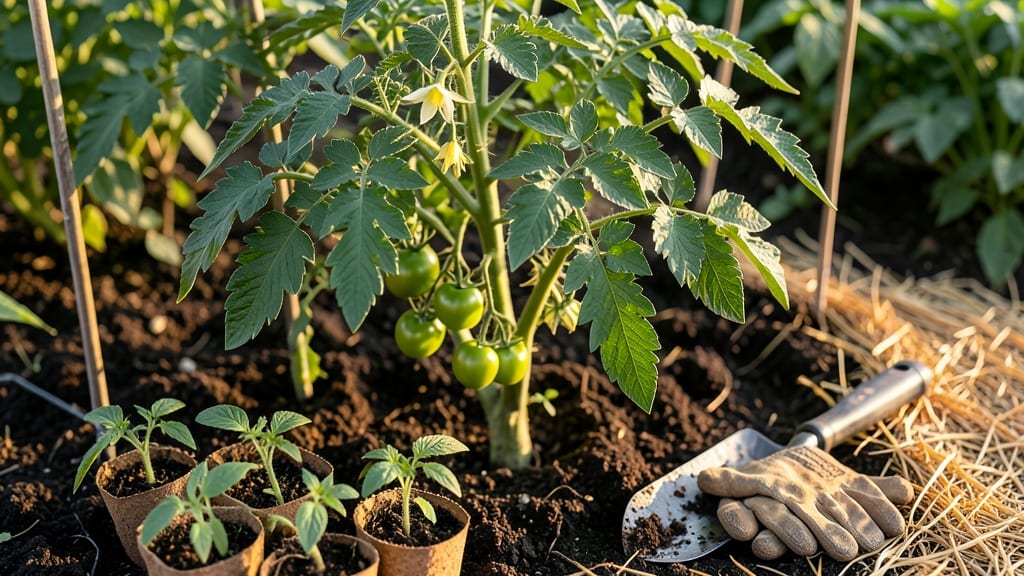
When is the best time to plant tomatoes in Texas?—it’s all about outsmarting the heat and avoiding the last frost that could wipe out your 🍅 harvest in minutes.
If you've ever watched your tomato plants wilt under 100°F sun or struggled with uneven growth, you know timing is everything. The right window means juicy, vine-ripened tomatoes all summer; the wrong one means disappointed gardeners staring at sad, stunted plants.
I've grown tomatoes across Texas's 8a-10b zones, and what works in North Texas (like Dallas) fails in South Texas (Houston). Let me show you the exact months to plant—plus heat-tolerant varieties that actually thrive in our brutal summers.
From early spring starts to fall planting hacks, this guide gives you the best schedule for your region, so you can beat the heat and enjoy a bumper crop from May to October.
Texas tomato planting calendar: exact months by region (avoid frost & heat stress)
Texas's diverse climate means North, Central, and South regions have different frost dates and optimal planting windows. Timing your tomatoes after the last frost and before scorching heat is key to a high-yield harvest.
Let’s break it down by region so you can avoid frost damage and maximize summer production.
In North Texas (Zone 8a), where cities like Dallas and Fort Worth experience harder frosts, the last average frost date is around March 15. This means mid-February to early April is your prime window for transplanting seedlings.
For Central Texas (Zone 8b), including Austin and San Antonio, the last frost typically occurs by March 1, so you can start as early as January.
South Texas (Zone 9a-10b), covering Houston and coastal areas, has the longest growing season with no frost risk after February 15. Here, you can plant as early as January and even extend harvests into late fall. The key is soil temperature—wait until it reaches at least 60°F (15°C)—not just air temperature.
🌱 Texas Tomato Planting Calendar by Region
| Region | Last Frost Date | Ideal Planting Window | Soil Temp Requirement | Heat Stress Risk |
|---|---|---|---|---|
| North Texas (Zone 8a) | March 15 | Mid-February to early April | 60°F+ (15°C+) | High (May-July) |
| Central Texas (Zone 8b) | March 1 | January to March | 60°F+ (15°C+) | Moderate (June-August) |
| South Texas (Zone 9a-10b) | February 15 | January to March | 65°F+ (18°C+) | Low (shade needed in peak summer) |
💡 Pro Tip: Use black plastic mulch to warm soil faster in early spring and shade cloths during peak summer heat.
For North Texas gardeners, planting too early risks frost damage to young seedlings. Instead, start indoor seedlings 6-8 weeks before your last frost date (around January 15) and transplant after March 15. Use row covers for extra protection if nights dip below 50°F (10°C).
In Central and South Texas, where heat arrives earlier, focus on heat-tolerant varieties and succession planting. Plant cherry tomatoes or early-maturing varieties in January for a spring harvest, then follow up with heat-resistant types in March for a summer-to-fall bounty.
One common mistake is planting too late in North Texas, which limits the growing season. Tomatoes need 60-80 days to mature, so late April plantings may not yield fruit before fall frosts. Always check variety tags for days to maturity and adjust your planting timeline accordingly.
If you’re in South Texas, you can push the envelope with fall plantings! After Labor Day, plant heat-tolerant varieties like 'Solar Fire' or 'Heatmaster' for a winter harvest. Just be ready to protect plants from unexpected cold snaps with row covers or greenhouses.
Regardless of your region, soil preparation is critical. Test your soil pH (aim for 6.0-6.8) and amend with compost or aged manure to improve drainage and fertility. Well-draining soil prevents blossom-end rot, a common issue in Texas’s alkaline soils.
Finally, monitor local weather patterns. Texas’s unpredictable heat waves and sudden storms can disrupt growth. Use a soil thermometer to check root-zone temperatures—tomatoes thrive when soil stays above 60°F (15°C). If nighttime temps drop below 50°F (10°C), protect plants with frost cloths.
With the right timing and
Texas tomato planting calendar: exact months by region (avoid frost & heat stress)
Texas’s diverse climate zones—from North Texas’s chilly winters to South Texas’s year-round warmth—mean your tomato planting window varies wildly. In North Texas (Zone 8a), like Dallas or Fort Worth, wait until mid-February to early April after the last frost (typically March 15).
Meanwhile, Central Texas (Zone 8b), including Austin and San Antonio, can start as early as January, with a last frost around March 1. South Texas (Zone 9a-10b) enjoys year-round growing potential, with ideal planting from January to March and even fall options.
Timing isn’t just about frost—it’s also about soil temperature. Tomatoes thrive when soil reaches 60°F (15°C), which usually happens by late March in North Texas and February in Central/South Texas.
Planting too early in cool soil leads to blossom-end rot or stunted growth. Use a soil thermometer to confirm readiness, especially if your spring feels unusually cold.
| Region | Last Frost | Ideal Planting Months | Soil Temp Goal | Heatwave Prep |
|---|---|---|---|---|
| North Texas (Dallas/Fort Worth) | March 15 | Mid-February to early April | 60°F (15°C) | Shade cloth for June |
| Central Texas (Austin/San Antonio) | March 1 | January to March | 60°F (15°C) | Drip irrigation + mulch |
| South Texas (Houston/Beach Areas) | February 15 | January to March + September | 65°F (18°C) for fall | Container gardening for heat |
For North Texas gardeners, consider starting transplants indoors in January to get a head start, but delay outdoor planting until after March 15.
In Central Texas, you can plant directly in the ground as early as January if you use black plastic mulch to warm the soil faster. South Texas growers have the luxury of fall planting in September for a winter harvest, but choose heat-tolerant varieties like 'Heatmaster' to avoid stress.
Don’t overlook microclimates—your backyard might be warmer than the average last-frost date. Observe nearby plants (like peach trees) for blooms, a sign spring is arriving.
If you’re unsure, err on the side of waiting 2-3 weeks past the official last-frost date to ensure safety. Heat stress is just as deadly as frost; in June and July, use shade cloth (30-50%) to protect plants from 90°F+ temperatures.
Pro tip: Succession planting every 2-3 weeks through May ensures a continuous harvest. For example, plant a batch in March, another in April, and a final one in early May to stretch your season.
This works especially well in Central and South Texas, where summer heat can overwhelm early plantings.
Remember, tomatoes are warm-season crops, so they’ll thrive in Texas’s long, hot summers—but only if planted at the right time. Avoid the May-June rush; by then, soil is already too hot for young plants.
Instead, focus on early spring and fall (for South Texas) for the best results. With the right timing, you’ll enjoy homegrown tomatoes from June to October—or even year-round in warmer zones!