
Planting
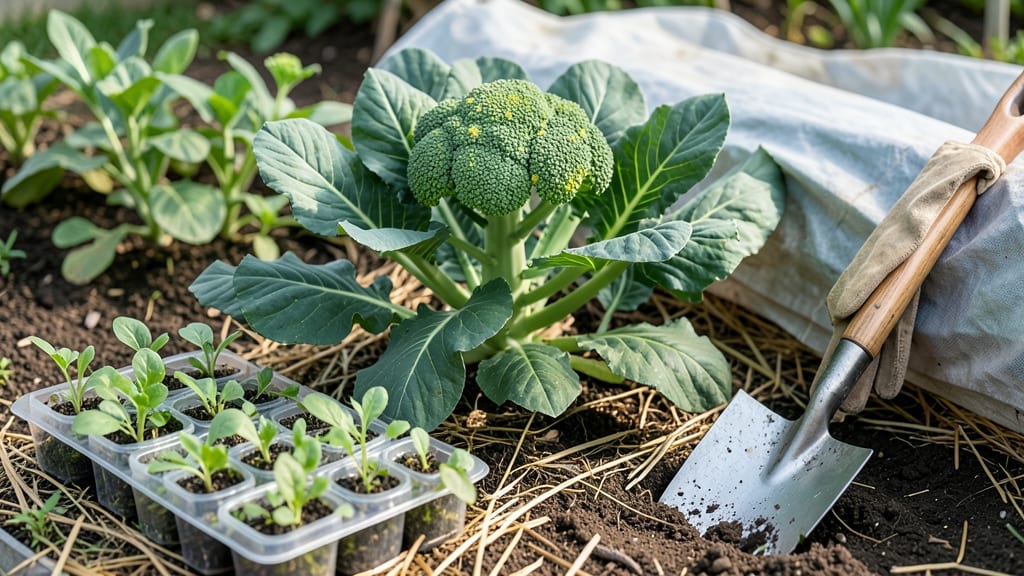
Planting your fall garden in South Texas at the wrong time can mean the difference between a bumper crop of 🥬 and wasted effort. The heat here doesn’t just fade—it lingers, and those late-summer blasts can turn tender seedlings into crispy snacks before they even get a chance to grow.
Most gardeners assume they can just follow a generic calendar, but South Texas’s 9a-10a climate throws a wrench into that plan. The key isn’t just avoiding frost (which rarely happens here) but beating the residual summer heat that clings to the soil long after the calendar says “fall.”
If you plant too early, your greens bolt; too late, and you miss the sweet spot for winter harvests.
I’ve learned the hard way—skipping the late July to early September window means struggling with stunted growth or watching your broccoli turn bitter before it matures.
But here’s the good news: with the right timing and a few local tweaks, you can grow a garden that thrives from October through December, even in this tricky climate.
Let’s break down exactly when to plant, what to avoid, and how to turn South Texas’s challenges into your garden’s biggest advantage. Trust me, your future self will thank you for getting this right the first time.
South Texas fall planting calendar: exact dates for vegetables, herbs, and flowers
Timing your South Texas fall garden correctly means starting heat-tolerant crops in late summer while saving cool-season plants for early fall.
The Rio Grande Valley (Zone 10a) has a longer growing window than the Hill Country (Zone 9a), but both regions face unique challenges like soil heat retention and unpredictable frost risks after December 15.
Your fall planting window opens in late July for fast-maturing crops like okra and sweet potatoes, while cool-season greens (kale, spinach) should wait until mid-September. Miss these windows, and you’ll either overheat seedlings or lose crops to early frost—even in Zone 10a.
🌱
| Crop Type | Ideal Planting Window | Notes for South Texas |
|---|---|---|
| Heat-Tolerant Crops | Late July - Early August | Okra, sweet potatoes, black-eyed peas. Plant before soil temps drop below 80°F. |
| Warm-Season Transition | Mid-August - Early September | Tomatoes, peppers, basil. Use shade cloth if planting after August 15. |
| Cool-Season Greens | Mid-September - Late September | Lettuce, spinach, kale. Direct sow after soil temps drop below 85°F. |
| Root Vegetables | Late August - Mid-October | Carrots, radishes, turnips. Loosen sandy soil to prevent forking. |
| Herbs & Flowers | September - October | Cilantro, parsley, marigolds. Succession plant every 3 weeks for continuous blooms. |
For Rio Grande Valley gardeners, extend your window by 2-3 weeks—plant cool-season crops as late as October 15. In the Hill Country, prioritize fast-maturing varieties and use row covers to protect against unexpected cold snaps after November 1.
Pro tip: Test your soil temperature before planting. Use a soil thermometer—ideal temps for fall crops are 70-80°F. If your soil runs hotter, wait until afternoon temps drop below 90°F to avoid seedling stress.
🌡️
Don’t forget succession planting! For example, sow radishes every 2 weeks from September to October for a steady harvest. Similarly, lettuce planted in late September will bolt by November—so follow it with spinach or kale, which handle cooler temps better.
🌱
If you’re in Zone 10a, you can even squeeze in a winter garden with cold-hardy greens like collard greens or mustard greens. Just monitor nighttime temps—if they dip below 40°F, use frost blankets to protect tender leaves.
🌿
Finally, adjust for microclimates. Areas near water bodies or urban heat islands stay warmer longer—ideal for extending your fall harvest. Conversely, elevated or windy spots cool faster, so plant heat-sensitive crops there first.
3 Critical mistakes South Texas gardeners make (and how to fix them)
If you’ve ever watched your fall seedlings wilt under South Texas’s lingering summer heat or seen your broccoli bolt before harvest, you’re not alone. The biggest mistake?
Assuming a generic planting calendar works here. Our climate is unique—heat lingers longer, and frost is rare, so the rules for other regions don’t apply.
I’ve made these errors myself: planting heat-sensitive greens too early, skipping soil prep for our sandy soils, and ignoring succession planting. Each mistake cost me time, money, and frustration—but the fixes are simple once you know them. Let’s break down the top 3 and how to avoid them.
Mistake #1: Planting heat-lovers too late. Many gardeners wait until September to plant okra or sweet potatoes, but by then, the days are shorter, and growth slows. These crops need 90+ days of heat to mature, so start them by mid-August at the latest. If you miss this window, opt for faster-maturing varieties like ‘Clemson Spineless’ okra (55 days).
⚠️ Warning: Melons After August 15?
Your cantaloupe or honeydew won’t ripen before cooler temps set in. South Texas’s shortened daylight in fall halts fruit development. If you love melons, plant ‘Athena’ cantaloupe by July 30—it matures in 75 days.
Mistake #2: Ignoring soil heat retention. Our sandy soils cool quickly at night, shocking roots. Without prep, seedlings struggle. The fix? Add 2–3 inches of compost and cover beds with black plastic mulch 2 weeks before planting. This traps heat during the day and insulates roots at night. For containers, use dark-colored pots to absorb sunlight.
Mistake #3: Skipping succession planting. Many assume one planting = one harvest, but fall gardens thrive with staggered sowings. Plant lettuce or radishes every 2 weeks from August through October to avoid glut or shortage. Pro tip: Use shade cloth (30–50%) over new seedlings to protect them from late-summer sunburn.
These fixes turn South Texas’s challenges into advantages. Heat retention extends your season, succession planting ensures continuous harvests, and early heat-lovers give you a jump on winter crops. Now you’re ready to plant with confidence—no more wasted seeds or bitter greens!